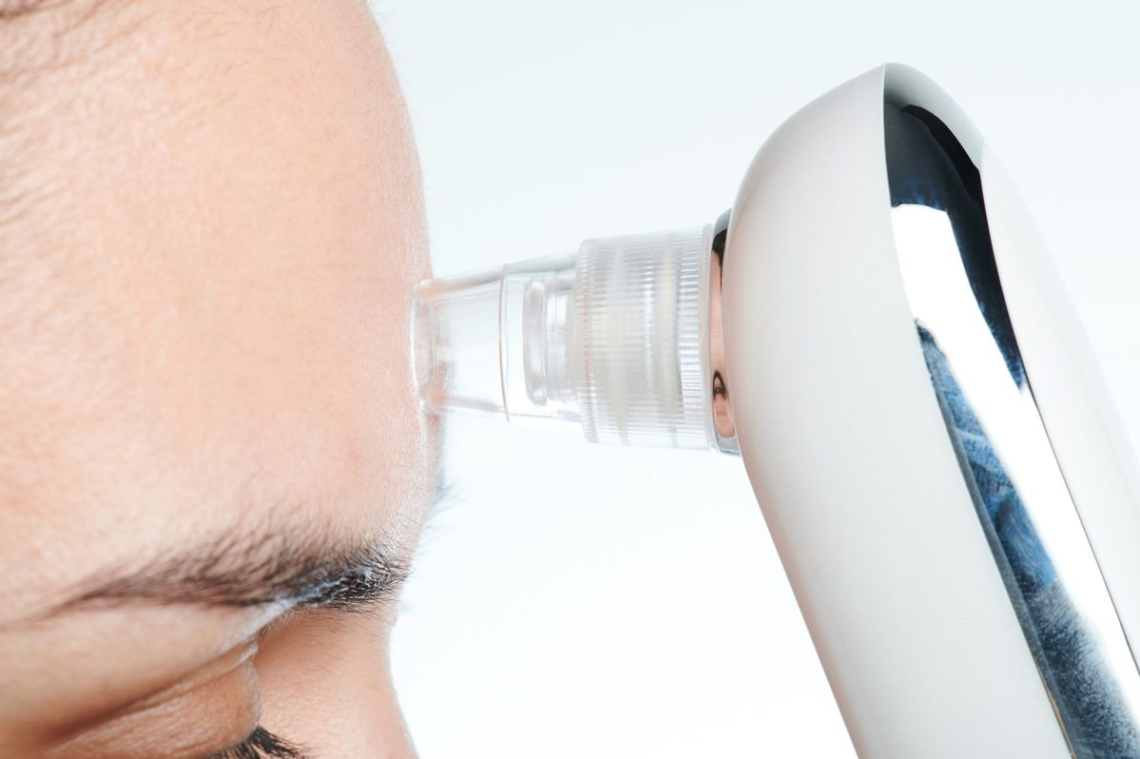
If you’ve ever scrolled through TikTok or Instagram, chances are you’ve seen those shiny little pore vacuums promising to suck every blackhead, whitehead, and stubborn gunk from your face. Sounds satisfying, right? Like, who doesn’t want clean, smooth skin in one quick swipe? But here’s the thing: as much as the idea tempts us, the truth is a bit messier. Pore vacuums can work, but they also have the potential to damage your skin if used incorrectly, or if your skin isn’t ready for that kind of treatment.
I’ve tested a couple myself, and trust me, the line between “wow, my pores are gone” and “ouch, my skin is angry” is thinner than a sheet mask. In this guide, we’ll break down how pore vacuums work, when they actually help, the risks, and safer alternatives, so you can decide if they’re worth the hype.
How Pore Vacuums Are Supposed to Work
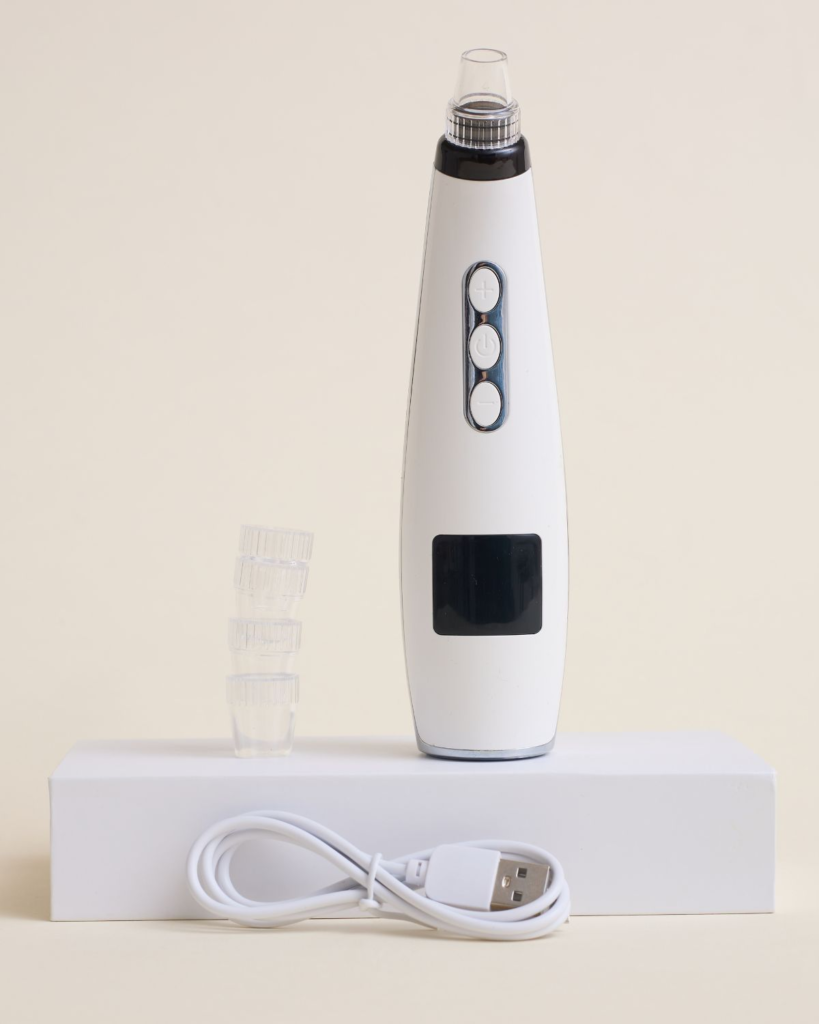
At the core, pore vacuums use suction to pull out impurities, excess oil, and dead skin cells from your pores.
- Targeted suction: Most devices have different levels, usually low, medium, and high, depending on your skin’s tolerance.
- Interchangeable heads: Some vacuums come with multiple tips for sensitive areas, blackheads, or exfoliation.
- Quick results: In theory, you see a difference immediately, fewer visible blackheads, smoother skin, and a cleaner feel.
Sounds perfect, right? The problem is, our skin is delicate, especially the thin layer on our cheeks and under eyes. A tool that’s too strong, used too often, or on the wrong skin type can tear capillaries, irritate the skin, and even worsen breakouts.
Who Can Actually Benefit From Pore Vacuums
Not everyone is doomed to disaster, though. Pore vacuums can help certain skin types, mainly:
- Oily or combination skin: People with stubborn blackheads or clogged pores may see temporary improvement.
- Mature skin with open pores: A gentle vacuum might help clear superficial debris and give a smoother appearance.
- Those who follow with proper skincare: Moisturizers, serums, and SPF after use are critical to protect your skin barrier.
FYI: Even if your skin falls into one of these categories, moderation is key. Once a week is usually enough.
Real Risks of Using Pore Vacuums
Here’s where the hype starts to crash: improper or overuse can do more harm than good.
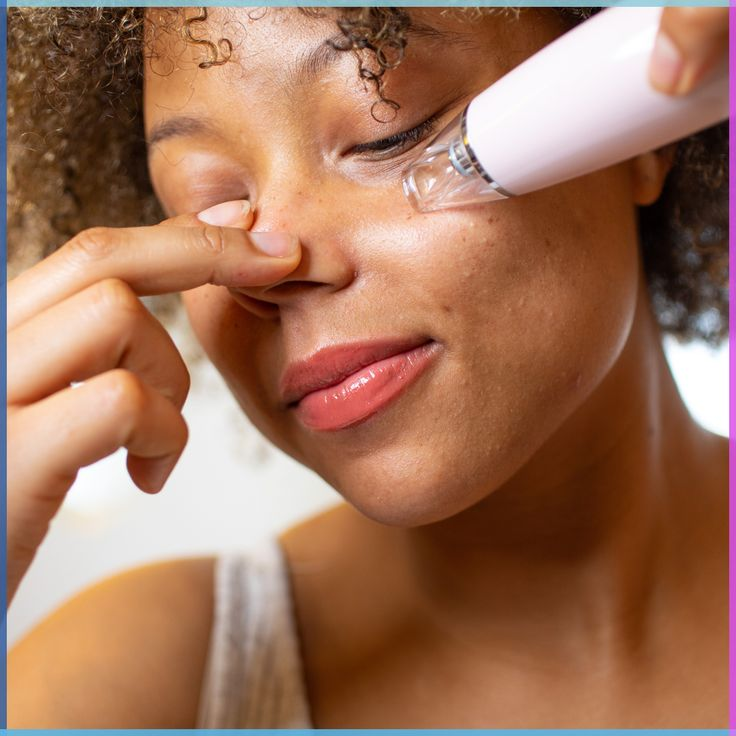
- Broken capillaries: High suction or dragging the device across the skin can burst tiny blood vessels, leaving red marks.
- Skin barrier damage: Overuse strips natural oils, leaving skin dry, sensitive, and more prone to irritation.
- Worsened breakouts: Pushing bacteria deeper into pores can trigger pimples.
- Bruising: This is surprisingly common if the device is too strong or left in one spot too long.
Pro tip: If your skin is already inflamed, sunburned, or sensitive, skip the vacuum entirely.
Popular Devices and What to Know
Let’s be real: not all pore vacuums are created equal. Some are gentler, some are basically mini leaf blowers for your nose. Here are a few examples:
- Microdermabrasion vacuums: These combine suction with exfoliation, like the PMD Personal Microderm. Great for smoothness, but intense if overused.
- Blackhead-specific vacuums: Devices like the Xpreen Pore Vacuum claim to target stubborn blackheads. They work best on oily zones and on low suction.
- Budget options: Cheaper vacuums often have too strong suction or inconsistent pressure, which can damage skin faster than they help.
Remember: even the best devices are only effective if used correctly and sparingly.
Tips for Safe Use
If you’re still tempted to try a pore vacuum, follow these rules:
- Prep your skin: Always steam your face or use a warm towel for 5–10 minutes to open pores.
- Start low: Begin with the lowest suction setting. Increase gradually if needed.
- Move constantly: Don’t leave the vacuum in one spot. Keep it gliding to avoid bruising.
- Limit frequency: Once a week is plenty for most skin types.
- Follow with care: Apply a hydrating serum or moisturizer and never skip SPF the next day.
Alternatives to Pore Vacuums
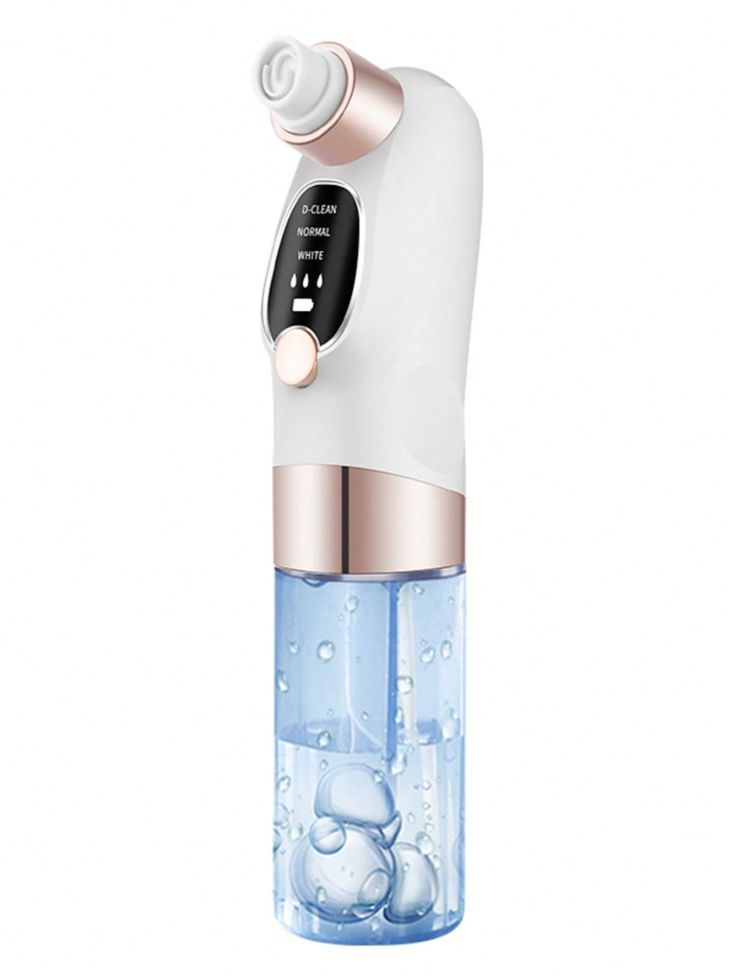
If the idea of suctioning your skin freaks you out, there are safer ways to keep pores clean:
- Chemical exfoliants: AHAs and BHAs, like Paula’s Choice 2% BHA Liquid Exfoliant, dissolve dead skin and prevent clogs.
- Clay masks: Products like Aztec Secret Indian Healing Clay absorb excess oil and draw out impurities naturally.
- Regular cleansing: A gentle cleanser twice daily, like CeraVe Hydrating Cleanser, keeps pores from becoming clogged.
- Extraction tools with caution: Only trained professionals should use metal extractors to manually remove stubborn blackheads.
These alternatives can provide smoother skin without the risk of bruising or tearing capillaries.
Personal Experience and Observations
I tried a mid-range pore vacuum a few months ago, mostly on my T-zone. After a week, my nose looked clearer, but my cheeks had faint red marks. I realized I was pressing too hard and using too high a setting. Once I adjusted my routine to lower suction and moved it more quickly, results were gentler and my skin stayed happy.
The takeaway? Even if pore vacuums show immediate results, long-term safety and skin health matter more. Temporary smoothness isn’t worth damaged capillaries or sensitive skin.
Key Takeaways
- Pore vacuums can remove dirt and blackheads, but they’re not magic.
- Overuse or high suction can damage your skin barrier, bruise, and worsen breakouts.
- Gentle, proper use, along with proper skincare after reduces risks.
- Alternatives like chemical exfoliants, clay masks, and regular cleansing often deliver safer, long-term results.
Bottom Line
Pore vacuums aren’t inherently evil, but they aren’t essential either. They can be satisfying and temporarily effective if used correctly and sparingly, but the potential risks are real. If you’re prone to sensitivity, broken capillaries, or are just nervous about suctioning your face, stick with safer options.