Bright, smooth skin does not always come from expensive products or complicated routines. Sometimes nature gives us something simple and effective, and shea butter is one of those ingredients that truly earns its place. It is rich, protective, and deeply nourishing, and it can help with rough patches, uneven texture, and even the appearance of scars.
But let’s be real. Shea butter is not perfect. It can feel heavy, it can get sticky in hot weather, and it is not always practical for every skin type or every situation. It works best when you understand what it actually is, which is a protective occlusive that seals moisture in and shields the skin. Used strategically, it can transform the skin beautifully, but it is all about knowing when, where, and how to apply it.
Let’s get into why it works, how it supports smoother skin, and the best way to use it without feeling greasy or overwhelmed.
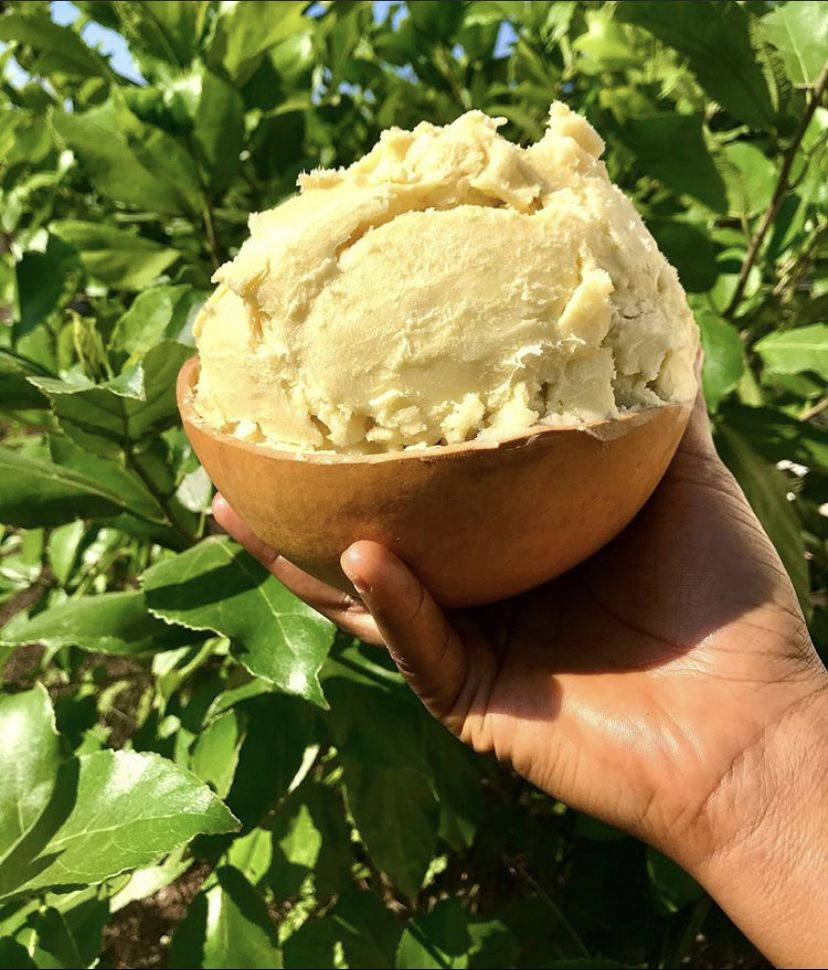
What Is Shea Butter?
Shea butter comes from the nuts of the karité tree, mostly found in West Africa. It’s rich, creamy, and packed with nutrients that your skin actually loves. Unlike some trendy oils that feel nice but don’t do much, shea butter is a real workhorse. It contains:
- Vitamins A and E – support skin repair and regeneration.
- Fatty acids – deeply nourish and hydrate.
- Anti-inflammatory compounds – help calm irritation and redness.
Think of it as a mini spa treatment every time you apply it. And FYI, the unrefined stuff smells like warm, earthy heaven.
Why Shea Butter Helps With Skin Texture
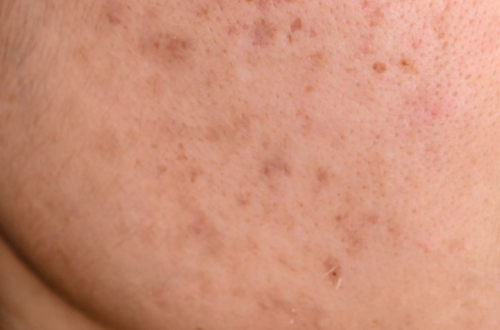
Skin texture can get rough or uneven for a bunch of reasons, dryness, scarring, sun damage, or just plain genetics. Shea butter tackles this from multiple angles:
Deep Hydration
Shea butter is ultra-moisturizing, which helps soften dry patches and smooth out bumps. When skin stays hydrated, it looks plump, healthy, and even more radiant. Shea butter actually penetrates and locks in moisture, so your skin isn’t constantly craving hydration.
Supports Skin Repair
Thanks to its vitamins and fatty acids, shea butter helps your skin repair itself naturally. Over time, consistent use can reduce roughness and improve overall texture, leaving your skin feeling soft and balanced.
Gentle Exfoliation Effect
It might sound weird, but shea butter can subtly support cell turnover. By keeping skin moisturized, it encourages your natural shedding process, so dull, dead cells don’t stick around to make skin look uneven.
How Shea Butter Helps With Scars
Scars are tricky, and there’s no magic overnight fix. But shea butter offers a gentle, natural way to improve their appearance over time.
Promotes Healing
Vitamins A and E are essential for skin regeneration. Shea butter nourishes the skin and encourages the formation of healthy new tissue. Over weeks and months, scars can appear less red, flatter, and softer.
Reduces Inflammation
If your scars are still healing or you have raised scars, shea butter’s anti-inflammatory properties help calm redness and irritation. This makes the area feel comfortable and less noticeable.
Improves Elasticity
Regular use of shea butter can improve the elasticity of your skin, which helps scars blend more seamlessly with surrounding skin. Elastic skin stretches and moves better, so scars don’t feel as stiff or prominent.
How to Use Shea Butter for Best Results
1. Pick the Right Shea Butter
Go for unrefined or raw shea butter. It retains all the nutrients and natural goodness your skin craves. Refined versions lose a lot of their healing compounds, so you won’t get the same results.
2. Apply on Slightly Damp Skin
Applying shea butter to skin that’s slightly damp helps lock in hydration. You can use it after a shower or spritz your face with water before applying.
3. Massage It In
Don’t just slap it on. Gently massage it into your skin, especially over scars or rough patches. This not only helps absorption but also improves circulation, which supports healing.
4. Use Consistently
Consistency is key. Shea butter works slowly but effectively. Apply once or twice daily, depending on your skin’s needs. You’ll notice smoother, softer skin over time.
5. Mix With Other Ingredients (Optional)
If you want to boost the effects, you can mix shea butter with:
- Rosehip oil – for extra scar healing
- Vitamin E oil – enhances antioxidant support
- Aloe vera – adds cooling, soothing benefits
When to Avoid Overdoing It
Shea butter is generally safe for most skin types, but a few things to keep in mind:
- Acne-prone skin: Pure shea butter can feel heavy. Patch test or mix with a lighter oil.
- Allergies: Rare, but some people might react. Test on a small area first.
- Over-application: A little goes a long way. Too much can feel greasy and clog pores.
Shea Butter and Different Skin Types
Dry Skin
Dry skin LOVES shea butter. It’s like a drink of water for your skin, sealing in moisture and softening rough patches.
Oily Skin
You can still use shea butter, but apply sparingly and focus on areas that are drier, like under the eyes or around the mouth.
Sensitive Skin
Unrefined shea butter is gentle and usually non-irritating. It can calm redness and support healing without harsh chemicals.
Tips for Maximizing Results
- Be patient: Natural ingredients work gradually. Daily use is key.
- Combine with SPF: Protecting your skin from the sun ensures scars don’t darken.
- Keep skin exfoliated: Gentle exfoliation helps shea butter penetrate better.
My Personal Experience
I’ve used shea butter on scars from acne and minor cuts, I even use shea butter (and olive Oil) for stretcmarks and I’ve seen a noticeable difference in texture and softness. The key is consistency and patience, it’s not instant, but it’s worth it.
Conclusion
Shea butter isn’t just a moisturizer; it’s a multi-tasking natural occlusive protective powerhouse that can improve skin texture, calm inflammation, and help scars fade over time. Whether you have rough patches, dry spots, or stubborn marks, it’s a simple, natural solution worth trying. Start with small amounts, be consistent, and watch your skin transform.