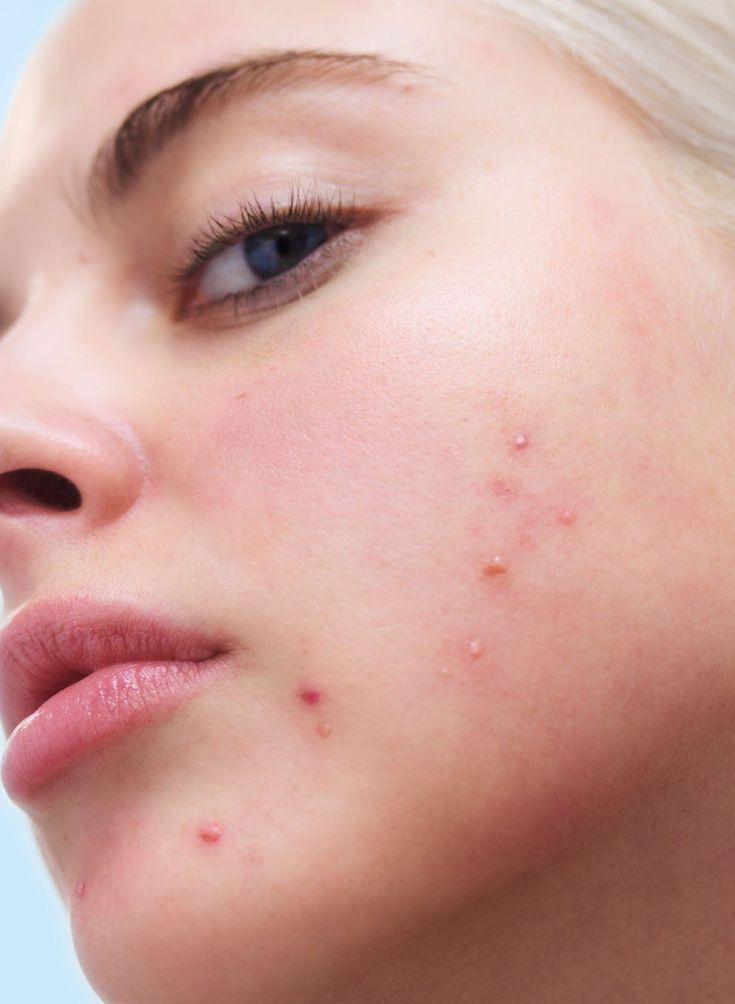
So I’ve had pimples in the past. Nothing extreme, just a few here and there, especially when my hormones decided to misbehave. And as a retired pimple popper, I always wondered why everyone kept telling me to stop popping my pimples. Like… do you want that mess to just sit on my face and vibe?
Before the rise of pimple patches, popping was how I survived. Honestly, it never felt like an issue for me. I popped, it went down, and a few days later it disappeared. No drama. No scars. So naturally, I couldn’t understand why people were so aggressively against it.
But curiosity got the best of me. I started asking questions. I did a little research. And that’s when things clicked. I realized that most people, especially those who are acne prone, deal with way more serious after effects than I ever did. Dark spots. Scars. Inflammation that refuses to calm down.
That realization made me pause. It made me empathetic enough to actually listen, understand, learn, research, and come up with better solutions and advice instead of just saying “it worked for me.” And what I found out during that process is exactly what we’re about to talk about.
So let’s get into what actually happens to your skin when you pop your pimples.
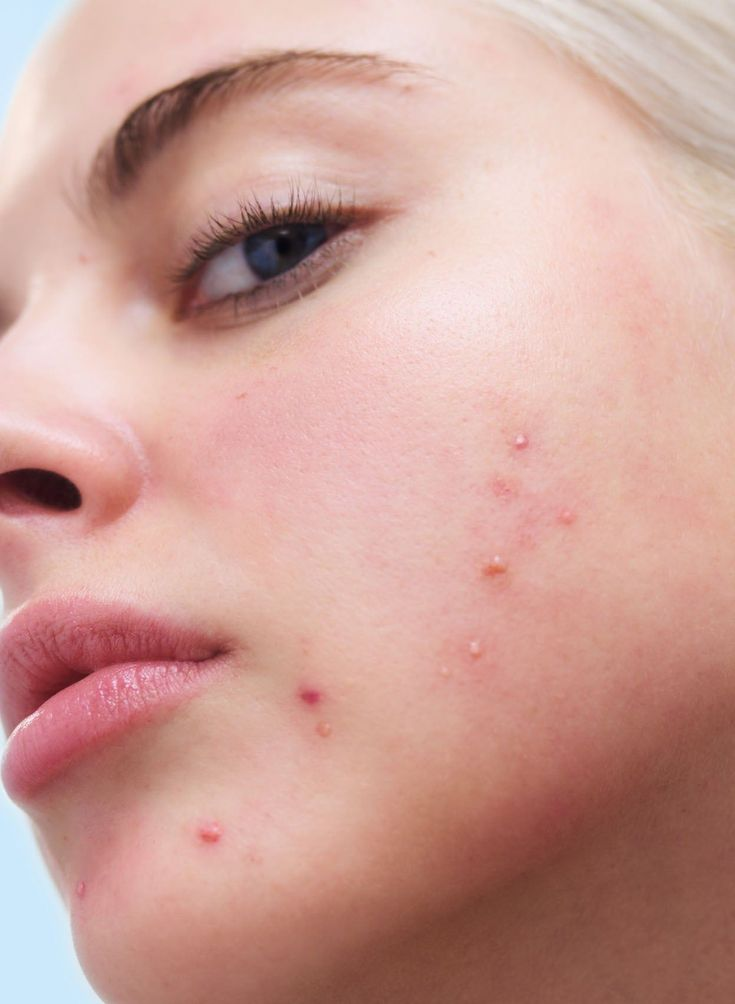
Why Popping Pimples Feels So Satisfying
Let’s be honest. Popping a pimple feels weirdly rewarding. That pressure release. That instant flattening. That “I fixed it” feeling. You see the gunk come out and your brain goes, problem solved.
But your skin does not share that enthusiasm. At all.
When you pop a pimple, you apply force to an inflamed pore that already struggles. Instead of helping, you usually push bacteria deeper into the skin. That turns a small issue into a bigger one. Ever popped one and watched it come back angrier the next day? Yeah. That’s why.
FYI, the relief you feel stays temporary. The damage can last way longer.
What’s Actually Inside a Pimple
Understanding what lives inside a pimple changes how you see popping.
A pimple contains:
- Trapped oil
- Dead skin cells
- Bacteria
- Inflammation fluid
When you squeeze it, you don’t just release the surface content. You rupture the pore wall underneath. That rupture spreads bacteria into surrounding skin, which increases inflammation.
Your skin then treats that area like an injury. Because it is one.
The Immediate Effects of Popping Pimples
Right after you pop a pimple, your skin reacts fast.
You may notice:
- Redness
- Swelling
- Stinging or pain
- A small open wound
Your body sends immune cells to fix the damage. That sounds helpful, but inflammation delays healing. This delay explains why popped pimples often take longer to disappear than untouched ones.
Ever wondered why some pimples flatten overnight while popped ones linger for weeks? This explains it.
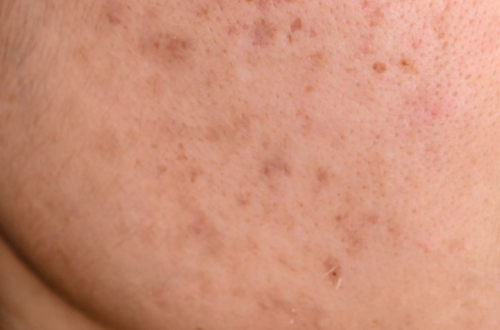
How Popping Pimples Leads to Dark Spots
This part hits harder if you have melanin rich skin.
When you pop a pimple, you trigger inflammation. Your skin responds by producing more melanin in that area. That response causes post inflammatory hyperpigmentation.
In simple terms, the pimple leaves, but the dark mark stays.
Dark spots from popped pimples can last:
- Weeks
- Months
- Sometimes longer without treatment
IMO, this alone makes popping not worth it.
Scarring Isn’t Always Immediate
Scars don’t always show up right away. Sometimes they appear months later when collagen production changes.
When you pop pimples repeatedly, you damage deeper skin layers. That damage disrupts collagen and elastin. Your skin then heals unevenly.
This process creates:
- Indented scars
- Raised scars
- Texture changes
Once scars form, they feel harder to treat than the original acne ever was.
Why Acne Prone Skin Suffers More
Some people pop pimples and get away with it. Others don’t. Genetics play a huge role here.
If your skin:
- Produces excess oil
- Inflames easily
- Heals slowly
Then popping pimples almost guarantees worse outcomes.
This explains why advice sounds dramatic sometimes. Dermatologists speak to the people who suffer the worst effects, not the lucky few who heal easily.
The Infection Risk No One Talks About
Your hands touch everything. Phones. Door handles. Money. Your face deserves better.
When you pop pimples with unclean hands or tools, bacteria enters the wound. That bacteria can cause infections.
Signs of infection include:
- Increasing pain
- Yellow or green discharge
- Spreading redness
- Heat around the area
Infections slow healing and increase scarring risk. Not cute.
Why Pimples Sometimes Get Bigger After Popping
Ever popped a small pimple and watched it turn massive overnight? That happens because you ruptured the pore wall.
Instead of draining outward, the contents spread under the skin. Your immune system panics and sends inflammation to the area.
The result looks like:
- A deeper pimple
- A painful cyst
- Swelling that lasts days
At that point, popping created the very problem you tried to avoid.
When Popping Feels “Necessary”
Let’s talk real life.
Sometimes a pimple sits right there. Big. Obvious. Event tomorrow. Camera ready. I get it.
If you absolutely feel tempted, timing matters. Whiteheads that sit on the surface cause less damage than deep cysts. But even then, professionals handle extraction with sterile tools and controlled pressure.
At home, most popping attempts lack precision. That increases damage risk every time.
:/ I know that’s not what we want to hear.
Popping Pimples Isn’t Always “Bad”If Done Right
When done correctly, pimple extraction can be safe and even helpful, but the key words are “correctly” and “at the right time.” Most of the problems come from doing it impulsively, with dirty hands, or on the wrong type of pimple.
When It Can Be Safe
- Whiteheads only: Pimples that have a visible, soft, white tip are closer to the surface. They’re more likely to drain cleanly.
- Clean hands and tools: Always wash your hands and, if possible, use sterile tools like a comedone extractor. Dermatologists always use tools for a reason.
- Gentle pressure: Never squeeze hard. Apply light pressure to encourage natural drainage. Overdoing it can rupture the skin deeper and spread bacteria.
When It’s Risky
- Cysts or deep pimples: These live far below the surface. Squeezing can push bacteria deeper, cause huge inflammation, or leave permanent scars.
- Red inflamed bumps without a head: Popping them only increases swelling and trauma.
- Around sensitive areas: Pimples near the nose, eyes, or mouth carry higher risks of infection.
Better Alternatives That Actually Work
You don’t need willpower alone. You need replacements.
Instead of popping, try:
- Hydrocolloid pimple patches to absorb fluid and protect skin
- Salicylic acid to unclog pores gently
- Benzoyl peroxide to reduce bacteria
- Cold compresses to reduce swelling fast
These options treat the root issue without injuring your skin.
Why Pimple Patches Changed Everything
Pimple patches feel like a compromise between control and care.
They:
- Protect pimples from touching
- Absorb fluid safely
- Reduce inflammation
- Prevent picking
They also satisfy the urge to “do something” without causing damage. Win.
Healing Looks Different for Everyone
Here’s where empathy matters.
Not everyone’s skin reacts the same way. Some people deal with hormonal acne. Others deal with stress breakouts. Some fight genetics.
What worked for me didn’t work for others. Once I understood that, I stopped giving blanket advice.
Clear skin doesn’t come from punishment. It comes from patience and consistency.
The Long Term Impact of Repeated Popping
Occasional popping already stresses skin. Repeated popping trains your skin to heal poorly.
Over time, you may notice:
- Uneven texture
- Persistent dark marks
- Sensitivity
- Slower recovery
Your skin remembers trauma. It responds accordingly.
How I Finally Stopped Popping Pimples
I didn’t stop overnight. I replaced habits.
I kept patches nearby. I treated acne earlier. I focused on barrier repair instead of extraction.
Once I saw fewer marks and faster healing, I stopped missing popping completely. Results changed my mindset.
Final Thoughts
Popping pimples feels tempting, satisfying, and sometimes logical. But your skin pays a price most of the time.
When you pop pimples, you increase inflammation, risk dark spots, invite infection, and disrupt healing. Some people escape the damage. Many don’t.
Clear skin doesn’t come from force. It comes from understanding, gentle care, and smarter choices.
So next time your fingers hover near your face, pause and ask yourself one question. Do I want quick relief or long term skin peace?
Your skin already knows the answer 🙂