skincare these days feels like rocket science. We’re all chasing the perfect routine with chemical exfoliants, AHAs, BHAs, enzyme masks, toners, serums, and those famous 10- (or 17-) step regimens everyone swears by. But in the middle of all that, it’s easy to forget something super basic: actually cleaning your skin.
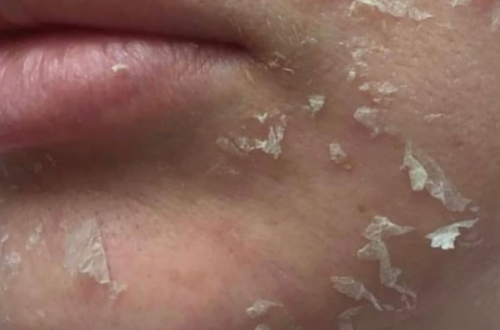
Here’s the thing a lot of us get confused about, exfoliation (whether it’s a gritty scrub, a lactic acid toner, or a fancy glycolic peel) is NOT the same as cleansing. Exfoliation removes dead skin cells, smooths texture, and helps with cell turnover, which is amazing for glow and preventing clogged pores. But it doesn’t truly “clean” your skin in the hygiene sense. It doesn’t fully lift away daily dirt, pollution, sweat, excess oil, sunscreen, makeup, or environmental grime that sits on the surface.
I’ve been there, I used to pile on the exfoliants thinking that if my skin felt tingly and looked polished afterward, it must be spotless. Spoiler: it wasn’t. All those acids and scrubs were doing their job on the dead cells, but I was still leaving behind a layer of everyday buildup. And guess what? That leftover grime can dull your skin, clog pores, and make even the best exfoliants less effective.

Too much cleansing can absolutely strip your skin (we’ve all learned that lesson the hard way), but skipping proper daily cleaning or mistaking exfoliation for cleaning means you’re never starting with a truly blank canvas. Great skin isn’t just exfoliated skin; it’s clean + exfoliated + healthy skin.
So let’s talk about getting the balance right: how to actually cleanse properly (without overdoing it), why exfoliation can’t replace that step, and how doing both in the right order can make everything else in your routine work so much better. Because sometimes, going back to the basics is the real glow-up.
What Exfoliation Really Does
Exfoliation is amazing, don’t get me wrong. It helps remove dead skin cells, smooth texture, and even improve skin tone. But there’s a difference between exfoliation and cleaning your skin.
Physical vs. Chemical Exfoliation
- Physical exfoliation: scrubs, brushes, and tools. These physically remove dead skin.
- Chemical exfoliation: AHAs, BHAs, enzymes. These break down the bonds between dead skin cells for a smoother surface.
Both are fantastic, but here’s the catch: if your skin is covered in dirt, sweat, and product build-up, exfoliation won’t be as effective. You’re basically scrubbing on top of a layer of grime.
Ever tried polishing a dusty table? Exactly.
Why Hygiene Comes First
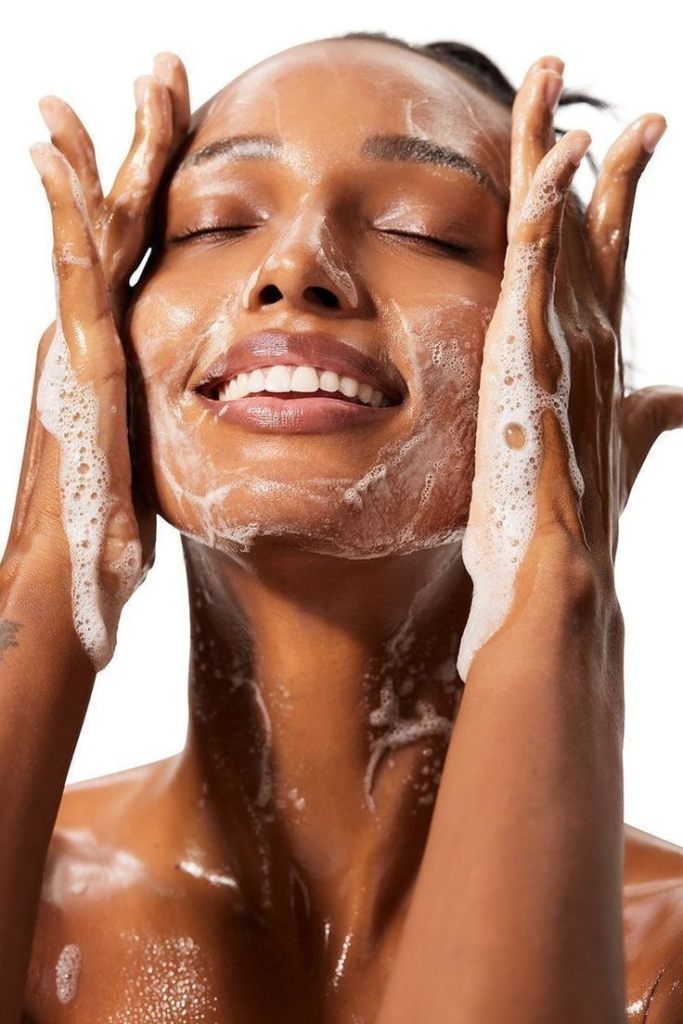
Before any exfoliation, clean skin is non-negotiable. Think of hygiene as the foundation of skincare. No matter how fancy your acids are, they can’t work magic if your skin is sitting on layers of oil, sweat, and leftover sunscreen.
Full-Body Hygiene
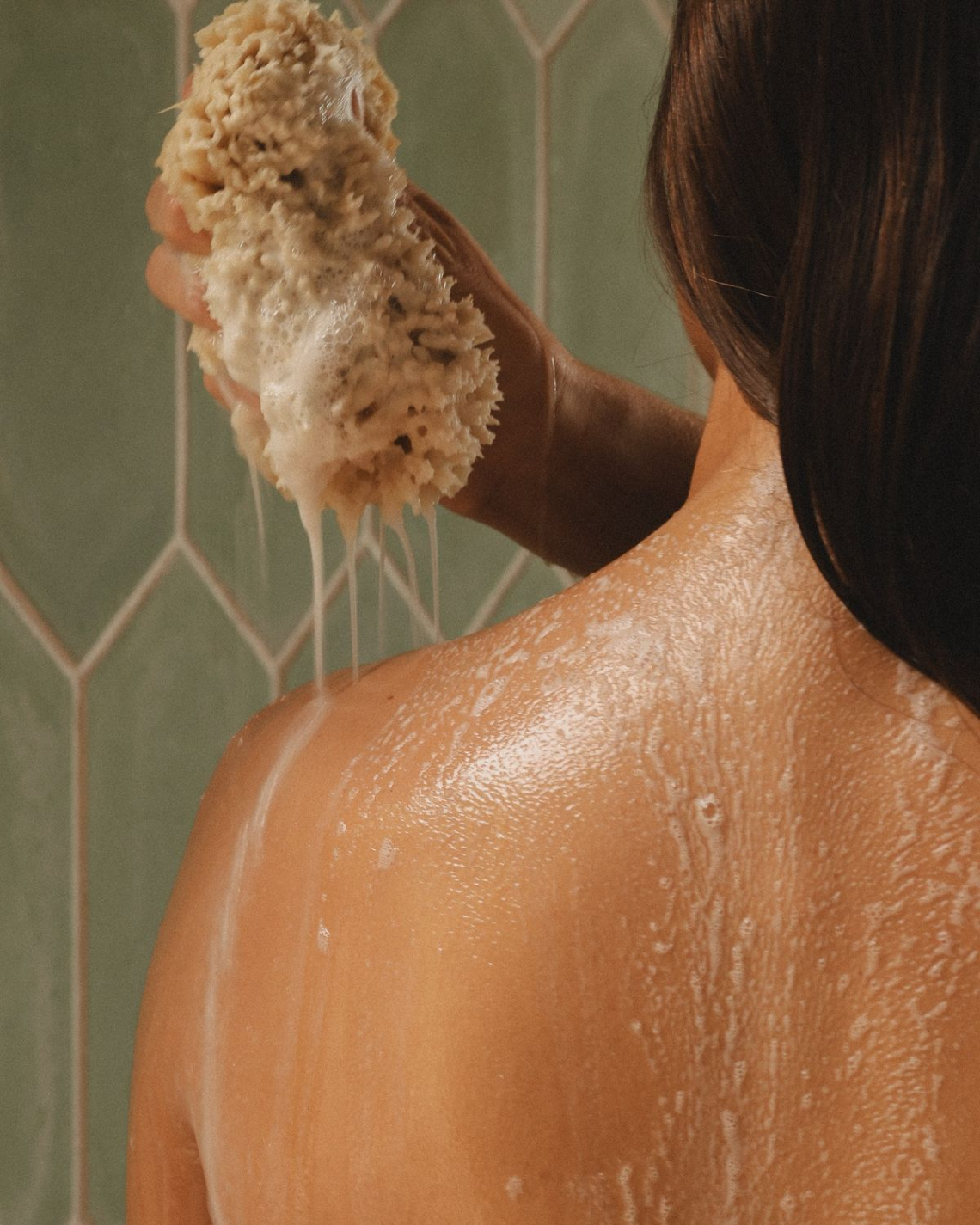
Yes, I mean washing your body too. Your face isn’t the only part that deserves attention. The back, chest, and arms can all build up sweat and dead skin cells, especially if you’re active.
FYI: A gentle weekly soap-based cleanse for your body can remove stubborn product build-up that your body wash might not. I like using unscented glycerin soaps for this, they get the job done without drying out your skin.
Product Build-Up
Let’s talk about product build-up. Serums, moisturizers, sunscreens, and oils are great, but over time they sit on your skin. This layer can trap dead skin, sweat, and bacteria, making exfoliation less effective.
Signs You Might Have Build-Up
- Skin feels rough even after exfoliating
- Products don’t absorb as well
- You notice extra breakouts in areas you normally don’t
To combat this, consider a gentle soap cleanse once a week, even if you use body washes daily. This gives your skin a reset without stripping moisture.
Balancing Cleansing and Exfoliation
The key is not to overdo one while ignoring the other.
Tips for Face
- Cleanse twice daily with a gentle cleanser
- Exfoliate 1–3 times per week, depending on your skin type
- Use a mild exfoliating acid or enzyme mask
- Always follow with a moisturizer
Tips for Body
- Daily rinse with water or body wash
- Weekly deep cleanse with a soap or gentle exfoliating scrub
- Moisturize afterward to lock in hydration
Remember, over-exfoliating can damage your skin barrier, leaving it more prone to irritation, dryness, and even breakouts.
The Hygiene and Exfoliation Dance
Think of exfoliation and hygiene as dance partners, they work best when they’re in sync.
- Hygiene first: removes dirt, sweat, and product build-up
- Exfoliation second: removes dead skin cells and smooths texture
- Moisturize last: protects skin and prevents overproduction of oils
If you skip hygiene, your exfoliant is basically dancing on someone else’s toes, messy and ineffective.
How Often Should You Really Exfoliate?
Here’s the thing: frequency depends on your skin type and body area.
Face
- Normal skin: 2–3x per week
- Sensitive skin: 1x per week
- Oily/acne-prone: up to 3x per week, but watch for irritation
Body
- Weekly exfoliation works for most areas
- Rough spots (elbows, knees): up to 2x per week
- Overactive scrubbing can leave your skin dry and irritated
The key is to listen to your skin, not your skincare FOMO.
Simple Hygiene Tips to Pair With Exfoliation
Here’s what I do:
- Daily cleanse: use a gentle cleanser for your face and body
- Weekly deep cleanse: mild soap or exfoliating scrub to remove build-up
- Moisturize: immediately after washing to lock in hydration
- Target problem areas: T-zone, elbows, knees, back, chest
- Rotate exfoliants: don’t use harsh acids on the same day as a physical scrub
Common Mistakes People Make
Here’s what not to do:
- Skipping soap: body washes are nice, but sometimes a weekly soap cleanse is necessary
- Over-exfoliating: exfoliating daily can compromise your skin barrier
- Ignoring sensitive areas: knees, elbows, and back often get neglected
- Relying solely on chemical exfoliants: they’re not a replacement for hygiene
Why Hygiene and Exfoliation Together Work
When you combine proper hygiene with thoughtful exfoliation, your skin actually responds.
- Better absorption: serums and creams penetrate more effectively
- Fewer breakouts: dirt and oil don’t clog your pores
- Smoother texture: dead skin doesn’t accumulate
- Balanced oils: prevents overproduction of sebum
Quick Recap
- Hygiene is essential: soap once a week, gentle cleansing daily
- Exfoliation comes after: remove dead skin, smooth texture
- Moisturize afterward: protect skin barrier
- Listen to your skin: adjust frequency depending on sensitivity and oiliness
- Target product build-up: weekly deep cleansing keeps acids and scrubs effective
Final Thoughts
It’s easy to get caught up in the hype of chemical exfoliants and masks, but don’t forget the basics. Your skin isn’t just about acids, it’s about balance, hygiene, and listening to what it needs. Clean skin + exfoliation + hydration = happy, healthy skin.
Think of it like this: you wouldn’t polish a dirty table and leave the dust under it, right? Same thing applies to your skin. Keep it clean, exfoliate thoughtfully, and let your natural glow shine through.
Skincare doesn’t have to be rocket science, it just has to be consistent, gentle, and effective. And thanks for reading 🙂