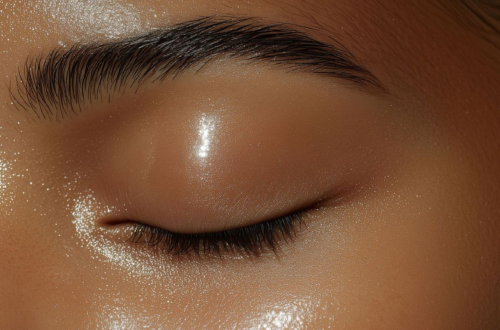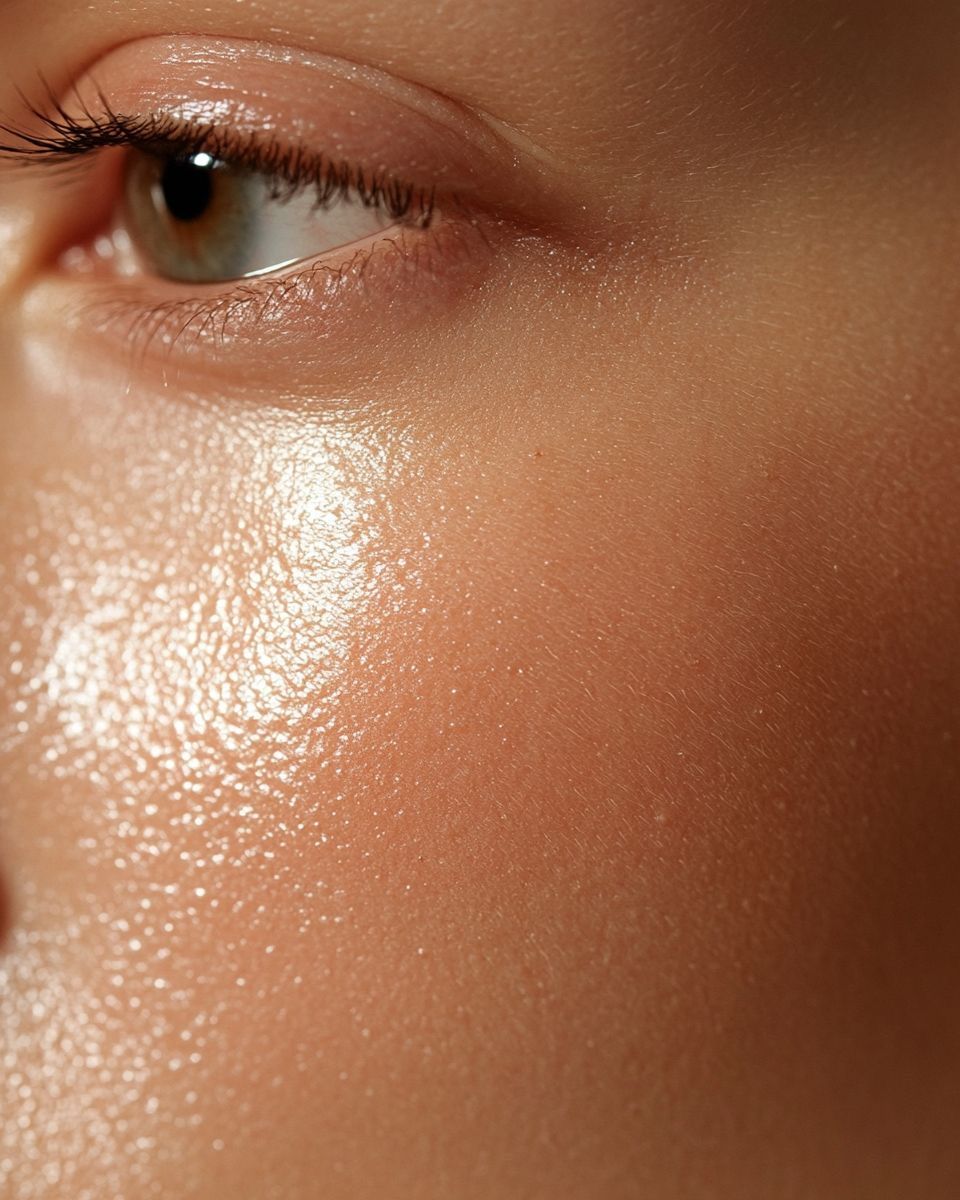
Having oily skin can be a love-hate relationship. Some mornings you wake up and it’s got this nice, healthy glow that looks fresh and dewy, like you’re naturally radiant. Then by lunchtime, your face is straight-up shiny, makeup’s melting off, and you’re reaching for blotting papers every five minutes like they’re lifesavers.
I’ve totally had those moments staring in the mirror, wondering if my skin’s just decided to go into overdrive for no reason. Like, is this normal oily, or is something actually off? Because it’s not just about the shine it can lead to clogged pores, random breakouts, and that annoying feeling where nothing stays matte for long.
If you’ve ever wondered the same thing (am I overproducing oil, or is this just how my skin is?), let’s talk about the real signs it’s cranking out too much sebum, what that actually means, and how to figure it out without overthinking every reflection. No fancy vibes, just keeping it real.

What Is Sebum Anyway?
Before we dive into the signs, a little refresher: sebum is your skin’s natural oil. It’s produced by sebaceous glands and helps keep your skin hydrated and protected. Think of it as your skin’s built-in moisturizer.
Here’s the catch: too much sebum can cause:
- Oily shine
- Clogged pores
- Acne breakouts
So while sebum isn’t inherently evil, overproduction can definitely stir up trouble.
1. You’re Shiny All. The. Time.
If your face looks like you’ve just stepped out of a sauna even two hours after washing, that’s a classic sign of too much sebum.
The Mirror Test
- Check your forehead, nose, and chin (the T-zone).
- Pat lightly with a tissue. If it comes away oily, your sebaceous glands are probably overactive.
FYI: Occasional shine is normal, but constant oiliness? That’s a red flag.
2. Frequent Breakouts
Let’s face it: oil + dirt + dead skin cells = a perfect party for pimples.
Why Sebum Causes Acne
- Overproduction clogs pores
- Excess oil traps bacteria
- Leads to inflammation and breakouts
If you notice persistent pimples on your forehead, nose, or chin even when your diet and lifestyle haven’t changed your sebum production might be to blame.
3. Enlarged or Visible Pores
Ever wondered why some people have those noticeable “honeycomb” pores around their nose and cheeks? Yep, overactive sebum can be the culprit.
How It Happens
- Sebum mixes with dead skin cells
- Pores expand to accommodate extra oil
- Over time, pores look bigger and more obvious
Pro tip: gentle exfoliation and clay masks can help manage oil and keep pores cleaner.
4. Makeup Doesn’t Stay Put
Do you apply your favorite foundation, walk out the door, and five minutes later it’s sliding off your face like a water slide?
Sebum Strike!
Too much oil breaks down your makeup, especially in the T-zone. If you constantly blot, touch up, or have your makeup separating by midday, that’s a sign your skin is producing more sebum than it needs.
5. You Constantly Need to Wash Your Face
Here’s a common trap: people with oily skin think washing more will fix it. Nope. Your skin will just produce more oil in response.
Overwashing Cycle
- Wash in the morning, skin feels okay
- By noon, it’s shiny again
- You wash again
- Skin freaks out and overproduces more oil
Sound familiar? That’s overactive sebaceous glands in action.
6. Blackheads and Whiteheads
Clogged pores don’t just mean pimples, they also mean blackheads and whiteheads.
The Sebum Connection
- Excess oil + dead skin cells = clogged pores
- Blackheads form when clogged pores are open
- Whiteheads form when clogged pores are closed
If you’re seeing a lot of these, your skin is probably producing too much sebum.
7. Oily Hairline or Forehead
Sebum doesn’t just stay on your face. It can travel to your hairline and scalp.
Signs to Watch For
- Hair gets greasy faster than usual
- Forehead appears shiny even without touching it
- You feel the need to wash your hair more frequently
FYI, oily hair can sometimes be the first sign of overactive sebaceous glands before your face shows it.
Why Does Sebum Overproduction Happen?
Now that we’ve identified the signs, let’s talk why your skin goes rogue.
1. Hormones
Hormonal fluctuations, especially during puberty, menstruation, or pregnancy, can ramp up sebum production.
2. Genetics
If your parents struggled with oily skin, chances are you inherited the same trait.
3. Stress
Your skin listens to your stress hormones (hello cortisol), which can boost oil production.
4. Skincare Choices
Using harsh cleansers or over-exfoliating can strip your skin, making it freak out and produce more oil.
5. Diet & Lifestyle
Sugary foods, dairy, and a lack of sleep can sometimes worsen oil production. FYI, hydration is your friend here.
How to Manage Overactive Sebum
If you nodded along to the signs, don’t panic, your skin can be balanced without drastic measures.
Gentle Cleansing
- Use a mild foaming cleanser twice a day
- Avoid harsh scrubs, they trigger more oil production
Lightweight Moisturizer
- Oily skin still needs hydration
- Go for gel-based, non-comedogenic moisturizers
Targeted Treatments
- Niacinamide: helps regulate sebum
- Salicylic acid: exfoliates and keeps pores clear
- Clay masks: absorb excess oil temporarily
Sun Protection
- Sunscreen is non-negotiable
- Look for oil-free or gel sunscreens
Lifestyle Tweaks
- Stay hydrated
- Eat a balanced diet
- Manage stress with meditation or movemenT
Quick Recap
Signs your skin is overproducing sebum:
- Constant shine, especially in the T-zone
- Frequent pimples
- Enlarged or visible pores
- Makeup sliding off your face
- Feeling the need to wash multiple times a day
- Blackheads and whiteheads
- Oily hairline or scalp
Management tips: gentle cleansing, lightweight moisturizers, targeted treatments (niacinamide, salicylic acid, clay masks), sunscreen, and lifestyle adjustments.
Final Thoughts
Oily skin can feel like a curse, but knowing the signs of sebum overproduction is the first step to taking control. Don’t panic, don’t over-cleanse, and remember: your skin isn’t misbehaving, it’s just asking for balance.
Treat it kindly, give it the right products, and your skin will thank you. Shiny moments are normal, but overproduction? That’s something you can manage 🙂