Scars never show up loudly. They just sit there quietly, changing how your skin looks and sometimes how you feel about it. I learned this the slow way, staring at old acne marks and random dark spots that refused to budge no matter how much I moisturized. That frustration pushed me to actually pay attention to what I used at night, not just what I slapped on before leaving the house. And honestly, that shift changed everything.
This article walks you through a realistic nighttime routine that helps fade scars, not overnight miracles or ten step chaos. Just practical steps, smart product choices, and consistency that actually pays off.

Why Nighttime Matters for Fading Scars
You might wonder why I keep stressing night routines. Why not morning too?
Your Skin Works Harder at Night
At night, your skin focuses on repair and regeneration. It stops fighting sunlight, pollution, and sweat. It switches into fix it mode. That makes nighttime the best window for scar fading treatments.
Acids, exfoliants, and targeted treatments work better when the sun stays out of the equation. I learned this the hard way after using actives during the day and ending up darker than I started.
Less Sun Exposure Means Less Setbacks
Sun exposure can darken scars and slow healing, especially when you use acids or fade creams. At night, you remove that risk. You let products do their thing without interruption. Simple math, right?
Step One: Cleanse Like You Mean It
Clean Skin Makes Everything Work Better
I never rush cleansing anymore. Clean skin absorbs products better and reacts less. I use a gentle but thorough cleanser that removes sunscreen, sweat, and oil without stripping my skin.
Harsh cleansers can slow scar healing by irritating the skin. You want calm skin, not stressed skin.
Look for cleansers that
- Clean without leaving your skin tight
- Contain soothing ingredients like glycerin or ceramides
- Work for both face and body if you scar in multiple areas
Step Two: Gentle Exfoliation a Few Nights a Week
Exfoliation Helps Old Marks Move On
Scars fade faster when dead skin cells stop hanging around. I exfoliate two to three nights a week, never every night. Overdoing it always backfires.
Chemical exfoliants work better than rough scrubs for scars. They even out tone and help fade texture slowly.
Good exfoliating options
- Lactic acid for sensitive skin
- Glycolic acid for stubborn scars
- Salicylic acid if acne caused the scars
FYI, tingling feels normal. Burning does not 🙂
Step Three: Target Scars With Fade Treatments
This Is Where the Magic Happens
After cleansing and exfoliating nights, I go in with fade focused products. This step matters most for scar reduction.
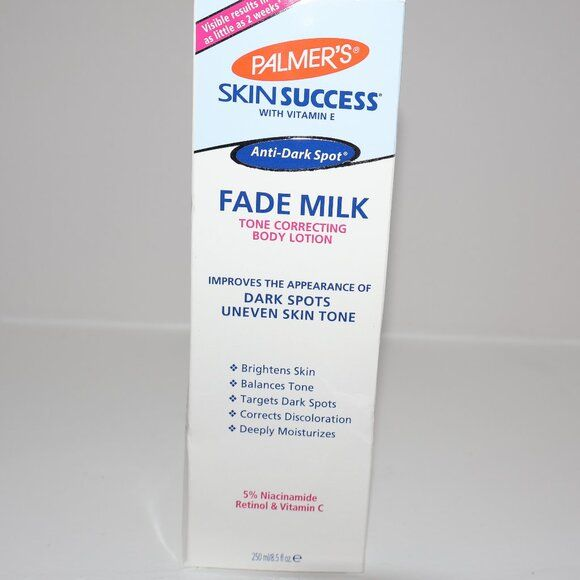
One product I consistently recommend is Palmer’s Skin Success Fade Cream. It works because it focuses on discoloration, not just moisture.
Why Palmer’s Skin Success Actually Helps
I like it because it targets scars without wrecking your skin barrier. It fades dark marks gradually instead of aggressively bleaching the skin.
Key ingredients that help
- Niacinamide for brightening
- Vitamin C for tone correction
- Retinol in gentle amounts for renewal
IMO, patience makes this product work. Expect gradual fading, not instant results.
Other really good alternatives include;

1. Mederma Advanced Scar Gel (Face & Body): Works on old and new scars, reduces texture and discoloration, and is lightweight for easy absorption.

2. Bio-Oil Skincare Oil (Face & Body): Hydrates while improving uneven skin tone, effective on stretch marks and minor scars, and non-greasy for daily use.

3. The Ordinary Vitamin C Suspension 23% + HA Spheres 2% (Face): Brightens dull skin and fades dark spots, helps even skin tone with consistent use, best layered under a moisturizer.

4. La Roche-Posay Mela-D Pigment Control (Face): Targets hyperpigmentation, gentle on sensitive skin, pairs well with sunscreen for maximum effect.

5. Skinceuticals Discoloration Defense (Face): Reduces stubborn dark spots, contains tranexamic acid, niacinamide, and kojic acid, lightweight and suitable for daily use.

6. Palmer’s Cocoa Butter Formula Body Scrub (Body): Combines gentle exfoliation with deep hydration, helps fade post-acne marks and dry patches, great for prepping skin before treatments.

7. Neutrogena Rapid Tone Repair Dark Spot Corrector (Face): Retinol + Vitamin C formula, reduces dark spots and improves skin clarity, works well in a nighttime routine.

8. CeraVe Skin Renewing Vitamin C Serum (Face): Gentle, ceramide-rich formula, brightens skin and strengthens the skin barrier, non-irritating even for sensitive skin.

9. Palmer’s Cocoa Butter Formula with Vitamin E (Body): Moisturizes while improving skin tone, helps reduce the appearance of scars and marks, ideal for larger body areas like arms, legs, and back.

10. Aveeno Positively Radiant Targeted Tone Corrector (Face & Body): Contains soy complex for brightening, can be used on both face and body, lightweight and absorbs quickly.
Step Four: Use Retinol Carefully and Consistently
Retinol Helps Texture and Tone
Retinol speeds up cell turnover, which helps scars fade faster. I use it two nights a week, never back to back with exfoliating acids.
If you rush retinol, it will humble you quickly. Trust me.
Tips for using retinol safely
- Start low strength
- Use pea sized amounts
- Always moisturize after
Retinol works best at night because sunlight can deactivate it and irritate your skin.
Step Five: Lock Everything In With Moisturizer
Moisturizing Helps Skin Heal Faster
Dry skin heals slower. Period. I use a rich but non greasy moisturizer every night without skipping.
Moisturizers support your skin barrier, which helps scars fade more evenly.
Good moisturizers should
- Feel nourishing, not heavy
- Calm the skin after treatments
- Work for face and body if possible
If your skin feels soft and calm before bed, you did it right.
Step Six: Body Scars Need Love Too
Face Routines Should Not Get All the Attention
Back scars, leg scars, and stretch marks deserve the same care. I follow the same routine on my body, just with body friendly products.
Palmer’s also works well on body scars, especially on thighs, arms, and chest.
For body scar routines
- Cleanse with gentle body wash
- Exfoliate two times weekly
- Apply fade cream consistently
- Moisturize generously
Consistency matters more than perfection here.
Step Seven: Avoid Mixing Too Many Actives
More Products Do Not Mean Better Results
I learned that layering acids, retinol, and fade creams together causes irritation. Irritated skin heals slower and scars darken.
Stick to one main active per night.
Simple weekly structure
- Two nights exfoliation
- Two nights retinol
- Remaining nights fade cream only
Your skin will thank you for the balance.
Step Eight: Be Patient With the Process
Scar Fading Takes Time
I saw visible improvement around six to eight weeks. That timeline matters because many people quit too early.
Scars fade gradually, not suddenly. Progress looks like lighter edges, smoother texture, and more even tone.
Ask yourself, do you want fast irritation or slow progress that lasts?
Step Nine: Support Your Skin From the Inside
Skincare Does Not Work Alone
Water, sleep, and diet affect how fast scars fade. I noticed better results once I slept properly and stopped skipping meals.
Helpful habits
- Drink enough water
- Sleep at least seven hours
- Avoid picking scars
Simple habits support your products quietly.
Step Ten: Protect Results During the Day
Sunscreen Keeps Your Progress Safe
Night routines fade scars. Sunscreen protects that progress.
Every morning, I use broad spectrum sunscreen on face and exposed body areas. Without sunscreen, scars darken again quickly.
Yes, even on cloudy days. Yes, even indoors near windows :/
Common Mistakes That Slow Scar Fading
Things I Wish Someone Told Me Earlier
- Switching products too often
- Using harsh scrubs
- Skipping moisturizer
- Expecting overnight results
Scar fading rewards consistency, not impatience.
How Long Does It Take to See Results?
What Realistic Progress Looks Like
Most people see improvement within four to twelve weeks, depending on scar depth and consistency. Deep scars take longer. Fresh scars respond faster.
You want steady fading, not aggressive peeling.
Final Thoughts on Fading Scars at Night
Scar fading does not require complicated routines or expensive products. It needs the right steps, the right timing, and patience. Night routines work because your skin finally gets space to repair itself.
If you stay consistent, avoid rushing, and protect your skin during the day, scars will fade quietly over time. And one day, you will look in the mirror and realize they stopped bothering you. That moment feels really good. Thanks for reading, see you next time!