your brows and facial hair deserve the best treatment possible. You might have tried dermaplaning because it’s trendy, Instagram-approved, or your favorite influencer swears by it. But here’s the truth: when it comes to shaping brows or managing fine facial hair, threading and tweezing consistently outperform dermaplaning, and I’ll tell you why.
I’ve tried dermaplaning. I’ve also been loyal to threading and tweezing for years. And honestly? The results, control, and safety of threading and tweezing can’t be beat. Not everything shiny online deserves your trust, especially when it comes to your skin.
What Is Dermaplaning, Really?
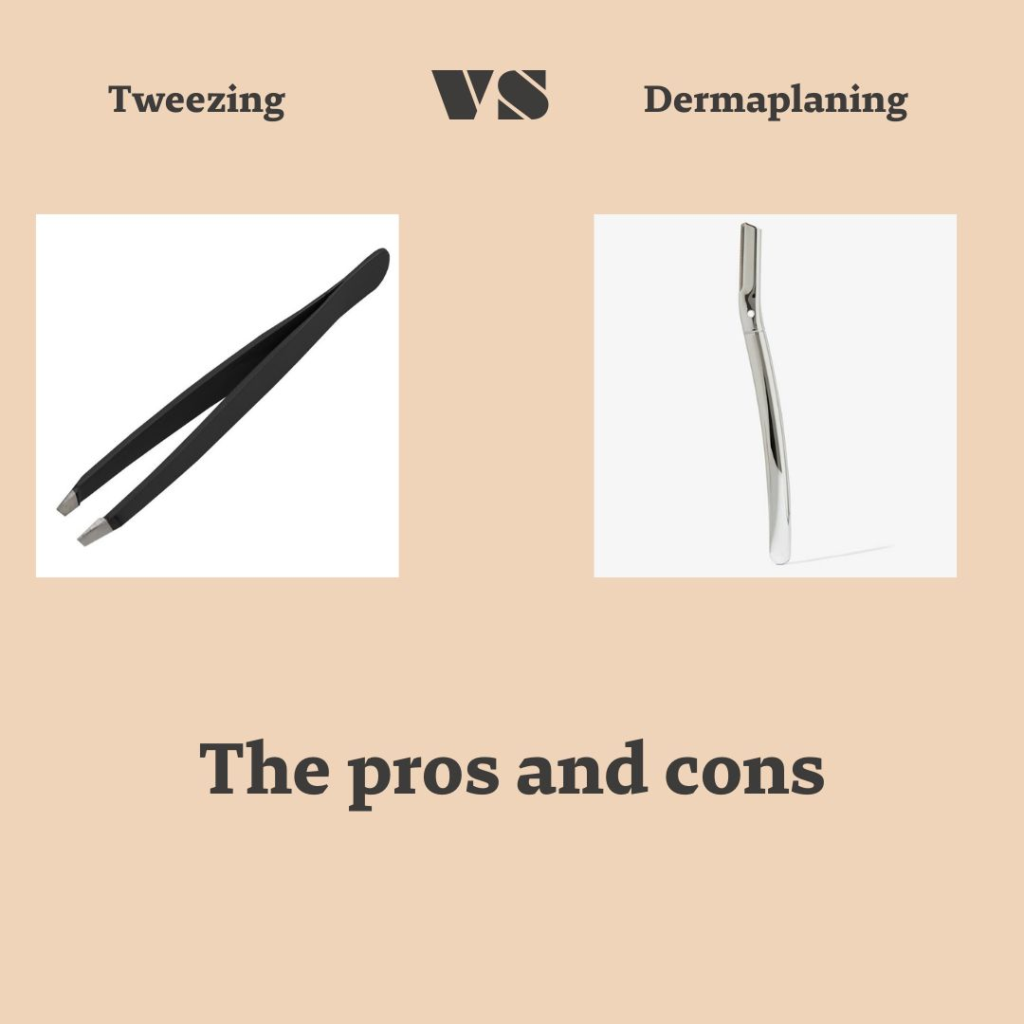
Dermaplaning is essentially a manual exfoliation technique. A small, sharp blade scrapes away dead skin cells and peach fuzz in one swoop. On the surface, it sounds amazing. You get instant smoothness, your makeup glides on flawlessly, and selfies look airbrushed without a filter.
The Catch With Dermaplaning
- Peach fuzz regrows thicker? Not exactly—but it can feel coarser when it grows back because you notice it more against the newly smooth surface.
- Skin sensitivity can spike, especially if you have dry or acne-prone skin. Dermaplaning removes the top layer of skin, so any minor irritation or inflammation becomes immediately visible.
- Temporary results. Smoothness lasts a few days, and then hair grows back, leaving you back at square one.
While dermaplaning can feel luxurious, it’s not precise for shaping brows or removing individual hairs—threading and tweezing excel here.
Threading: The Ancient Art That Still Wins
Threading is an old-school hair removal technique that uses twisted cotton thread to pull hair out from the root. Sounds simple, right? But it’s incredibly precise.
Why Threading Beats Dermaplaning
- Precision: Threading removes single hairs in a clean line. You can shape your brows exactly the way you want.
- Longer-lasting results: Because threading pulls hair from the root, regrowth takes longer—usually 3–6 weeks. Dermaplaning only removes surface fuzz.
- No skin scraping: Dermaplaning exfoliates aggressively, which can irritate sensitive skin. Threading leaves your skin mostly untouched, so redness fades quickly.
- Great for all skin types: Even acne-prone or oily skin handles threading well, while dermaplaning can aggravate breakouts.
Personally, I notice my brows look sharper and cleaner after threading compared to any dermaplaning session. Plus, the precision is unmatched.
Tweezing: The Slow and Steady Winner
Tweezing often gets a bad rap for being tedious. But hear me out—there’s a reason pros use tweezers even in high-end salons.
The Advantages of Tweezing Over Dermaplaning
- Spot control: You can remove exactly what you want, nothing more, nothing less. Dermaplaning gives you no choice—it removes all fuzz.
- Minimal irritation: No scraping, no exfoliating, just careful hair removal. Skin recovers fast.
- Cost-effective: Tweezers last forever, and there’s zero salon requirement if you’re good at technique.
Tweezing is perfect for touch-ups between threading appointments or when you want to clean up stray hairs without messing with your skin’s surface.
Dermaplaning Risks You Need to Know
Before you think dermaplaning is just harmless fun, let’s review why it may not always be the best option.
Potential Drawbacks
- Micro-cuts and irritation: The blade can nick the skin if done too aggressively. Even a tiny cut can trigger breakouts or redness.
- Exfoliation overload: Dermaplaning removes surface cells. Overdoing it can compromise your skin barrier, especially if you already use acids or retinoids.
- Temporary hair removal: It doesn’t get the root. Hair regrows quickly, and you’re back to dealing with fuzz in days.
- Not targeted: It removes all surface hair indiscriminately, which can ruin natural brow shape if you’re not careful.
In contrast, threading and tweezing are targeted, root-based, and safe for repeated use.
Why Precision Matters for Brows
Brows frame your face. Ever notice how slightly uneven or messy brows change your whole expression?
- Threading gives clean lines: You control the arch and overall shape.
- Tweezing allows micro adjustments: Stray hairs don’t ruin the look.
- Dermaplaning ignores precision: It smooths the area but doesn’t shape hairs individually.
If your goal is defined, natural-looking brows, you’ll want threading or tweezing over dermaplaning every time.
Hair Growth and Regrowth Considerations
Threading and tweezing pull hair from the root. Dermaplaning only removes surface fuzz. That means:
- Longer hair-free periods with threading/tweezing
- Finer regrowth over time, especially with consistent hair removal from the root
- Less need for constant maintenance, saving time and effort in the long run
Dermaplaning may feel fun once, but if you want practical, lasting results, root removal is the way to go.
Skin Health and Safety
Your skin’s barrier is precious. Anything that scrapes it aggressively can cause irritation, redness, or sensitivity.
- Threading/tweezing: Minimal impact on the skin barrier. Skin heals quickly.
- Dermaplaning: Can strip the surface and temporarily make skin more reactive, especially if you have dry or sensitive skin.
IMO, less trauma = better long-term skin health. Why risk irritation for a few days of smoothness?
Cost and Convenience
Let’s be real: dermaplaning sessions can get pricey. Threading or tweezing? Much more affordable.
- Threading: Salon sessions are reasonable and last weeks.
- Tweezing: One-time purchase of good tweezers and you’re set.
- Dermaplaning: Sessions can cost $50–$100, and results last only a few days for hair removal purposes.
For both wallet and routine sanity, threading and tweezing win.
When Dermaplaning Might Be Useful
I’ll admit, dermaplaning isn’t useless. It’s great for:
- Exfoliating dead skin before makeup or a big event
- Temporary ultra-smooth texture for photos or glam looks
- Removing very fine peach fuzz in a pinch
But if your main goal is shaping brows or long-term hair removal, threading or tweezing is superior.
Threading + Tweezing Combo: The Ultimate Duo
Many pros recommend combining both methods:
- Threading for overall brow shaping and root-level removal
- Tweezing for stray hairs between appointments
This combo keeps your brows precise, neat, and low-maintenance while avoiding unnecessary skin trauma from dermaplaning.
My Personal Experience
Honestly, I don’t do full dermaplaning. I only use a razor for my eyebrows. For the rest of my face, like peach fuzz or the occasional ingrown hair, I stick to tweezers and waxing instead.
Key Takeaways
- Precision matters: Threading and tweezing shape brows; dermaplaning does not
- Root removal = longer results: Surface removal is temporary
- Skin health wins: Minimal irritation keeps skin calm
- Cost-effective: Tweezers last forever, threading is affordable
- Consistency > trendiness: Long-term control beats one-time smoothness
Final Thoughts
Dermaplaning has its place, but for real brow shaping and effective hair removal, threading and tweezing are unbeatable. They are precise, safe, cost-effective, and better for your skin’s health in the long run.
If you’re serious about brow perfection or managing facial hair efficiently, ditch the trend and stick to the root.