Ever been uncomfortable about how your knees and elbows looked? Yeah, I’ve experienced that too. Darker elbows and knees have always been a slight concern to me, but they’re so common that I eventually didn’t even see it as a problem.
Then, when I started my skincare journey and they began getting lighter, my eyes opened to greater things. Even skin is a goal after all. The confidence that came with it was unmatchable.
That was when I started thinking back on habits, excluding skincare apathy, that I was doing without realizing they were making my elbows and knees darker. After digging into the science, habits, and lifestyle factors behind this, I realized it’s not just random.
So my dear friends, in this article today, we are not going to talk about how to even out skin or get rid of hyperpigmentation. I have a lot of articles on that already and I’ll link them throughout as we go. Today, we’ll be talking about one thing only.
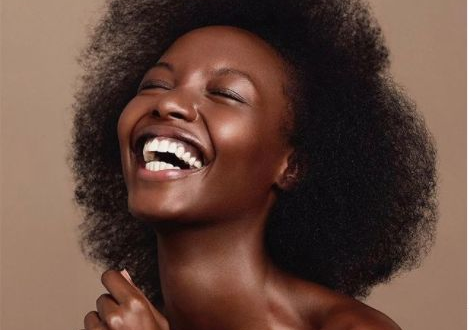
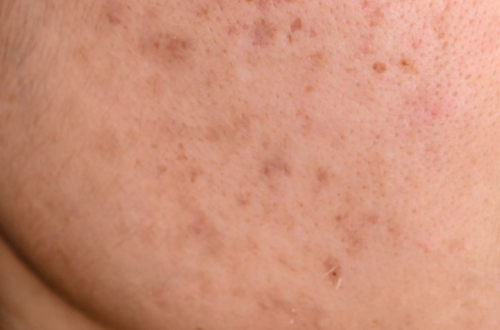
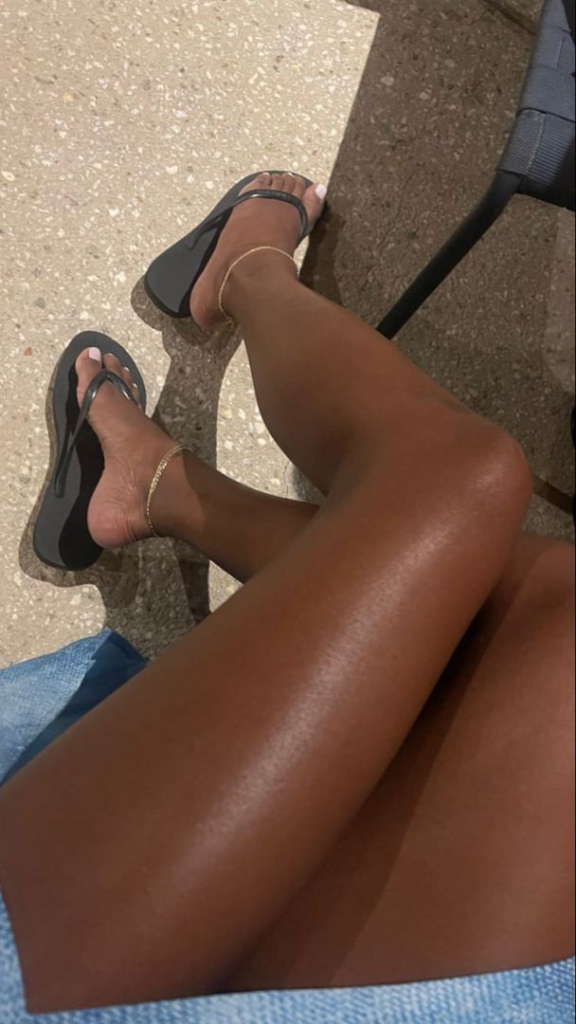
Disclaimer: The images in this article show even skin tone and are meant to illustrate the results of treating dark elbows and knees.
It’s Mostly About Friction
Constant Pressure and Rubbing
Think about how often your elbows and knees press against surfaces, desks, floors, armrests, chairs. This constant friction stimulates your skin to produce more melanin, which is what gives skin its color.
- Elbows and knees have thicker skin, making them more prone to darkening
- Repeated pressure triggers a defense mechanism: more pigment = protection
- Sitting cross-legged or leaning on elbows intensifies the effect
Ever noticed your knees get darker after long hours studying on the floor as a kid? Yeah, friction is sneaky but very real.
Dead Skin Buildup
Exfoliation is Key
These areas are a bit like the forgotten corners of a room, skin cells pile up. Over time, this dead skin layer can make your elbows and knees appear darker.
- Dryness worsens the effect
- Lack of regular exfoliation allows pigment to sit on the surface
- Gentle scrubbing or chemical exfoliants can help reveal brighter skin
I personally love using a soft loofah with a gentle scrub twice a week. It’s not painful, and it keeps things smooth without irritation.
Genetics and Skin Type
Sometimes, it’s in your DNA
Not everything is lifestyle-related. Some people naturally produce more melanin in certain areas, and that’s just your body doing its thing.
- Darker skin tones can experience more noticeable pigmentation in pressure points
- Family history can play a role
- While genetics isn’t something you can change, understanding it can prevent unnecessary frustration
Think of it as your skin’s signature pattern, it’s unique and normal.

Sun Exposure
Yes, elbows and knees see the sun too
We often forget these areas when applying SPF. Sun exposure triggers melanin production, and repeated sun contact can darken elbows and knees even more.
- SPF should cover exposed areas, not just your face
- Sun can worsen existing hyperpigmentation
- Regular sun protection helps prevent new dark spots
A tip: I keep a small SPF stick in my bag specifically for hands, elbows, and knees—super handy for quick touch-ups.
Skin Conditions
Sometimes, darker skin is a sign
Certain skin conditions can cause localized hyperpigmentation:
- Acanthosis nigricans – velvety dark patches often linked to insulin resistance
- Eczema or dermatitis – inflammation can trigger post-inflammatory hyperpigmentation
- Psoriasis – chronic irritation may darken patches
If your elbows or knees are consistently darker and accompanied by texture changes or itchiness, it might be worth a quick check-up with a dermatologist. Better safe than sorry.
Lifestyle and Habits
What you do daily matters
Some habits can unintentionally darken your elbows and knees:
- Skipping moisturizers – dry skin appears dull and dark
- Rough scrubbing – using harsh brushes or soaps triggers more melanin
- Frequent kneeling or leaning – friction adds up over time
- Neglecting aftercare post-shaving or waxing – irritation can darken the skin
Even small changes, like gentle moisturizing after a shower, can make a noticeable difference over time.

How to Brighten Dark Elbows and Knees
Gentle exfoliation
- Sugar or oatmeal scrubs – remove dead skin gently
- Chemical exfoliants – mild AHAs or BHAs help with pigmentation
- Frequency – 2–3 times a week is plenty, don’t overdo it
Hydration is essential
- Thick creams or body butters – CeraVe, Vaseline, or shea butter
- Moisturize daily – lock in hydration immediately after bathing
Targeted treatments
- Vitamin C creams – brighten skin over time
- Niacinamide – reduces pigment and improves texture
- Kojic acid or licorice root extracts – gentle skin-lightening options
Pro tip: consistency beats intensity. A soft, daily routine works better than harsh treatments once in a while.
Protect and Prevent
Avoid triggers
- Always use sunscreen on exposed elbows and knees
- Avoid sitting or leaning on rough surfaces for long periods
- Consider padded mats if you kneel often
By preventing new dark spots while treating old ones, you’re helping your skin heal and maintain an even tone.
When to See a Dermatologist
Know when it’s serious
If your dark elbows or knees:
- Appear suddenly or rapidly
- Have rough, velvety patches
- Are accompanied by other symptoms like itching or pain
…it might be more than just friction or dryness. A professional can rule out conditions like acanthosis nigricans and guide safe treatment options.
Personal Routine That Works
Here’s a simple routine I follow for my elbows and knees:
Daily:
- Shower with lukewarm water
- Moisturize with a rich cream (CeraVe or shea butter)
- SPF if exposed to sun
Weekly:
- Gentle exfoliation with sugar scrub
- Apply niacinamide or vitamin C cream at night
Monthly:
- Check progress and adjust moisture/exfoliation
- Avoid harsh scrubs or any irritation
Consistency is the key. Over time, skin texture improves, and tone evens out without drastic or harmful treatments.
Conclusion
Dark elbows and knees are super common, and usually, friction, dryness, sun exposure, and sometimes genetics are the main culprits. Lifestyle changes, consistent moisturizing, gentle exfoliation, and sun protection go a long way in brightening these stubborn areas.
Remember, it’s about steady care, not overnight miracles. Celebrate progress, not perfection, and treat your skin gently. After all, elbows and knees do a lot of work, supporting your body every day—don’t forget to show them a little love 🙂