Sometimes it becomes clear that your skin needs exfoliation, but choosing the right product is not always straightforward. You reach for an exfoliant and then pause, wondering whether AHA or BHA is the better option. With so many products and terms, skincare can start to feel more complicated than it should be.
The truth is, choosing the right chemical exfoliant is not about hype. It comes down to your skin type, your specific concerns, and what you are actually trying to improve.
Let’s clear the confusion. By the end of this article, you’ll know exactly which exfoliant suits your skin, how to use it, and what to expect. No guessing, no trial-and-error disasters.
What are AHAs and BHAs anyway?
Before we pick favorites, let’s break down the basics.
AHAs: Alpha Hydroxy Acids
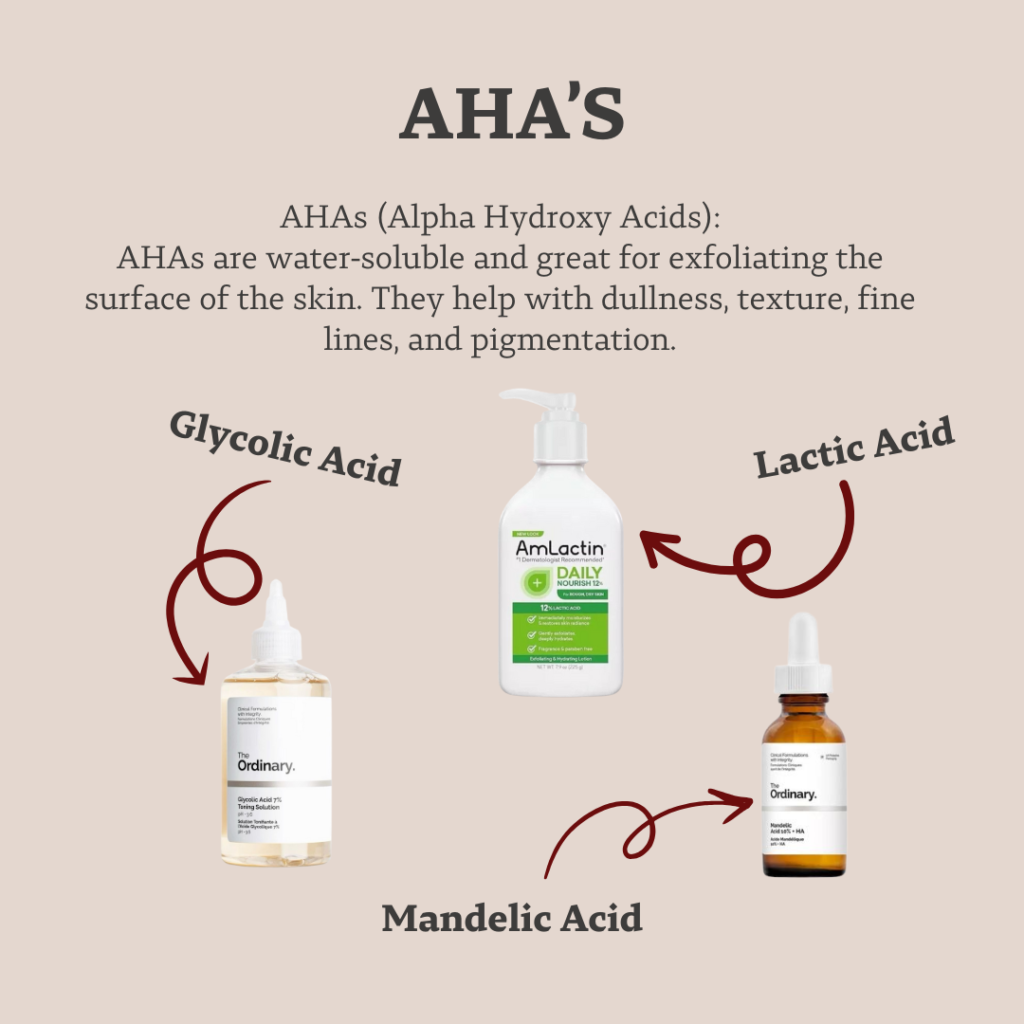
AHAs are water-soluble acids derived from fruits, milk, and sugar. They work on the skin’s surface, gently sloughing away dead skin cells. Think of AHAs as the soft, approachable exfoliant that helps you reveal brighter, smoother skin.
Common AHAs
- Glycolic acid (most potent, tiny molecules, deep surface penetration)
- Lactic acid (gentler, also hydrates)
- Mandelic acid (best for sensitive skin)
AHAs are great if your main concerns are dullness, uneven texture, fine lines, or pigmentation. They do wonders for creating that fresh-faced glow.
BHAs: Beta Hydroxy Acids
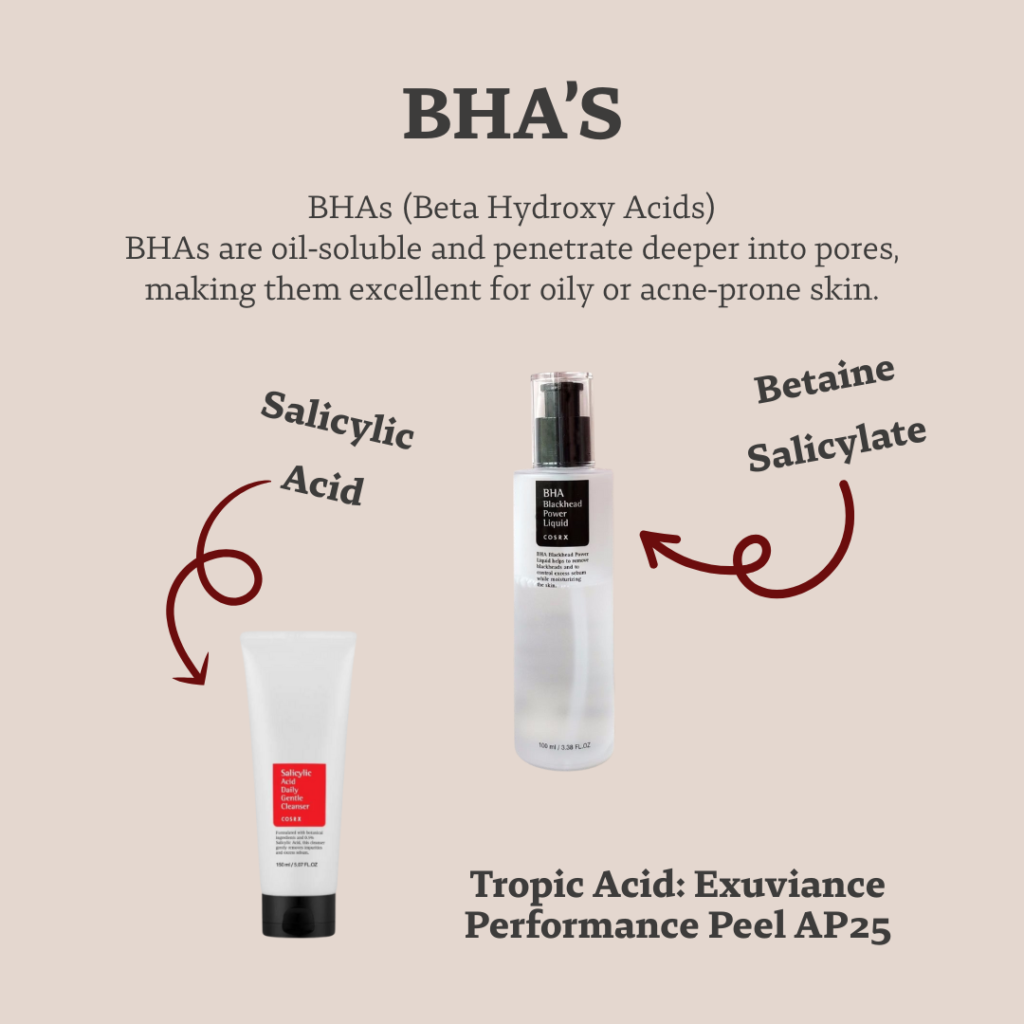
BHAs, most commonly salicylic acid, are oil-soluble. That means they penetrate deeper into pores, unclogging them from the inside out. If AHAs are like wiping the surface of your countertop, BHAs are like cleaning the stuff under the sink you never see.
BHAs shine for
- Acne-prone skin
- Oily skin
- Blackheads and congestion
They also have anti-inflammatory benefits, which can calm redness and prevent new breakouts.
Identifying your skin type and needs
Oily or acne-prone skin
If your skin feels greasy by midday, gets blackheads, or struggles with breakouts, BHA should be your first pick. It cleans deep and keeps pores clear without stripping your skin.
Dry or sensitive skin
Dry, flaky, or sensitive? AHA is your buddy. It exfoliates gently, hydrates, and helps smooth texture without causing extra irritation.
Combination skin
Combination skin is tricky. Some days you might need AHA for surface smoothness, other days BHA for congestion in the T-zone. In this case, you can alternate or use products that combine both at safe concentrations.
Pigmentation and uneven tone
AHAs shine here. Glycolic or lactic acid can gradually fade dark spots and brighten your skin without harsh scrubbing.
Persistent breakouts and oily patches
Go BHA all the way. It unclogs pores and prevents acne from forming in the first place.
How to start with chemical exfoliation
Step 1: Patch test first
Yes, always patch test. Slap a bit on your jawline for 24 hours and observe. No redness, no irritation, you’re good to go. Yes, it’s boring, but your face will thank you.
Step 2: Start slow
Start 2–3 times a week. Your skin needs time to adjust. Overdoing it leads to redness, irritation, and peeling, which is not the “glow-up” you signed up for.
Step 3: Layer smartly
Exfoliants do not mix well with certain actives. Avoid using retinol or vitamin C on the same night as a strong acid unless you know your skin tolerates it.
Product recommendations (friendly picks)
I won’t throw a million options at you. Here’s what I actually use or recommend to friends:
AHAs
- The Ordinary Glycolic Acid 7% Toning Solution (gentle enough to start)
- Pixi Glow Tonic (classic, reliable)
- The Inkey List Lactic Acid (great for sensitive skin)
BHAs
- Paula’s Choice 2% BHA Liquid Exfoliant (legendary for blackheads)
- CosRX BHA Blackhead Power Liquid (Asian beauty fave)
- La Roche Posay Effaclar Salicylic Acid Cleanser (for oily, acne-prone)
Remember: less is more. Pick one, see how your skin responds, then adjust.
How to layer chemical exfoliants in a routine
Morning vs evening
Chemical exfoliants work best at night. Sun exposure afterward can increase sensitivity. AM routines should focus on gentle cleansing, hydration, and sunscreen. FYI, SPF is mandatory after acids, always.
Evening routine example
- Cleanse gently
- Apply AHA or BHA (2–3x per week)
- Hydrating serum or essence
- Moisturizer
- Optional: oil for barrier support
Sunscreen is non-negotiable
Even if you hate reapplying, don’t skip SPF. AHAs increase sun sensitivity, and BHA-treated skin heals better when protected. Think of it as insurance for your glow.
Common mistakes with AHAs and BHAs
- Using too often too soon: Your skin will revolt with redness and irritation. Start slow.
- Mixing strong acids with retinol or vitamin C: That combo can destroy your moisture barrier. Take it easy.
- Ignoring SPF: Even light sun exposure can undo weeks of progress.
How to know it’s working
Look for gradual improvements:
- Smoother skin texture
- Less visible blackheads
- Brighter, even-toned skin
- Fewer breakouts
No overnight miracles, but consistency pays off. Trust the process.
Combining AHA and BHA safely
Some people wonder if they can use both. Yes, but timing and concentration matter.
- Start with one product
- Introduce the second only after 2–3 weeks
- Alternate nights instead of layering strong acids on the same night
- Monitor your skin for sensitivity
Summary rundown: Which to pick when
| Skin Concern | Focus Exfoliant | Tips |
|---|---|---|
| Dry, flaky, dull | AHA | Gentle acids, start 2x/week |
| Oily, acne-prone | BHA | 2% salicylic acid, check tolerance |
| Hyperpigmentation | AHA | Combine with SPF, patience is key |
| Combination | Alternate | T-zone: BHA, other areas: AHA |
| Sensitive | Lactic acid (AHA) | Start slow, watch reactions |
Final thoughts
AHAs and BHAs are both amazing tools when used correctly. The difference lies in your skin type, needs, and patience. I’ve seen so many friends grab acids randomly and end up frustrated. Don’t be that person. Start slow, watch your skin, and adjust.
Your skin will reward consistency with glow, smoothness, and clarity. You’ll also learn to love your skin’s natural resilience because, honestly, it deserves some credit too 🙂