Face masks look simple. You open the jar, spread it on, wait, rinse, glow. In reality, masks confuse people more than they help. I see people masking randomly, layering products under masks that do not belong there, and leaving masks on until they crack like cement. Then they wonder why nothing changes.
I learned this through trial and error. Masks work, but only when you use them at the right time, on the right skin, and for the right reason. Ever used a mask and felt like your skin looked exactly the same after. Yeah, that usually means the process went wrong.
So let me walk you through the right way I use a mask to get all the benefits, without stress or wasted product.
First, what a face mask should actually do
A mask does not replace your routine. It supports it.
Masks work as targeted treatments. They hydrate, clarify, soothe, exfoliate, or calm the skin depending on the type. They work best when your skin needs extra attention, not when you feel bored on a Sunday afternoon.
When you treat masks like intentional tools, results start showing up.
The best time to use a face mask
Timing changes everything.
Masking at night works best
I prefer using masks at night. My skin feels calmer, and I do not rush the process. Skin repairs itself better in the evening, so masks fit naturally into that rhythm.
Morning masking can work too, but only hydrating or calming masks make sense there. Clay masks before makeup usually end in regret.
How often you should use a mask
Use most masks one to two times a week. More does not mean better.
Over masking irritates the skin barrier and creates new problems. Moderation in everything.
Always cleanse before masking. No exceptions
This step matters more than people think.
Applying a mask on dirty skin blocks ingredients from working properly. Makeup, sunscreen, oil, and pollution sit on the surface and get in the way.
I always cleanse first. Sometimes I double cleanse if I wore sunscreen or makeup. Clean skin absorbs benefits better. That part stays non negotiable.
Should you exfoliate before using a mask
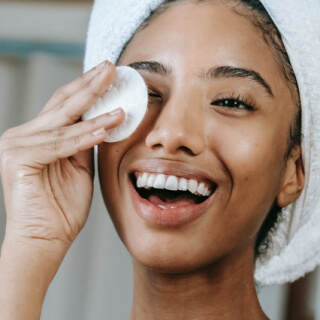
This depends on the mask type.
When exfoliation helps
If I use a hydrating or soothing mask, I sometimes exfoliate gently beforehand. Light exfoliation removes dead skin and helps ingredients penetrate better.
When exfoliation does not belong
If I use a clay, charcoal, or exfoliating mask, I skip exfoliation. Doubling up irritates the skin fast.
Listen to your skin here. More steps do not equal better results.
Should you apply products before a mask
This question comes up a lot.
Most of the time, no
I apply masks on clean, bare skin. Masks need direct contact with the skin to work properly.
Layering serums under masks usually dilutes the effect or causes irritation.
The one exception
Sheet masks sometimes work well over a hydrating toner. A light toner preps the skin without blocking absorption.
Everything else works best solo.
How long a mask should stay on
This part trips people up badly.
Clay and charcoal masks
Leave these on for 10 to 15 minutes max. Never let them dry completely.
When clay cracks, it pulls moisture out of your skin instead of impurities. That tight feeling people love. That is dehydration.
I rinse clay masks while they still feel slightly damp.
Hydrating and gel masks
These can stay on 15 to 20 minutes. Some even allow longer wear, but follow instructions.
If your skin feels tight or uncomfortable, remove it early.
Sheet masks
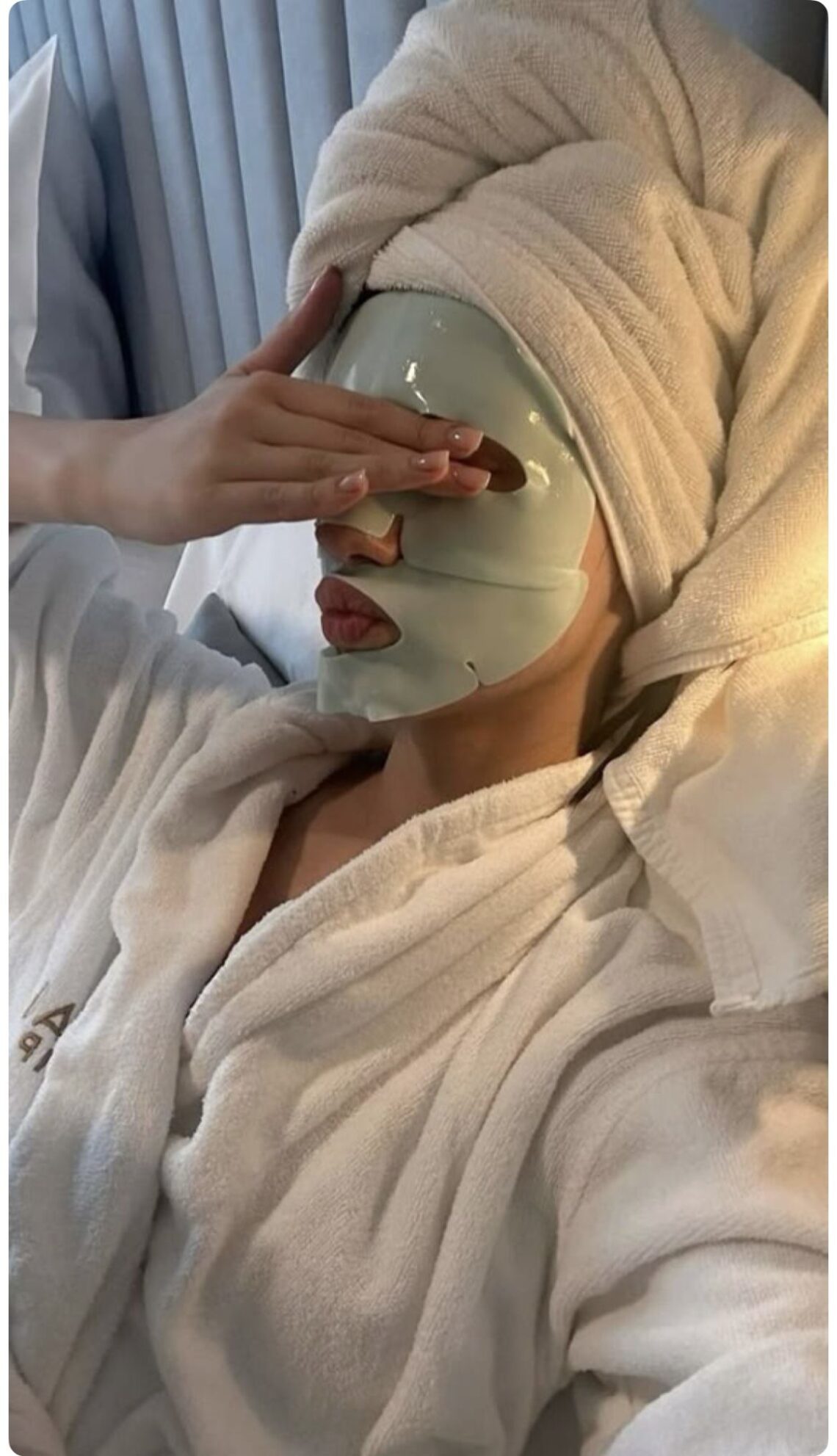
Use sheet masks for 15 to 20 minutes. Leaving them on longer does nothing extra. Once the sheet dries, it pulls moisture back out.
FYI, longer does not mean better with masks.
Types of face masks and how to use each one properly
Not all masks behave the same way.
Note: PR = Product Recommendations
Clay masks
Clay masks absorb excess oil and unclog pores. They work well for oily and acne prone skin.
Use them on clean skin. Avoid daily use. Follow with a hydrating moisturizer.
I like using clay masks only on my T zone sometimes. Full face is not always necessary.
PR: Kiehl’s Rare Earth Deep Pore Cleansing Mask

Charcoal masks
Charcoal masks pull impurities from pores. They feel stronger than clay.
Use once weekly. Keep duration short, 10 mins is advisable. Always moisturize after.
Charcoal does its job quietly, but it can dry the skin if overused.
PR: The Ordinary Salicylic Acid 2% Masque (with charcoal)

Hydrating masks
These masks restore moisture and plump the skin. They work beautifully for fine lines and dullness.
I use hydrating masks when my skin feels tired or tight. They save the day.
Ingredients like hyaluronic acid and glycerin make a difference here.
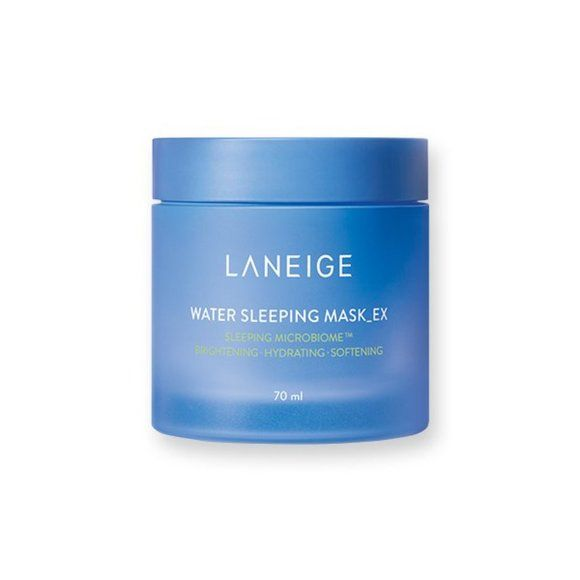
PR: Laneige Water Sleeping Mask
Sheet masks
Sheet masks deliver hydration and glow fast. They work well before events or after travel.
They do not replace long term routines, but they give instant comfort. Think support, not transformation.
PR: Biodance Bio-Collagen Real Deep Mask

Exfoliating masks
These masks contain acids or enzymes. They smooth texture and brighten skin.
Use them carefully. Once a week works for most people. Never mix with retinol nights.
Exfoliating masks demand respect.
PR: Drunk Elephant T.L.C. Sukari Babyfacial (AHA/BHA mask)

Sleeping masks
Sleeping masks seal in moisture overnight. They work like occlusive moisturizers.
I use them when my skin feels dry or stressed. They work best as the final step at night.
PR: Kiehl’s Ultra Facial Overnight Hydrating Mask

What to do after removing a mask
This step locks everything in.
Rinse or remove gently
Use lukewarm water for rinse off masks. Pat dry. Never scrub.
For sheet masks, massage leftover serum into the skin.
Apply calming products
After masking, I stick to hydration and barrier repair.
I use
• Hydrating serum
• Gentle moisturizer
• Facial oil if needed
Avoid strong actives immediately after. Let your skin enjoy the calm.
Masks and active ingredients. What works and what does not
Masks do not mix well with everything.
Masks and retinol
Never use retinol before or after exfoliating or clay masks. Retinol nights should stay simple.
I separate mask days from retinol days completely. My skin appreciates that boundary.
Masks and vitamin C
Hydrating masks work fine with vitamin C routines. Exfoliating masks do not.
If in doubt, space them out.
Signs you are masking wrong
Your skin always tells you.
Watch for
• Redness
• Tightness
• Burning
• Breakouts after masking
These signs mean something needs adjustment.
Masks should leave skin calm, not confused.
How I choose which mask to use
I never mask based on trends. I mask based on skin mood.
If my skin feels oily, I use clay.
If it feels dry, I hydrate.
If it feels dull, I exfoliate lightly.
Simple logic works best.
Common face mask mistakes people make
• Masking too often
• Leaving masks on too long
• Layering products underneath
• Using the wrong mask for skin type
• Skipping moisturizer after
I made most of these mistakes early on. My skin survived, but it showed.
Final thoughts on using a mask the right way
Face masks work when you treat them like intentional treatments, not skincare entertainment. Timing, clean skin, proper duration, and the right mask type change everything.
Masks support your routine. They do not replace it.
Next time you reach for a mask, pause and ask yourself what your skin actually needs. Your skin always answers when you listen. And honestly, when masks work properly, the glow feels very satisfying 🙂