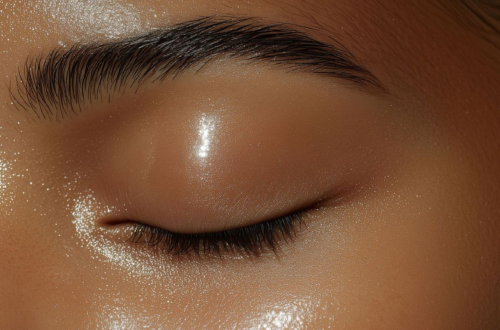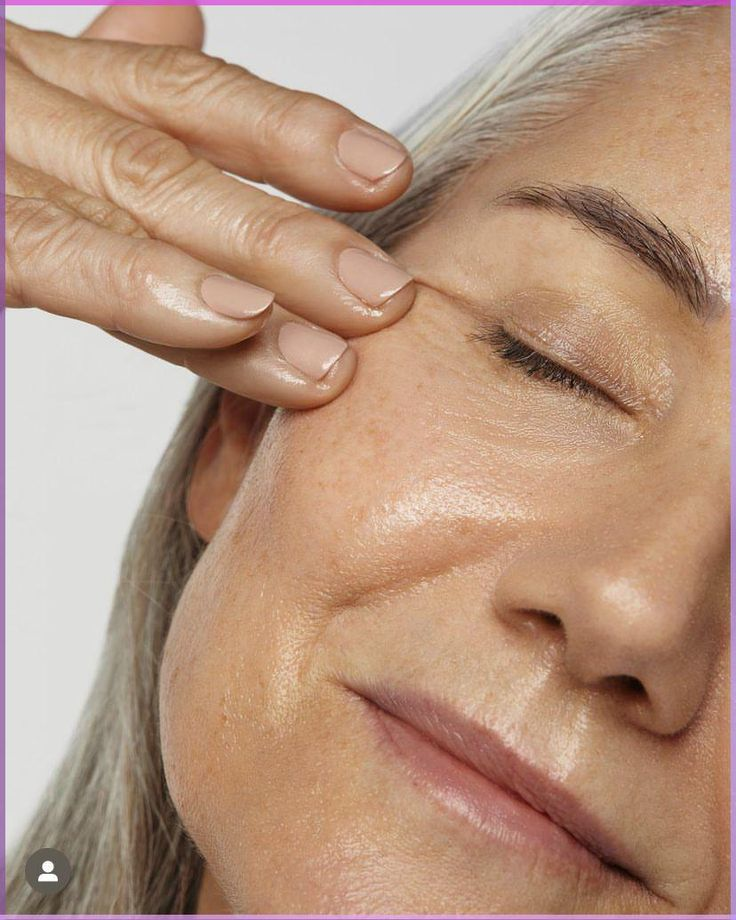
Ever wondered why sometimes your skincare just doesn’t seem to work? You’re slathering on serums, masks, and moisturizers, yet your skin looks stressed, dry, or irritated. Chances are, your skin barrier isn’t happy, and bridging it could completely change the game. But first, what is a skin barrier?
Your skin barrier, also called the stratum corneum, is basically your skin’s first line of defense. Think of it like a wall made of lipids and cells that protects your skin from external irritants, bacteria, and moisture loss. When this barrier weakens, your skin becomes vulnerable, dehydrated, and reactive. And yes, that’s when products that should help can actually hurt.
So, let’s talk about five things that can bridge your skin barrier, restore its strength, and make your skin glow and behave like it’s supposed to.
1. Moisturize, But Do It Right
Moisturizing isn’t just a ritual, it’s literally feeding your skin barrier. But here’s the catch: not all moisturizers work the same way. Some are heavy and greasy, others are too light to make a difference.
How to Bridge the Barrier with Moisturizers
- Look for ceramides: These are like the bricks of your skin wall. They literally rebuild the barrier.
- Hyaluronic acid: Think of it as a hydration magnet. It draws water into your skin and keeps it plump.
- Fatty acids and cholesterol: These lipids fill in the gaps and strengthen barrier integrity.
Personally, adding a ceramide-rich cream to my routine felt like giving my skin a comforting hug every night. The dryness and redness I used to get? Slowly disappearing.
2. Simplify Your Skincare Routine
Sometimes less really is more. Overloading your skin with multiple acids, scrubs, and retinols can damage the barrier instead of helping it.
Steps to Simplify
- Cut back on harsh exfoliants: Limit chemical peels or physical scrubs to 1–2 times a week.
- Rotate actives, don’t layer them: Retinol, vitamin C, and acids can be great but layering them aggressively weakens your skin.
- Stick to gentle cleansers: Avoid foaming or highly alkaline cleansers that strip your skin of natural oils.
I remember my “everything-at-once” phase, morning acids, night retinols, weekly peels. My skin was tight, red, and miserable. Simplifying actually healed it faster than any expensive mask ever did.
3. Hydrate from the Inside Out
Bridging your skin barrier isn’t only about topical care. Your skin reflects what’s happening internally. Hydration is key.
How Internal Hydration Helps
- Water consumption: Keeps skin cells plump and resilient.
- Omega-3 fatty acids: Found in fish, flaxseed, and walnuts, they support skin barrier lipids.
- Balanced nutrition: Vitamins A, C, and E all help strengthen skin defense.
Honestly, when I started drinking more water and adding salmon to my diet, my barrier felt “less cranky.” Redness calmed, dryness reduced, and my moisturizers actually started working better.

4. Protect Your Skin from External Stressors
Your skin barrier is like a sponge, it absorbs everything around it. Pollution, UV rays, and extreme weather can all damage it. Bridging it means adding protection to the mix.
Simple Protective Steps
- Sunscreen daily: UVA and UVB rays break down lipids and proteins in the skin wall. SPF 30+ is usually enough for daily exposure.
- Avoid harsh weather extremes: Wind, cold, or dry heat can dehydrate your skin. Protective creams and scarves help.
- Limit environmental irritants: Smoke, smog, or fragranced skincare products can inflame the barrier.
I can’t stress this enough, my barrier improved noticeably after I got serious about SPF and stopped layering on perfumed lotions. My skin wasn’t screaming for attention every morning anymore.
5. Be Consistent and Patient
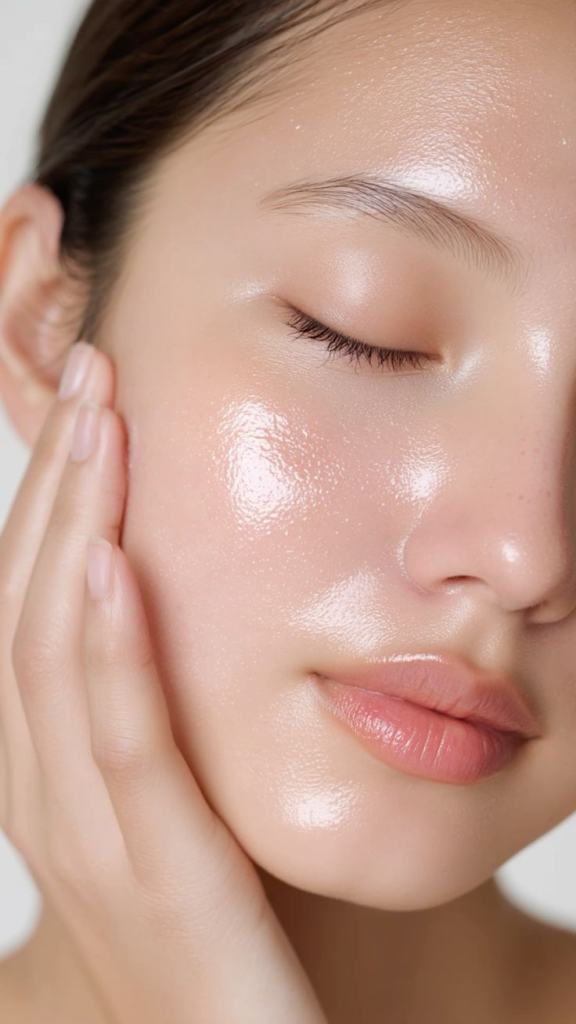
Here’s the reality: bridging your skin barrier doesn’t happen overnight. It’s about consistency and gentle care.
Tips for Consistency
- Stick to a daily routine: Gentle cleanser, hydration, moisturizer, SPF
- Introduce new products slowly: Patch test and observe skin reactions
- Observe, don’t panic: Minor dryness or flaking at first is normal when rebuilding a barrier
I noticed that after a month of consistent care, my skin looked calmer, felt softer, and reacted less to environmental stress. The barrier doesn’t need perfection, it needs respect and routine.
What Damages the Skin Barrier (So You Can Avoid It)
Knowing what to avoid is just as important as knowing what to add. Common culprits include:
- Over-exfoliation (physical scrubs, strong acids daily)
- Harsh cleansers or soaps
- Excessive retinol without moisturization
- Hot water or frequent long showers
- Environmental stressors without protection
Avoiding these is as crucial as using your ceramide-rich moisturizer or SPF. Think of it as giving your skin a safe environment to rebuild itself.
The Emotional Impact of a Strong Skin Barrier
A lot of skincare advice focuses on appearance. But a healthy skin barrier affects comfort and confidence too.
- Reduced sensitivity: Less stinging, redness, or irritation
- Calm, hydrated skin: You’ll actually enjoy touching your face
- Confidence boost: When your skin behaves, your mood improves too
I used to dread windy mornings because my cheeks would burn and flake. Now? My skin barrier handles it, and I can step out feeling calm and comfortable. Skincare becomes enjoyable, not stressful.
Bridging Your Barrier Is Self-Care
The most important takeaway: bridging your skin barrier is not vanity, it’s self-care. It’s giving your skin what it truly needs: protection, hydration, and patience. Think of your barrier as your personal skin shield, you strengthen it, and it takes care of you in return.
- Use moisturizers with ceramides and hyaluronic acid
- Simplify your routine and avoid over-exfoliation
- Hydrate internally with water and skin-supporting nutrients
- Protect your skin from sun and environmental stress
- Be consistent and patient with your care
These five steps may sound simple, but they transform your skin from reactive to resilient.

Wrapping It Up
Bridging your skin barrier isn’t a one-week fix. It’s a long-term investment in comfort, glow, and skin health. It’s about understanding what your skin truly needs and giving it gentle, consistent care.
By focusing on moisturization, routine simplification, hydration, protection, and patience, your barrier repairs itself, your skin reacts less, and even problem areas start to calm down. And honestly, the emotional payoff? Less stress about irritation, breakouts, or dryness, and more confidence in your own skin.
So next time you layer your serums or panic over a dry patch, remember: your skin barrier deserves attention, respect, and the right ingredients to bridge it. Treat it well, and your skin will reward you in ways no flashy serum ever could.