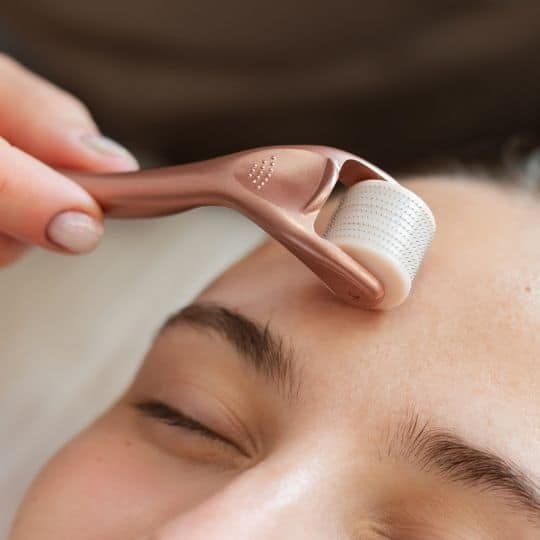
Microneedling has become a popular treatment for improving skin texture, reducing scars, and promoting a more youthful appearance. While it can be very effective, it’s important to understand that this procedure involves tiny punctures to the skin. As with any treatment that disrupts the skin barrier, there are potential side effects that everyone should be aware of before deciding to try it.
So, even if you’re considering this procedure casually, understanding potential reactions is part of taking good care of your skin. Here’s what you need to know.

1. Redness and Swelling
One of the most common effects after microneedling is redness. Your skin may look flushed or slightly pink, similar to how it feels after a gentle sun exposure. Swelling can also occur, particularly around sensitive areas like the cheeks. This reaction is part of your skin’s natural healing process. It usually subsides within a day or two, though deeper treatments may take a little longer.
2. Minor Bruising
Some people may experience small bruises after the procedure. This is more likely if your skin is sensitive or prone to bruising. The bruising is usually very mild and resolves quickly. It is generally not a cause for concern, but it can make your skin look a bit uneven temporarily.
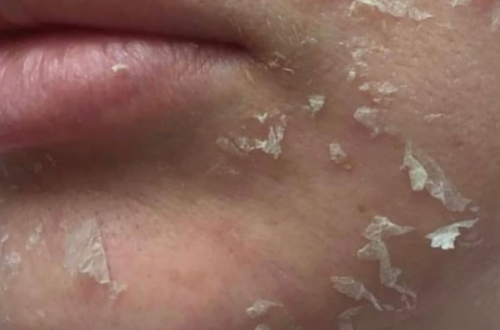
3. Dryness and Flaking
After microneedling, it is common for the skin to feel dry or slightly tight. Flaking may occur as the skin begins to repair itself. This is a normal part of the healing process. Using gentle, hydrating products and avoiding harsh exfoliants for a few days can help your skin recover comfortably.
4. Temporary Sensitivity
The procedure can make your skin more sensitive than usual. It may react more easily to sun exposure, heat, or certain skincare products. Many people notice tingling or mild irritation when applying serums or creams in the first few days. Protecting your skin with sunscreen and simple, soothing products is usually enough to manage this sensitivity.
5. Small Scabs or Pinpoint Bleeding
Depending on the depth of treatment, tiny scabs or pinpoint bleeding may appear. This is a natural response to the micro-injuries created during the procedure. It is important not to pick at these areas, as your skin needs to heal undisturbed. With proper care, these minor effects disappear quickly.
6. Risk of Hyperpigmentation
For some individuals, particularly those with darker skin tones or a history of pigmentation issues, microneedling can sometimes trigger temporary dark spots. This is usually mild and can be managed with careful sun protection and post-treatment skincare. Consulting a professional beforehand can help minimize this risk.
7. Infection Risk
Microneedling involves creating tiny openings in the skin, which can allow bacteria to enter if proper hygiene is not maintained. While infection is rare when performed by trained professionals, it remains a possibility. Ensuring that tools are clean and following aftercare instructions carefully is important to reduce this risk.
8. Allergic Reactions
Some people may experience reactions to topical products applied during or after the procedure. These can include redness, swelling, or mild irritation. Testing new products on a small area before full application can help prevent unwanted reactions. Choosing gentle, fragrance-free serums is usually the safest approach.
9. Mild Pain or Discomfort
Microneedling can cause a sensation of discomfort or mild pain, depending on the length of the needles and your personal tolerance. This discomfort is typically brief and manageable. Many practitioners use numbing creams or other methods to ensure the procedure is as comfortable as possible.
10. Temporary Redness and Puffiness
Even after the initial swelling goes down, some people may notice residual redness or slight puffiness for a day or two. This is normal and indicates that your skin is still in the process of healing. With proper care, these effects fade naturally without long-term consequences.
Conclusion
Microneedling can be an effective tool for improving skin texture, reducing scars, and promoting a healthy appearance. However, it is important to recognize that it comes with potential side effects. Redness, sensitivity, minor bruising, and temporary pigmentation changes are all possibilities. Most of these effects are temporary and resolve with appropriate care.
Understanding these side effects and preparing your skin accordingly can make the experience safer and more comfortable. If you are considering microneedling, consulting a professional and following recommended aftercare will help you achieve the best results while minimizing complications.
Microneedling can be a beneficial procedure when approached with care and patience. Being aware of what to expect allows you to make informed decisions and care for your skin effectively.