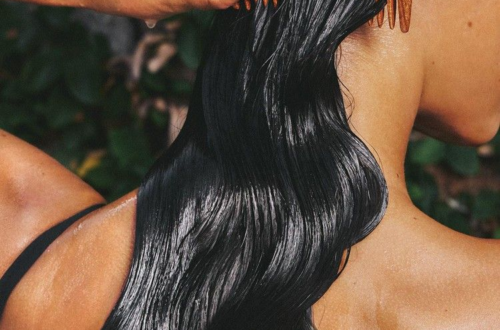
Your scalp is basically the soil, and your hair? The flowers. You could have the fanciest oils, serums, and conditioners, but if the scalp isn’t healthy, your hair growth will struggle. Ever wondered why some people seem to have hair that grows like weeds while yours… well, takes its sweet time? That’s all scalp health talking. Don’t worry, I’ve got a friendly guide to scalp routines that actually support hair growth, without turning your haircare into a full-on chemistry experiment.

Why Your Scalp Is the Key to Growth
Think of the scalp as your hair’s foundation. Blocked pores, dryness, or excess oil can slow growth, cause shedding, and even trigger itchiness or dandruff. So, treating your scalp right is necessity.
Ever noticed how massaging your scalp feels… amazing? That’s because increased blood flow actually feeds the hair follicles, giving them nutrients to grow stronger and healthier hair. And yes, a healthy scalp reduces breakage too, which is basically bonus growth.
Cleansing Your Scalp Properly
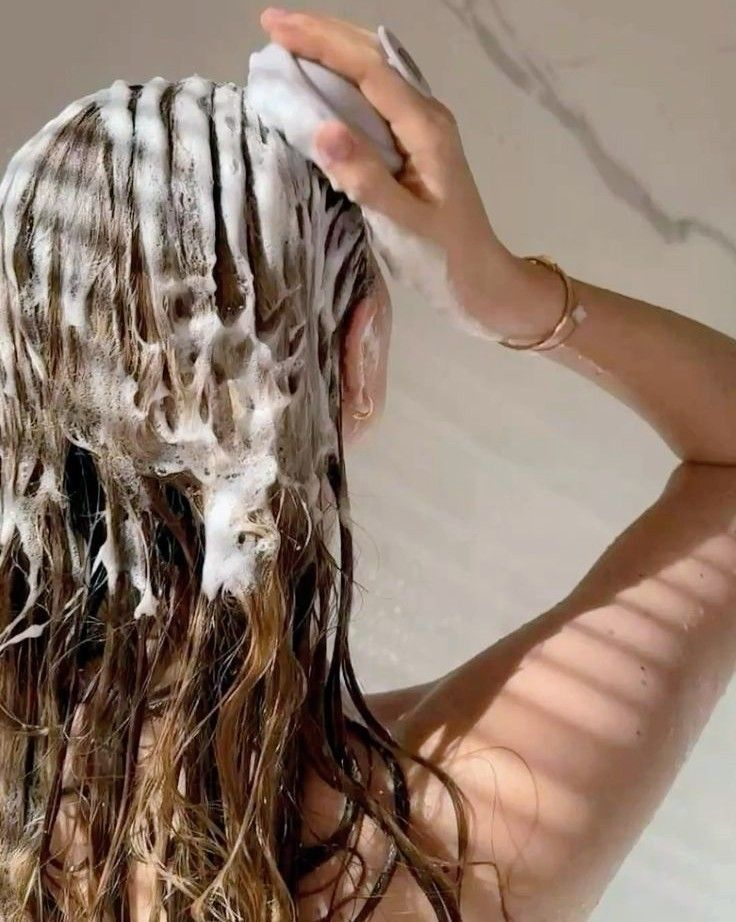
A lot of people think shampooing is just about cleaning the strands. Nope—scalp care starts at the root.
Choose the Right Shampoo
Not all shampoos are created equal. Look for:
- Gentle, sulfate-free formulas: These clean without stripping natural oils.
- Ingredients for your scalp type: Tea tree oil, salicylic acid, or zinc pyrithione if you’re prone to dandruff.
- pH-balanced options: They keep the scalp barrier intact.
How Often to Wash
It depends on your scalp:
- Oily scalp: 2–3 times a week to remove excess sebum.
- Dry scalp: Once or twice a week, focus on gentle cleansing.
- Normal scalp: Every 2–3 days is perfect.
Overwashing can backfire and trigger more oil production or dryness. Balance is key.
Exfoliate Your Scalp
Yes, you heard that right. Your scalp needs exfoliation just like your face. Dead skin cells, product buildup, and sweat can clog follicles, slowing hair growth.
Scalp Scrubs
- Look for salicylic acid or sugar-based scrubs.
- Massage gently, never scratch, your scalp is sensitive.
- Use once a week for a clean, healthy scalp.
DIY Option
Mix a teaspoon of sugar with a bit of olive oil and massage lightly. Instant clarity and scalp stimulation without harsh chemicals.
Massage for Circulation
Scalp massage is more than a spa vibe, it boosts blood flow to hair follicles, helping with nutrient delivery and potentially faster growth.
How to Do It
- Use fingertips, not nails.
- Apply gentle, circular motions across the entire scalp.
- Try 5–10 minutes daily, even while watching TV.
Pro tip: Combine massage with a lightweight oil like jojoba or castor oil to nourish hair while stimulating growth. I swear, your scalp will feel like it just had a mini-vacation.
Oils and Serums: Treat Your Follicles
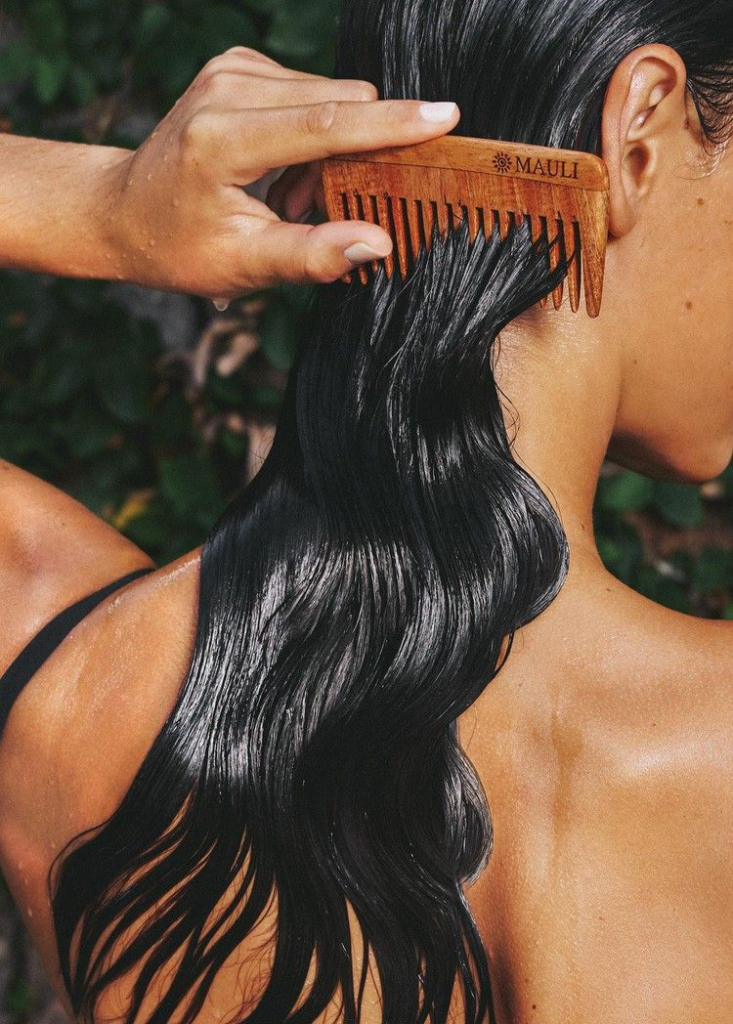
Hair oils can support scalp health and prevent breakage.
Popular Choices
- Jojoba oil: Closely mimics natural sebum, great for balance.
- Castor oil: Thick and nutrient-rich, promotes growth (though a little greasy—less is more).
- Tea tree oil: Antimicrobial, excellent for scalp health, especially with dandruff.
Application Tips
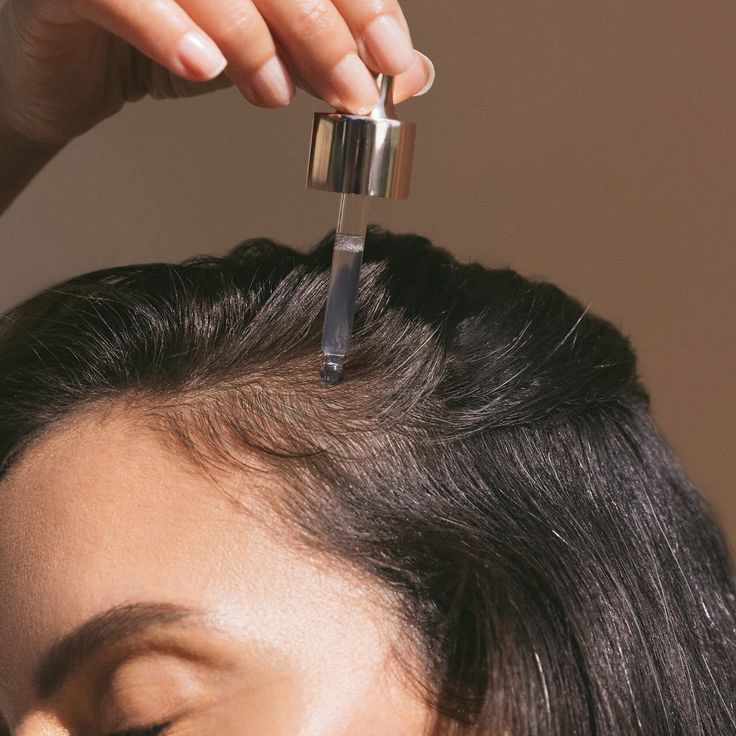
- Massage a few drops into the scalp, don’t drench your hair.
- Leave for 30 minutes or overnight if your scalp tolerates it.
- Wash thoroughly, oil buildup can block follicles if left too long.
Keep Your Scalp Moisturized
Dry scalp = flaky, itchy scalp = unhappy hair growth. A moisturized scalp is less likely to break hair or develop irritation.
- Use lightweight leave-in sprays or serums formulated for the scalp.
- Ingredients like aloe vera, hyaluronic acid, and glycerin are fantastic for hydration without clogging pores.
- Avoid heavy creams on the scalp, they weigh hair down and can trap dirt.
Protect from Environmental Damage
UV rays, pollution, and even heat tools can harm the scalp as much as the hair strands.
Scalp Sunscreen
Yes, scalp sunscreen is a thing! Light sprays or mineral powders protect exposed parts of the scalp, especially for those with thinning hair or parted styles.
Pollution Defense
- Wrap hair or use light scarves if you’re commuting through dusty areas.
- Anti-pollution serums with antioxidants help neutralize free radicals.
Keeping your scalp happy means healthy, strong hair growth, not just shiny strands.
Avoid Scalp Stressors
Some habits quietly sabotage growth:
- Tight hairstyles – ponytails, buns, or braids can cause traction alopecia.
- Excessive heat – too many straighteners or hot combs can dry the scalp.
- Harsh chemicals – relaxers, perms, and bleaching need caution; always follow up with scalp care.
Weekly Routine Example
Here’s what a healthy scalp routine could look like:
- Day 1: Shampoo with gentle cleanser, massage, apply lightweight oil.
- Day 2: Dry shampoo if needed, brush gently.
- Day 3: Scalp exfoliation, massage, leave-in serum.
- Day 4–6: Regular brushing, minimal product.
- Day 7: Deep conditioning mask, optional overnight oil massage.
Consistency is everything. Even small daily care habits add up over time.
My Personal Take
I started scalp massages daily about a month ago, and honestly, my hair feels thicker at the roots. I pair jojoba oil for moisture with tea tree if my scalp gets itchy. Simple, consistent, and no fancy tools needed. IMO, your scalp is the real MVP of hair growth.
Key Takeaways
- Cleanse, exfoliate, and moisturize your scalp regularly.
- Massage daily to stimulate blood flow.
- Use oils and serums wisely; lightweight and nutrient-rich is best.
- Protect from sun and pollution, and avoid harsh styling.
- Consistency beats gimmicks—your scalp doesn’t care about “miracle” products; it wants care.
Your hair growth journey starts at the scalp. Treat it with patience, proper cleansing, and gentle stimulation, and your hair will thank you with thicker, healthier strands. Remember: healthy roots = healthy hair, no shortcuts. And yes, your scalp can absolutely feel pampered and productive at the same time. 🙂