Most people think exfoliation always improves skin. The logic seems simple. Remove dead skin cells and reveal smoother, brighter skin underneath. Easy.
But here’s the part many skincare routines quietly ignore.
Your skin actually needs some of those dead cells.
Those cells form part of your skin barrier, the thin protective shield that keeps moisture inside and irritants outside. Strip too much of it away, and your skin starts reacting in ways that feel confusing. Dryness appears. Breakouts suddenly show up. Even your glow disappears.

Ever wondered why someone uses exfoliating acids hoping for radiant skin, yet their face suddenly looks irritated and dull?
That situation usually points to over-exfoliation.
This article explains what happens to your skin when you over exfoliate, why it occurs, how to recognize the signs early, and how to repair your skin barrier before things spiral into a slightly perilous situation.
Because yes, over-exfoliating your skin can quickly become absurd if you ignore the warning signs.
Just before we get into the main deal, A quick announcement.
Shop, free product, follow us on pinterest.
What Exfoliation Actually Does to Your Skin
The Purpose of Exfoliation
Exfoliation removes dead skin cells that accumulate on the surface of your skin.
Your skin naturally sheds these cells every 28 to 40 days. But aging, stress, sun exposure, and dehydration slow that process. Dead cells start piling up, and your skin begins to look dull or rough.
Exfoliation speeds up that natural renewal cycle.
When you exfoliate correctly, you often notice:
• Brighter skin tone
• Smoother texture
• Improved product absorption
• Fewer clogged pores
That result explains why exfoliating acids became so popular in modern skincare.
But here’s the catch.
Your Skin Still Needs Balance
Exfoliation works well only when it supports your skin barrier rather than destroying it.
Healthy exfoliation removes just enough dead cells to improve texture.
Over-exfoliation removes too many layers, including cells your skin still needs.
That difference may sound small, but it changes everything.
The Skin Barrier
Most people underestimate the role of the skin barrier.
Think of it as your skin’s security system.
The barrier consists of lipids, proteins, and healthy skin cells that form a protective layer. This layer controls moisture loss and protects against bacteria, pollution, and irritation.
When your barrier functions properly, your skin feels:
• hydrated
• smooth
• calm
• resilient
When exfoliation damages the barrier, things change quickly.
What Happens When the Barrier Breaks Down
Once over-exfoliation weakens the barrier, your skin struggles to regulate itself.
You may start noticing:
• burning sensations
• sudden redness
• dryness that feels tight
• increased breakouts
• sensitivity to products that previously felt fine
Ever applied your usual moisturizer and suddenly felt stinging?
That reaction often signals barrier damage from excessive exfoliation.

Signs You Are Over-Exfoliating Your Skin
Your skin rarely stays silent when you over-exfoliate.
It sends several signals. The problem? Many people ignore those signals and continue exfoliating.
Let’s talk about the most common warning signs.
Persistent Redness
Your skin may appear constantly flushed or irritated.
Healthy exfoliation should improve your complexion. It should not make your face look angry all day.
Redness often appears when the skin barrier becomes inflamed.
Increased Sensitivity
Your skin suddenly reacts to products that previously felt gentle.
Simple moisturizers begin to sting. Sunscreen feels uncomfortable. Even water might irritate your skin.
This change happens because your protective barrier no longer shields your nerve endings properly.
Dryness and Tightness
Ironically, over-exfoliated skin often feels extremely dry.
Your skin loses moisture faster once the barrier weakens.
You may notice:
• flaky patches
• tight feeling after cleansing
• dull appearance despite exfoliating
That result confuses many people. They exfoliate more, hoping to fix the problem. That choice only makes things worse.
Breakouts That Appear Out of Nowhere
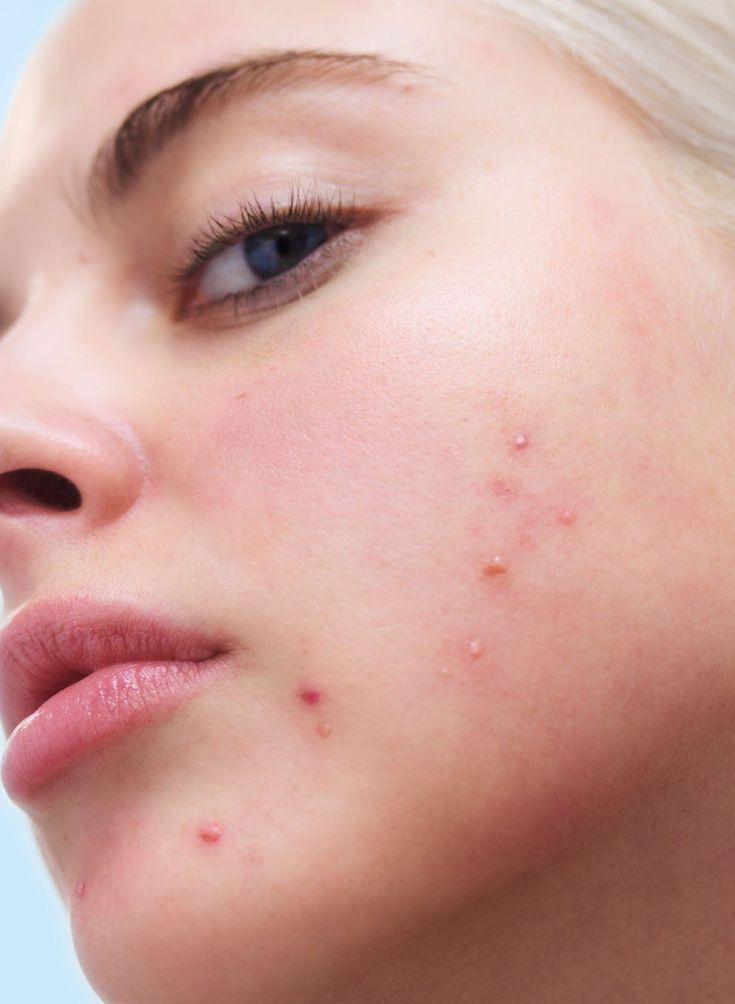
Over-exfoliation sometimes triggers unexpected breakouts.
Damaged skin produces more oil to compensate for moisture loss. That excess oil mixes with irritation and bacteria, which can lead to acne.
So yes, excessive exfoliation can actually cause the very problem you tried to prevent.
A slightly cruel twist, honestly.
Why Over-Exfoliation Happens So Easily
Modern skincare encourages people to chase instant results.
Many products promise brighter skin overnight. Influencers often layer acids, scrubs, and peels in the same routine.
Your skin simply cannot tolerate that level of activity.
The Most Common Causes
People usually over-exfoliate for several reasons:
• using multiple exfoliating products together
• exfoliating every day
• combining physical scrubs with strong acids
• ignoring signs of irritation
• using high acid concentrations too frequently
Ever noticed how some routines stack retinol, AHAs, BHAs, and scrubs all in the same week?
That combination overwhelms the skin barrier quickly.
Physical vs Chemical Exfoliation
Understanding the difference between these two methods helps prevent over-exfoliation.
Physical Exfoliation
Physical exfoliation involves scrubs or tools that manually remove dead skin cells.
Examples include:
• sugar scrubs
• coffee scrubs
• exfoliating brushes
• cleansing tools
These methods work immediately but can irritate skin if used too aggressively.
Chemical Exfoliation
Chemical exfoliants use acids or enzymes to dissolve dead skin cells.
Common chemical exfoliants include:
• glycolic acid
• lactic acid
• salicylic acid
• mandelic acid
These ingredients work gradually and often produce smoother results.
However, frequent use still damages the skin barrier.
Balance matters more than the exfoliation method.
What Happens Inside Your Skin When You Over-Exfoliate
Let’s talk about the internal process.
When exfoliation becomes excessive, several biological changes occur.
Moisture Loss Increases
The skin barrier normally slows water loss.
Once exfoliation removes too many protective cells, your skin loses moisture rapidly. This process creates dehydration and tightness.
Inflammation Begins
Your skin responds to damage with inflammation.
Inflammation produces redness, sensitivity, and sometimes itching. Prolonged inflammation also increases the risk of hyperpigmentation, especially for melanin-rich skin.
Oil Production Increases
Your skin senses dryness and attempts to correct it.
Sebaceous glands start producing more oil. This response often leads to clogged pores and breakouts.
Your skin basically tries to save itself.
How to Repair Over-Exfoliated Skin
If you suspect over-exfoliation, act quickly.
Your skin can recover, but it needs rest.
Step 1: Stop All Exfoliation
Pause all exfoliating products immediately.
That includes:
• acids
• scrubs
• retinoids
• resurfacing masks
Your skin needs time to rebuild its barrier.
Step 2: Focus on Barrier Repair
Choose products that support hydration and barrier healing.
Look for ingredients like:
• ceramides
• panthenol
• glycerin
• hyaluronic acid
• squalane
These ingredients replenish moisture and strengthen the skin barrier.
Step 3: Simplify Your Routine
Stick to a very gentle routine:
- mild cleanser
- hydrating serum
- nourishing moisturizer
- sunscreen
Nothing complicated. Your skin needs calm, not experimentation.
FYI, patience matters here 🙂
How Often Should You Actually Exfoliate?
The right exfoliation frequency depends on skin type and product strength.
However, most people benefit from exfoliating two to three times per week.
Sensitive skin often requires even less.
Your skin responds better to gentle consistency rather than aggressive treatment.
Ever noticed how skin improves when routines stay simple?
That pattern rarely feels accidental.
Healthy Exfoliation vs Over-Exfoliation
Let’s summarize the difference clearly.
Healthy Exfoliation
• improves skin texture
• brightens complexion
• keeps pores clear
• maintains barrier health
Over-Exfoliation
• causes redness and irritation
• damages the skin barrier
• increases dryness and sensitivity
• triggers breakouts
Small differences in frequency create dramatically different results.
Final Thoughts
Exfoliation can transform your skin when used wisely. It smooths texture, brightens tone, and improves product absorption.
But over-exfoliation reverses those benefits quickly.
Once the skin barrier weakens, your skin becomes irritated, dehydrated, and unpredictable. The glow disappears, and your routine suddenly feels frustrating.
Healthy skincare focuses on balance rather than intensity.
So the next time you feel tempted to exfoliate again because your skin looks dull, pause for a moment.
Ask yourself one simple question.
Does your skin need more exfoliation, or does it simply need rest and hydration?
Your skin usually answers that question very clearly 🙂