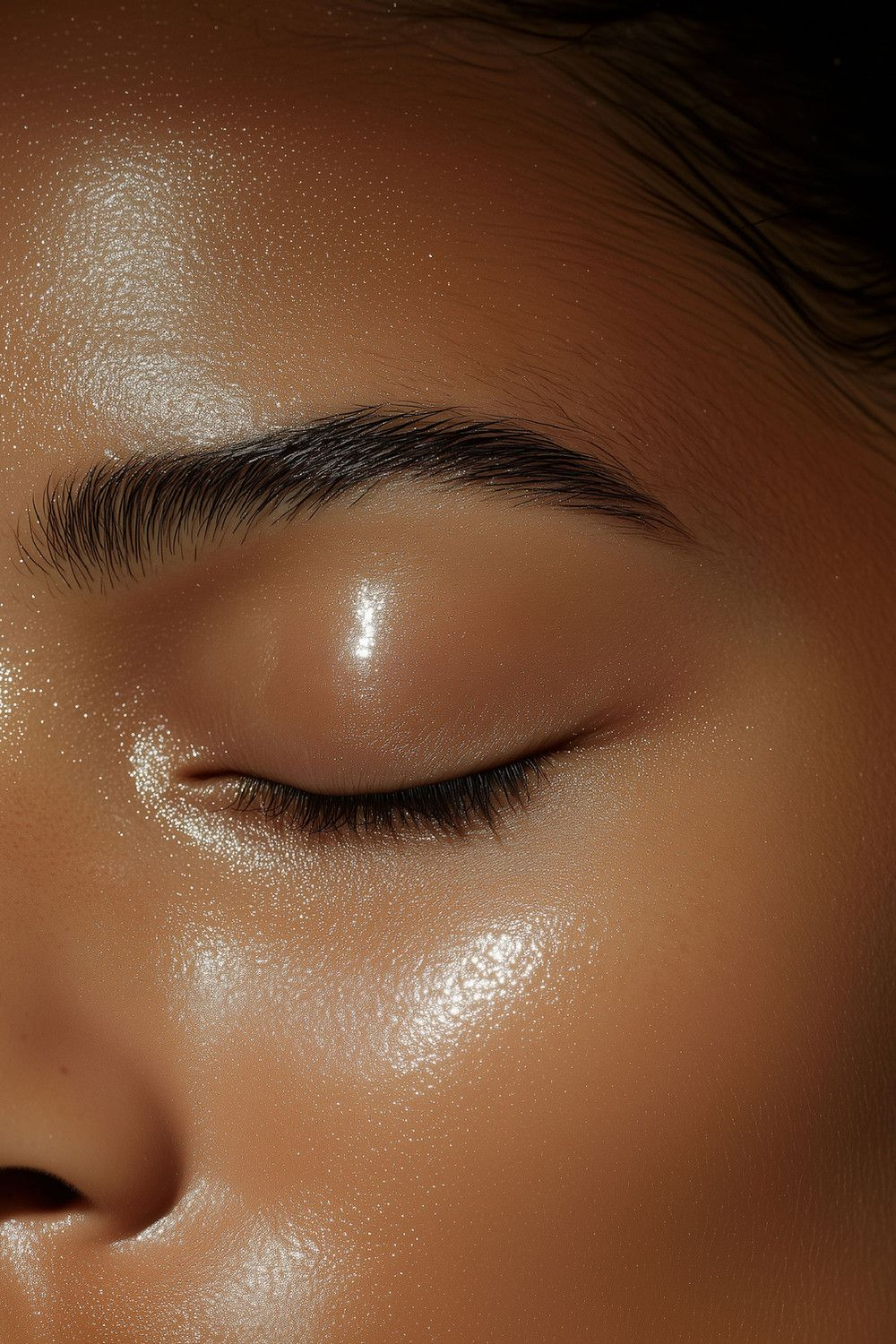
Most people think collagen loss only shows up as wrinkles.
That idea sounds simple, but it’s also wildly incomplete. Collagen doesn’t just sit in your face waiting to betray you in your thirties. It quietly supports your skin, joints, hair, nails, gut lining, and even blood vessels.
In fact, collagen makes up about 30% of the total protein in the human body. Your body uses it as a structural framework. Imagine the steel beams inside a skyscraper. Remove a few of those beams and the building still stands, but it slowly starts to shift, sag, and crack.
Your body behaves in a similar way when collagen levels drop.
Before we proceed please follow us on pinterest. It means so much to us!
The tricky part? Low collagen rarely announces itself loudly at first. It starts with small, subtle changes that people dismiss as stress, bad sleep, or “just getting older.”
But once you understand what to look for, the signs become obvious.
So let’s talk about them.
Here are 10 clear signs your overall collagen levels may be low, and why they happen.
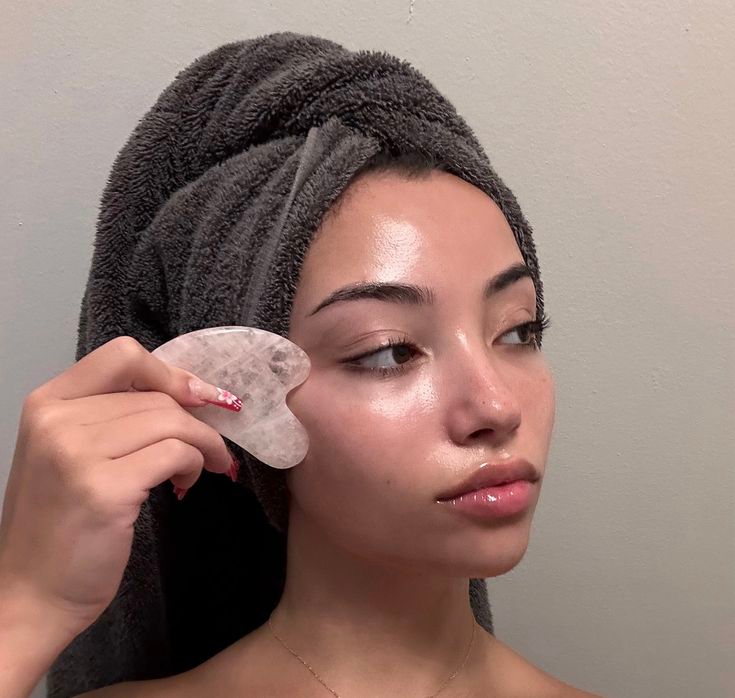
1. Your Skin Looks Thinner Than It Used To
Have you ever looked at your skin in natural light and noticed it looks slightly… fragile?
Not wrinkled exactly. Just thinner.
That happens because collagen gives skin its density and thickness. When collagen levels drop, the skin loses its firm structure. It starts to look delicate and almost translucent.
You might notice:
- Veins appearing more visible
- Skin bruising more easily
- Makeup settling strangely
Your skin basically loses its internal scaffolding.
Think of collagen as the mattress springs beneath your skin. When the springs weaken, the surface starts to sag and shift. Not exactly ideal.
2. Fine Lines Appear Faster Than You Expected
Fine lines often show up earlier when collagen levels drop.
Here’s why.
Collagen fibers create a tight network that keeps skin smooth and resilient. When the body produces less collagen, that network loosens.
The skin can’t bounce back as quickly when you smile, squint, or frown.
Over time, those repeated expressions leave tiny creases behind.
The most common early spots include:
- Around the mouth
- Under the eyes
- Forehead lines
- Smile lines
Ever wondered why some people wrinkle faster than others? Collagen production plays a huge role.
3. Your Skin Takes Longer To Bounce Back
Try this simple test.
Gently pinch the skin on the back of your hand. Then release it.
Does it snap back immediately? Or does it take a second?
When collagen levels stay healthy, skin rebounds quickly because collagen fibers support elasticity.
When collagen declines, the skin responds more slowly.
This phenomenon is called reduced skin elasticity, and dermatologists often use it as a visible marker of collagen loss.
It doesn’t mean your skin suddenly collapsed overnight. It simply signals that the structural proteins underneath the surface have weakened.
4. Your Hair Feels Thinner or Breaks More Easily
People rarely connect collagen and hair, which feels slightly absurd considering how closely they interact.
Collagen supports the dermis layer of the scalp, where hair follicles live. Strong collagen structures create a healthier environment for follicles.
When collagen levels drop, several things can happen:
- Hair strands weaken
- Breakage increases
- Hair growth slows
- Hair feels thinner overall
FYI, collagen also contains amino acids like proline and glycine, which help build keratin, the main protein in hair.
Less collagen means fewer building blocks for strong hair.
And nobody signs up for fragile strands.
5. Your Joints Feel Stiffer Than Before
This sign surprises many people.
Collagen doesn’t only support skin. It also forms cartilage, the cushioning tissue between your joints.
When collagen levels decline, cartilage becomes weaker and thinner.
That change can lead to:
- Stiff knees
- Achy shoulders
- Reduced flexibility
- Joint discomfort during movement
Have you ever stood up and felt a strange stiffness in your joints even though you didn’t exercise intensely?
Low collagen sometimes plays a role in that.
The body simply loses some of its natural shock absorption.
6. Your Nails Break or Peel Easily
Healthy nails require strong protein structures.
Collagen supports the nail bed and provides amino acids that strengthen nail growth.
When collagen drops, you might notice:
- Nails splitting easily
- Thin, fragile nails
- Peeling layers
- Slow nail growth
This sign often appears quietly.
Someone might assume frequent hand washing caused it, or maybe harsh nail polish remover. Sometimes those factors matter, but collagen deficiency often hides behind fragile nails.
Small sign. Big clue.
7. Your Skin Heals More Slowly
Have you ever noticed a small cut or blemish taking forever to disappear?
Collagen plays a major role in wound healing.
When the body repairs damaged skin, it builds new collagen fibers to rebuild tissue. If collagen production slows down, the repair process becomes sluggish.
You might observe:
- Acne marks lingering longer
- Cuts taking longer to close
- Scratches healing slowly
IMO, this sign feels one of the most telling indicators of collagen decline.
Your skin simply struggles to rebuild itself efficiently.
8. Your Face Starts Losing Its Natural Volume
People often blame fat loss alone when the face changes shape with age.
Fat loss does contribute, but collagen loss plays a massive role too.
Collagen provides structural support beneath the skin. As collagen fibers weaken, the skin gradually loses firmness.
This change leads to:
- Slightly hollow cheeks
- Less defined jawline
- Mild sagging near the mouth
- Skin that looks less “plump”
The transformation happens slowly, which makes it easy to overlook.
But collagen loss quietly shifts facial structure over time.
9. You Notice More Cellulite
Cellulite happens when fat pushes through weakened connective tissue under the skin.
And guess what that connective tissue contains?
Collagen.
Strong collagen fibers keep the skin surface smooth and tight. Weak collagen allows fat deposits to push upward, creating that uneven texture.
This doesn’t mean cellulite equals poor health. Not at all.
However, declining collagen can make cellulite more noticeable.
The connective tissue simply loses its strength.
10. Your Skin Looks Dull Even When You Care For It
This sign frustrates people the most.
You use good skincare. You moisturize regularly. You drink water. Yet your skin still looks slightly tired.
Why?
Collagen supports the skin’s structural integrity, which affects how light reflects off the surface.
When collagen declines:
- Skin becomes uneven
- Texture looks rougher
- Light reflection decreases
The result looks like dullness.
Healthy collagen gives skin that subtle glow people often describe as “bouncy” or “alive.”
Without it, the complexion can appear flat.
:/ Not exactly the radiant effect most people want.
Why Collagen Levels Drop In The First Place
Now you might wonder something important.
Why does collagen decline so easily?
Several factors influence collagen production.
Natural Aging
Your body starts producing about 1% less collagen every year after your mid twenties.
That gradual decline adds up over decades.
Sun Exposure
UV radiation breaks down collagen fibers faster than almost anything else.
Dermatologists often call sunlight the biggest external collagen destroyer.
Sugar Consumption
Excess sugar triggers a process called glycation, where sugar molecules damage collagen fibers.
Yes, your dessert habit occasionally wages a tiny war on your skin structure.
Smoking
Smoking introduces toxins that weaken collagen production and slow skin repair.
The effect accumulates over time.
Poor Nutrition
Collagen synthesis requires specific nutrients.
Your body struggles to build collagen without:
- Vitamin C
- Zinc
- Copper
- Amino acids
Diet matters more than many people realize.
How To Support Healthy Collagen Levels
Spotting low collagen signs helps, but supporting collagen production matters even more.
Here are a few practical ways to help your body maintain stronger collagen levels.
Eat Collagen Supporting Foods
Your body builds collagen using amino acids and nutrients from food.
Helpful options include:
- Bone broth
- Fish
- Eggs
- Citrus fruits
- Leafy greens
- Berries
Vitamin C plays a particularly crucial role in collagen synthesis.
Protect Your Skin From The Sun
Sunscreen protects collagen fibers from UV damage.
Even simple daily SPF use dramatically slows collagen breakdown.
Consider Collagen Supplements
Many people now take collagen peptides in:
- Powders
- Drinks
- Gummies
Research shows collagen supplements may support skin elasticity and hydration over time.
Not magic. But definitely helpful.
Use Skincare That Stimulates Collagen
Certain ingredients encourage collagen production in the skin.
Popular options include:
- Retinol
- Vitamin C serums
- Peptides
- Niacinamide
These ingredients signal the skin to produce more collagen gradually.
Conclusion
Collagen loss doesn’t arrive dramatically. It sneaks in quietly.
A little thinning skin here. A few slower healing marks there. Slightly weaker hair or nails. Individually, those signs look harmless. Together, they tell a bigger story.
Your body relies heavily on collagen to maintain strength, structure, and resilience.
The good news? You can support collagen production through nutrition, sun protection, and thoughtful skincare.
So the next time your skin behaves differently, ask yourself a simple question.
Could your collagen levels be trying to tell you something?
Sometimes your body whispers before it shouts 🙂