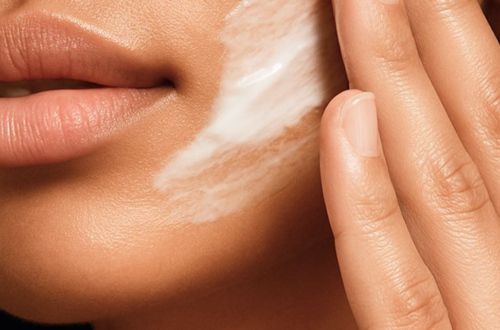
Ever noticed how your body skin can feel like sandpaper in the middle of winter, even if your face is glowing? Most people obsess over facial skincare but completely ignore the rest of their body. Here’s a little-known fact: your body needs just as much hydration and care as your face, maybe even more because it’s thicker and exposed to more environmental stress.
If you’ve ever struggled with dry elbows, rough knees, flaky arms, or stubborn dry patches, this guide is for you. I’m breaking down the ultimate hydrating body skincare routine that actually works and won’t feel like a chore. Trust me, with a few tweaks and the right products, your skin can go from desert-dry to luxuriously soft.

Before we get into the main deal, I want to share a quick announcement.

Shop, free product, follow us on pinterest.
Why Hydration Matters for Body Skin
The Role of Your Skin Barrier
Your skin barrier is like a moisture shield. When it’s intact, it locks in hydration, protects against bacteria, pollution, and irritation. But dry, flaky skin is a sign your barrier is compromised.
Key signs your skin is dehydrated:
- Flakiness or rough texture
- Itchy patches or tightness
- Dull or lackluster tone
- Cracks on elbows, knees, or heels
Ignoring body hydration doesn’t just feel uncomfortable, it can actually lead to long-term damage and premature aging.
Why Face Products Don’t Cut It
Face creams are lightweight and formulated for delicate facial skin. They don’t provide enough occlusive power for tougher areas like elbows, knees, or legs. Using a facial moisturizer on your body is like putting a thin raincoat over a desert, you’ll still feel dry. nIf you want to read about hydration for face, peep the article below.
Step 1: Start With a Gentle Cleanser
Why Shower Gels Aren’t Always Enough
Regular soaps and shower gels can strip natural oils, leaving your skin tight and dehydrated. You need something hydrating, pH-balanced, and creamy.
Best options include:
- Cream-based body washes – Rich in glycerin or oils
- Syndet bars – Synthetic detergents that are gentle and moisturizing
- Oatmeal or honey-based cleansers – Soothing for sensitive or itchy skin
Pro tip: Avoid hot water, it accelerates moisture loss. Lukewarm showers are your skin’s new best friend.
Step 2: Exfoliate Smartly
Why Exfoliation Matters
Dead skin cells block moisturizers from penetrating deeply. But here’s the catch: over-exfoliation can backfire, making your skin even drier and irritated.
Tips for safe body exfoliation:
- Use a gentle scrub 1–2 times a week
- Consider chemical exfoliants like lactic acid for rough patches
- Focus on dry areas—elbows, knees, and feet
Think of exfoliation as clearing the runway for hydration. Without it, your moisturizers just sit on the surface
Step 3: Hydrate While Skin is Damp
Locking in Moisture
The secret to intense hydration: apply moisturizer immediately after showering while skin is still slightly damp. This traps water and prevents evaporation.
Effective ingredients to look for:
- Glycerin and hyaluronic acid – Attract and retain water
- Ceramides – Rebuild the skin barrier
- Urea – Softens thick, rough patches
- Aloe vera – Soothes irritation
Avoid products with heavy fragrances or alcohol, they can dry your skin further.
Step 4: Seal With Oils or Butters
Why Occlusives Are Essential
Moisturizers hydrate, but occlusives seal that moisture in. Think of them as a protective layer over your skin barrier.
Top picks:
- Shea butter – Rich, creamy, and deeply nourishing
- Cocoa butter – Perfect for evening out rough texture
- Jojoba or argan oil – Lightweight yet effective
- Squalane – Non-greasy and hydrating
Pro tip: Layering works best, moisturizer first, occlusive second. This combination is basically a hydration super boost.
Step 5: Target Stubborn Dry Spots
Some areas just need extra TLC. Elbows, knees, heels, and cuticles often resist regular moisturizers.
Spot treatments:
- Thick balms or ointments – Use on elbows and knees at night
- Foot creams with urea or glycerin – Keep heels soft
- Cuticle oil – Prevents cracking and roughness around nails
Targeted hydration prevents flaky patches from spreading and keeps the skin uniform and supple.
Step 6: Nighttime Care Is Crucial
Hydration doesn’t stop when you step out of the shower. Nighttime is when your skin repairs itself most efficiently, so a dedicated night routine is key.
Nighttime routine:
- Warm shower or bath
- Gentle exfoliation (if scheduled for that day)
- Hydrating body cream or lotion
- Seal with oil or butter on rough spots
- Cotton pajamas to help retain moisture
Sleeping in dry conditions? Consider a humidifier. It prevents your skin from losing moisture overnight.
Step 7: Don’t Forget Sun Protection
Yes, SPF isn’t just for the face. Your body needs protection from UV damage, which can dry out and age skin prematurely.
- Apply broad-spectrum SPF 30+ to exposed areas
- Reapply if outside for more than two hours
- Hats and lightweight protective clothing work wonders
Hydration and sun protection go hand-in-hand to keep your skin smooth and youthful.
Step 8: Support Hydration From the Inside
Water, diet, and lifestyle play a huge role in how hydrated your skin looks and feels.
- Stay hydrated – Aim for 2–3 liters of water daily
- Eat omega-3 rich foods – Salmon, flaxseeds, and walnuts support skin barrier function
- Limit alcohol and caffeine – Both can dehydrate skin
- Exercise – Increases circulation, delivering nutrients to your skin
External care only works if your body is hydrated from within.
Step 9: Adjust Seasonally
Skin changes with the weather, so your routine should too:
- Winter – Heavier creams, body butters, and occlusive oils
- Summer – Lightweight lotions and gel moisturizers for comfort
- Humid climates – Focus on hydration without heavy layering
- Dry climates – Prioritize occlusives to lock in moisture
Seasonal adjustments prevent dryness and irritation year-round.
Common Mistakes That Ruin Body Hydration
Mistake 1: Skipping Moisturizer After Shower
Even the fanciest moisturizer won’t help if you wait until your skin is dry. Apply immediately after bathing.
Mistake 2: Over-Exfoliating
Scrubbing daily can strip natural oils, weakening the barrier. Stick to 1–2 times per week.
Mistake 3: Ignoring Rough Patches
Elbows, knees, heels, these areas need extra attention or they’ll stay rough no matter how often you hydrate.
Mistake 4: Using Harsh Soaps
Strong detergents strip moisture. Always choose hydrating cleansers.
Final Thoughts
A hydrating body skincare routine isn’t complicated, but it does require consistency. Cleanse gently, exfoliate wisely, hydrate deeply, seal moisture, protect from the sun, and support from within.
Your skin doesn’t just look better, it feels softer, more resilient, and healthier overall. Once you follow this routine, you’ll notice the difference in days, not months. Smooth, glowing skin from head to toe is absolutely achievable, and trust me, your body deserves this level of care.