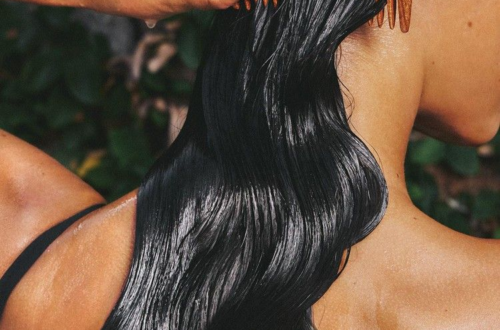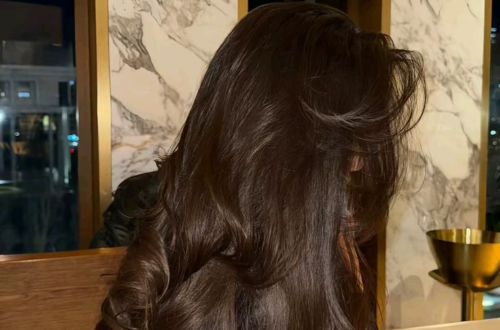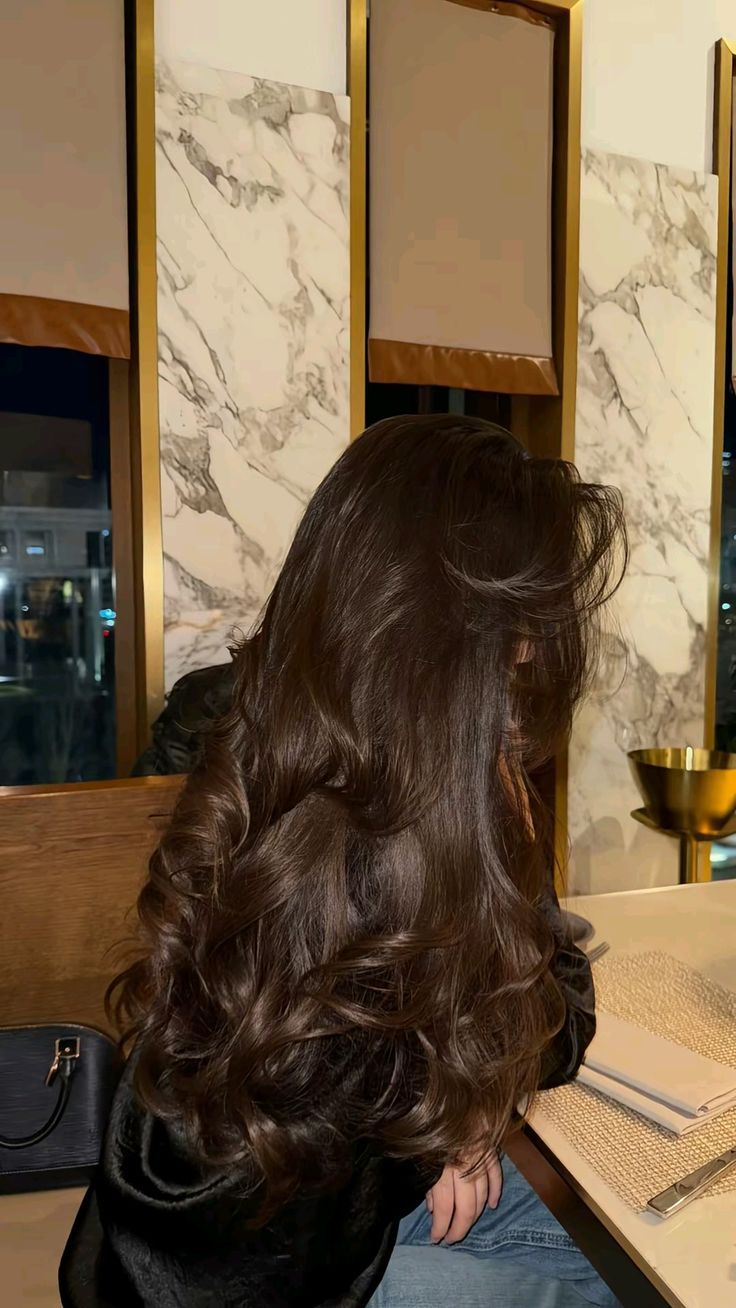
To be honest. You can buy the most expensive shampoo in the world, but if you go to bed with dry, tangled, unprotected hair… you sabotage your progress overnight.
I learned this the hard way. I focused so much on wash day that I ignored what happened for the other six nights of the week. Once I fixed my night routine for healthy long hair, my breakage dropped, my ends looked better, and my hair actually started retaining length.
If you have straight or wavy hair (1A–2B) and you want longer, healthier strands, this routine keeps things simple, effective, and realistic.
Let’s get into it.
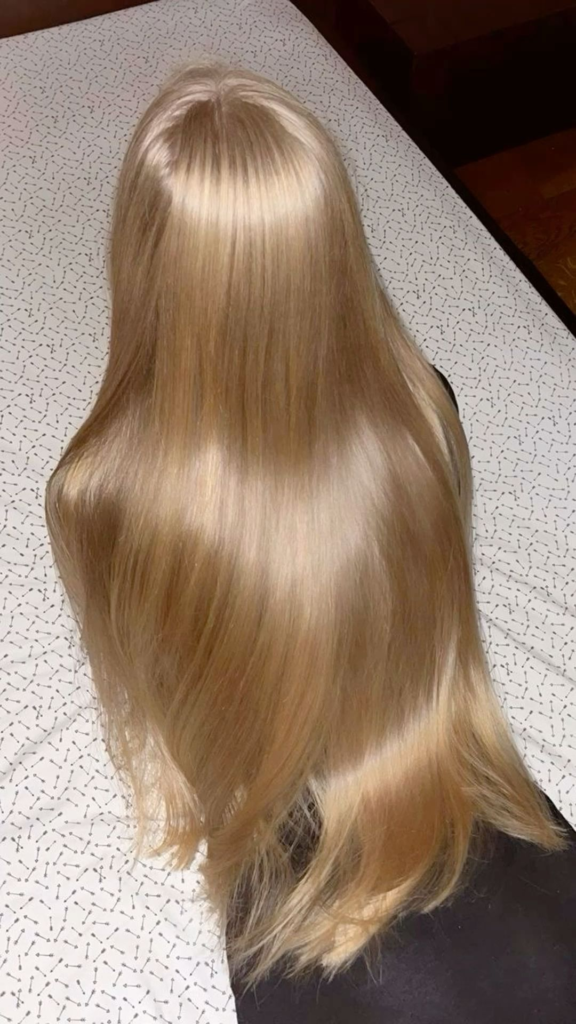
Why Your Night Routine Matters More Than You Think
Your hair rubs against your pillow for 6–8 hours.
That friction causes:
- Breakage
- Split ends
- Frizz
- Moisture loss
Ever wake up with random knots at the nape of your neck? That is friction damage.
A proper night routine for long hair protects your strands while you sleep. Think of it as damage prevention instead of damage control.
Step 1: Start With Gentle Detangling
Never go to bed with tangled hair. I repeat. Never.
Tools You Need
- Wide-tooth comb
- Or a flexible detangling brush
- Optional: light leave-in conditioner
Detangle from the ends upward. Hold your hair above the section you are combing to avoid pulling at the roots.
If your hair feels dry, apply a pea-sized amount of leave-in conditioner before detangling. Straight and wavy hair does not need heavy layering at night.
Keep it light.
Step 2: Light Hydration (Not a Full Oil Soak)

Straight and wavy hair gets weighed down easily. You do not need to drench your hair in oil every night.
Best Oils for Straight & Wavy Hair
Use lightweight oils like:
- Argan oil
- Jojoba oil
- Grapeseed oil
- Sweet almond oil
These oils absorb quickly and do not suffocate your strands.
Avoid heavy oils like castor oil for nightly use. Save those for scalp treatments.
How Much to Use?
- 1–3 drops total
- Rub between palms
- Smooth over mid-length and ends
Your hair should feel soft, not greasy. If your pillow stains, you used too much. Let us not do that.
Step 3: Choose the Right Protective Style
You do not need complicated braids.
For straight and wavy hair, simple works best.
Option 1: Loose Low Braid

A loose braid:
- Prevents tangling
- Reduces friction
- Maintains slight wave pattern
Do not braid tightly. Tension causes breakage along the hairline.
Option 2: Loose Low Bun
If your hair stays smooth easily, try:
- A loose bun at the nape
- Secured with a silk scrunchie
Avoid tight elastics. They snap hair over time.
Option 3: The “Silk Wrap”
If your hair is shorter or layered, simply:
- Smooth it back
- Wrap with a silk scarf
Simple protection beats over styling.
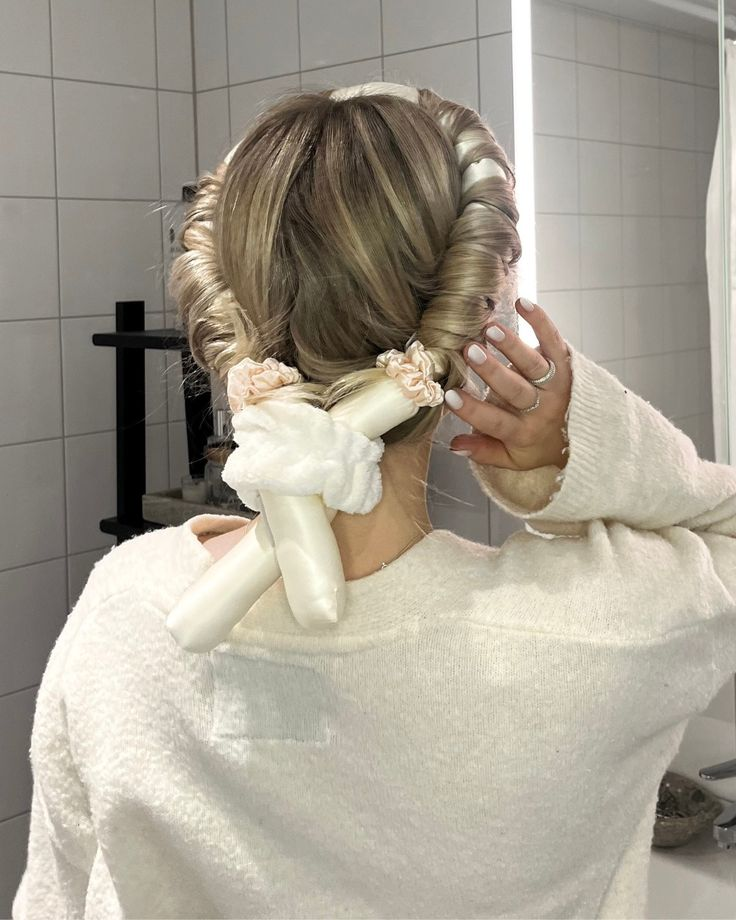
Option 4: The heatless curls
Step 4: Upgrade Your Pillow Situation
Cotton pillowcases absorb moisture and create friction. That equals dryness and frizz.
Switch to:
- Silk pillowcases
- Or satin pillowcases
This one change improved my hair instantly. I noticed less frizz in one week.
Silk reduces:
- Moisture loss
- Static
- Friction damage
Small change. Big difference.
Step 5: Scalp Care (Optional 1–2x Weekly)
Your scalp determines your growth.
You do not need daily oiling. Straight and wavy hair can get greasy fast.
Light Scalp Massage
1–2 times weekly:
- Apply a few drops of lightweight oil to your fingertips
- Massage your scalp for 3–5 minutes
This increases circulation and distributes natural oils.
If you want a richer treatment, use:
- Rosemary oil diluted in carrier oil
- Or a light pre-wash oil treatment
Keep heavy oiling for nights before wash day.
Tools That Actually Help

You do not need a drawer full of gadgets.
Here is what I actually use:
- Wide-tooth comb
- Silk scrunchies
- Satin pillowcase
- Lightweight hair oil
- Optional: microfiber towel
That is it.
People overcomplicate hair routines. Healthy long hair comes from consistency, not 14 products.
What to Avoid at Night
If you want length retention, stop doing these.
- Sleeping with wet hair
- Tight high ponytails
- Rough brushing before bed
- Heavy oil layering nightly
Sleeping with wet hair weakens the hair shaft. It stretches and snaps more easily.
Ever wake up with that weird stretched, frizzy texture? That is moisture imbalance.
Straight vs Wavy Hair Adjustments
Even within straight and wavy hair, you should tweak slightly.
Straight Hair (1A–1C)
- Use minimal oil
- Focus on smoothing
- Low bun or wrap works best
Straight hair shows oil quickly, so keep products lightweight.
Wavy Hair (2A–2B)
- Use slightly more leave-in
- Braid to preserve wave
- Light scrunch before bed
Wavy hair benefits from structure overnight.
You do not need full curl routines. Keep it balanced.
Weekly Deep Care Add On
Once weekly, elevate your night routine.
Pre-Wash Oil Treatment
Apply oil to:
- Scalp
- Mid-length
- Ends
Leave on for:
- 30 minutes minimum
- Or overnight before wash day
Oils like:
- Coconut oil (if your hair tolerates it)
- Argan oil
- Sweet almond oil
This strengthens strands and reduces protein loss.
Do this before wash day, not randomly midweek.
The Real Secret to Long Hair
Let me say this clearly.
Length comes from retention, not speed.
Your hair already grows. The issue is breakage.
A proper night routine:
- Protects ends
- Reduces friction
- Maintains moisture
- Prevents split ends
You cannot grow long hair if you snap it off nightly.
Consistency beats intensity every time.
How Long Does This Take?
Let us time it realistically.
- Detangle: 2–3 minutes
- Light oil: 30 seconds
- Braid or bun: 1–2 minutes
- Scarf or pillow prep: 30 seconds
Total: under 5 minutes.
That is manageable. Even on lazy nights.
Conclusion
The best night routine for healthy long hair does not require complicated steps. It requires:
- Gentle detangling
- Light hydration
- Protective styling
- Low friction sleep setup
Keep it simple. Stay consistent. Protect your ends