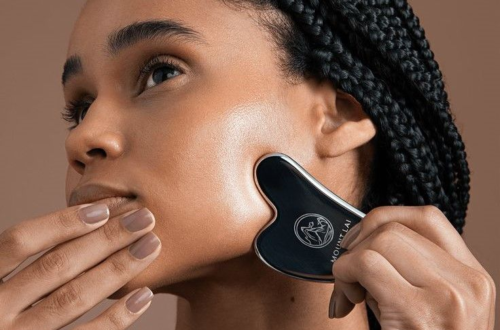
When you think of chemical peels, your mind probably jumps straight to the face… glowy skin and maybe some peeling over a few days. But let’s be real: your body deserves some love too. Arms, legs, chest, and even your back can benefit from chemical peels, especially if you’re dealing with hyperpigmentation, rough skin, or those stubborn KP bumps.
Body chemical peels are a real skincare treatment that can transform neglected areas. So, if you’ve ever wondered whether this is worth trying, stick around. I’ve broken it all down for you, from when you might actually need one to how it’s done, and why people swear by it.
What Is a Body Chemical Peel?
A chemical peel is a treatment that uses specific acids to exfoliate the top layer of skin. This encourages cell turnover, revealing smoother, brighter skin underneath.
On the body, chemical peels can help with:
Follow us on pinterest to support us, it means a lot.
- Hyperpigmentation: Dark spots from acne, friction, or sun damage
- Keratosis pilaris (KP): Those tiny bumps on arms, thighs, or even back
- Rough or dry patches: Knees, elbows, and heels often need some extra care
- Sun-damaged skin: UV exposure can discolor the skin over time
Unlike facial peels, body peels tend to be stronger because the skin is thicker and less sensitive. That doesn’t mean they’re harsh, they just need proper technique and care.
When Might You Need a Chemical Peel for the Body?
Not everyone needs a body peel, but here are the signs it might be time to consider one:
- Persistent KP or bumps on arms or thighs that won’t improve with creams or exfoliants
- Dark spots or uneven tone caused by friction, scars, or acne marks
- Rough, dry patches on elbows, knees, or legs that refuse to smooth out
- Sun-damaged areas with blotchy pigmentation or early aging signs
If any of these sound familiar, a chemical peel could be the extra boost your skin needs to repair and rejuvenate itself. Think of it as giving your skin a reset button for areas you often forget to treat.
How a Body Chemical Peel Works
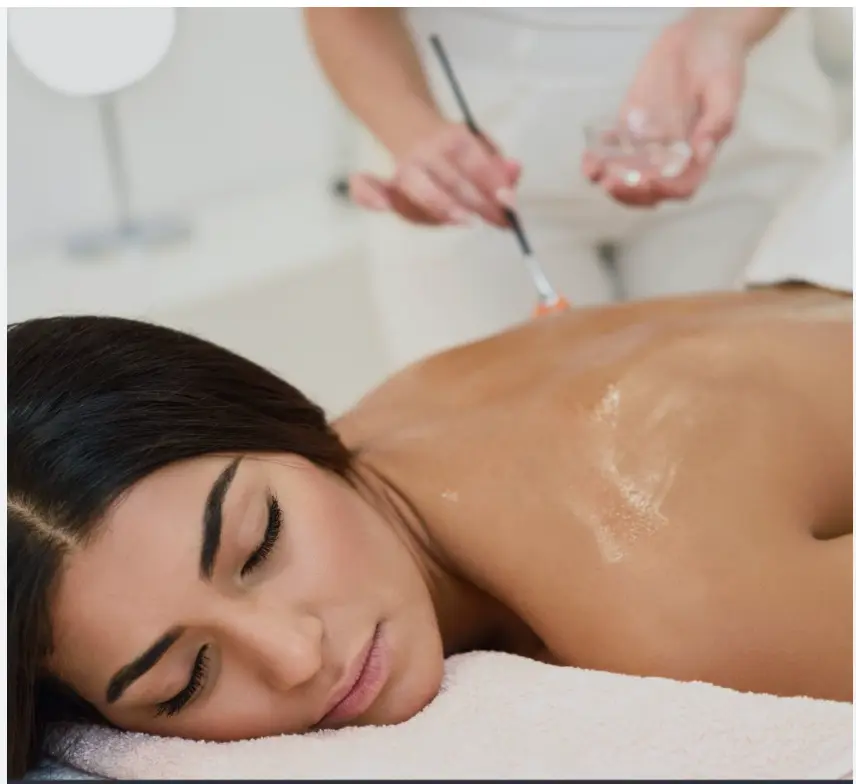
A body peel is a little different from a facial peel because it involves larger, thicker areas. Here’s the process:
- Cleansing: The area is thoroughly cleaned to remove oils, dirt, and dead skin.
- Application: The chosen acid is applied evenly to the target area.
- Waiting period: The peel is left on for a few minutes to allow the acids to work.
- Neutralizing: Some peels require a neutralizer to stop the acid, while others self-neutralize.
- Aftercare: Moisturizers, gentle cleansers, and strict sun protection are applied.
During the peel, you might feel mild tingling or warmth, but pain should be minimal. Recovery depends on the peel’s strength—usually a few days to a week.
Common Acids Used for Body Peels
Different acids target different issues. Here are the most commonly used ones:
- Glycolic Acid: Brightens the skin and smooths rough texture
- Salicylic Acid: Great for unclogging pores and treating KP bumps
- Lactic Acid: Hydrating and mild, ideal for sensitive body areas
- Trichloroacetic Acid (TCA): Stronger peel for serious pigmentation or sun damage
Each acid has a purpose, and a professional can determine which one is best for your skin type and concerns.
Benefits of Body Chemical Peels
Body peels can do more than just look nice—they transform the feel and health of your skin. Benefits include:
- Even skin tone: Reduces dark spots and blotchiness
- Smoother texture: Goodbye rough patches and bumpy arms
- Better skincare absorption: Moisturizers and oils penetrate more effectively
- Boosted confidence: Clearer, more radiant skin can make you feel amazing
I’ve seen people rave about chest and arm peels for evening out stubborn pigmentation. The results aren’t instant, but they’re real. Smooth, glowing skin isn’t just a facial luxury, it’s full-body self-care.
What to Expect After a Body Peel
After a peel, your skin might look or feel a bit:
- Pink or flushed
- Slightly tight or dry
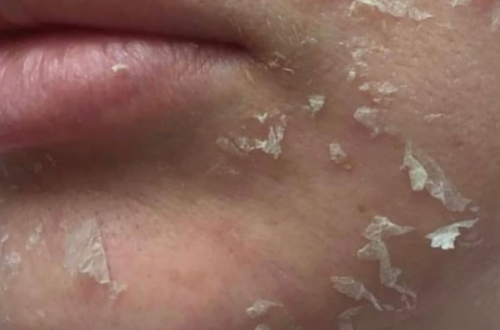
- Peeling or flaking gently
This is completely normal. Your skin is renewing itself, and post-peel care is critical:
- Avoid sun exposure and always use SPF
- Skip scrubs or harsh cleansers for at least a week
- Keep skin moisturized with gentle, hydrating products
Consistency is key. Multiple sessions are often needed to achieve the best results, especially for stubborn pigmentation or severe KP.
Cost of Body Chemical Peels
Of course, we can’t discuss chemical peels without adding the costs. The price of a body chemical peel depends on the type of peel, the area being treated, and the clinic you choose. Light or superficial peels usually range from $100 to $300 per session, while medium peels can cost between $300 and $600. Deep peels, designed for stubborn acne scars, pigmentation, or rough texture, may go from $700 up to $1,500 or more per session. Larger areas like the back, legs, or full arms tend to be pricier than smaller spots such as underarms or knees. Most people need multiple sessions for noticeable results, so it’s important to consider the total cost over time rather than thinking of it as a one-off expense.
Things to Keep in Mind
While body chemical peels can be life-changing, there are a few things to remember:
- Professional supervision is recommended: Stronger acids require proper application
- Not suitable for sensitive or irritated skin: Wait until your skin calms down
- Avoid aggressive exfoliation post-peel: Your skin is fragile during recovery
- Patience pays off: One session rarely solves everything
The goal is to repair and rejuvenate, not shock your skin. Think of it as gentle but intentional care for areas that rarely get attention.
My Take on Body Chemical Peels
I’ve seen people transform their KP-prone arms, sun-damaged chests, and hyperpigmented backs with body chemical peels. The change isn’t always dramatic overnight, but over a few sessions, skin becomes softer, smoother, and more even in tone.
IMO, a body peel is like giving your skin the attention it deserves beyond the face. It’s practical, effective, and surprisingly relaxing if done right.
Conclusion
Body chemical peels are a real solution for hyperpigmentation, rough patches, KP, and sun-damaged skin. Done safely and consistently, they:
- Smooth texture
- Even skin tone
- Support better hydration
- Boost confidence
and they do this really fast.
If your arms, legs, or chest feel neglected in your skincare routine, a chemical peel might just bridge the gap between rough, uneven skin and a smooth, radiant glow. Your body deserves some skincare love too, it’s self-care.
So if you’ve tried every store-bought chemical exfoliant and nothing has given you the results you were hoping for, your skin still uneven and stubborn, it might be time to consider a more permanent solution. Body chemical peels could be exactly what your skin needs to finally even out, refresh, and glow.