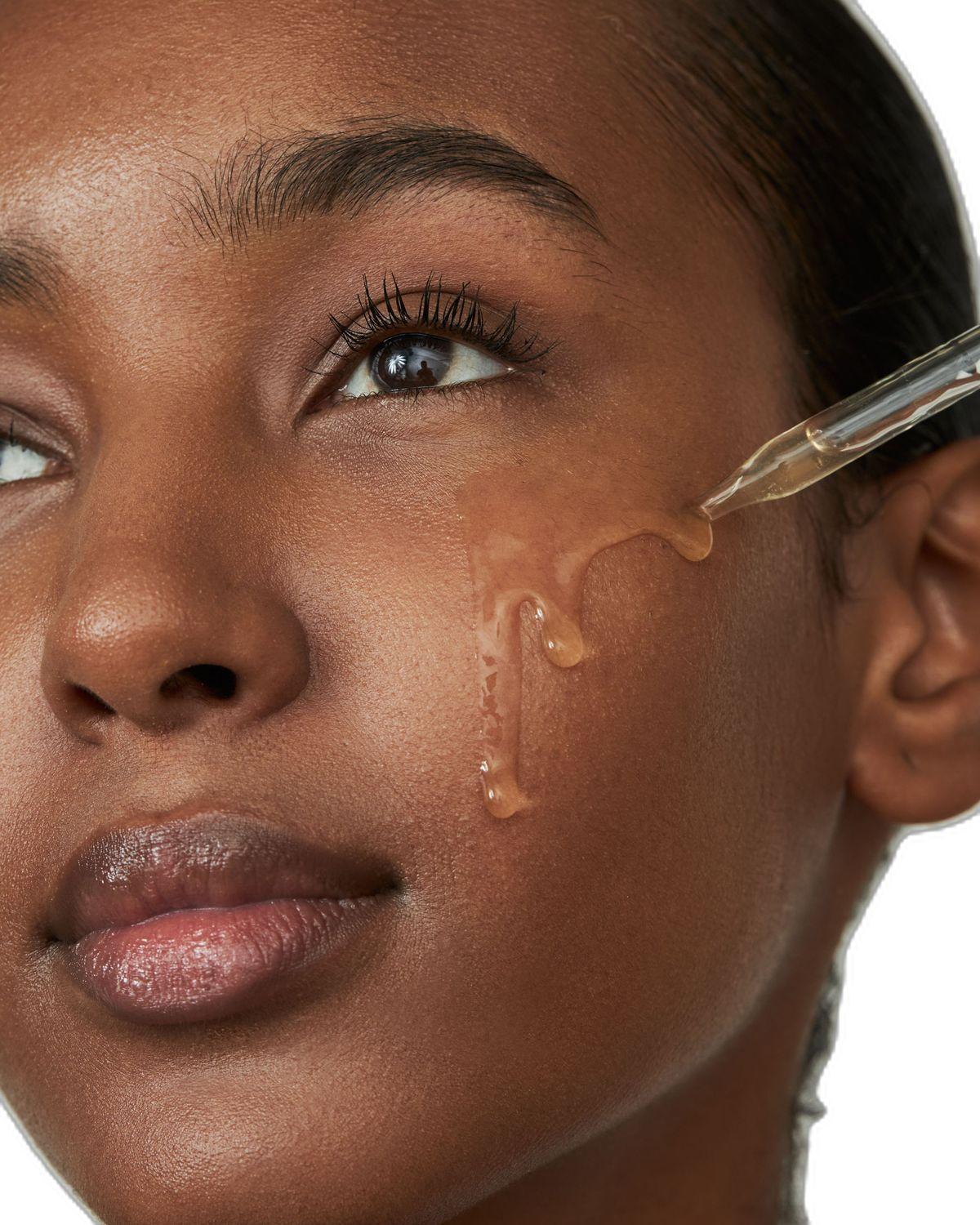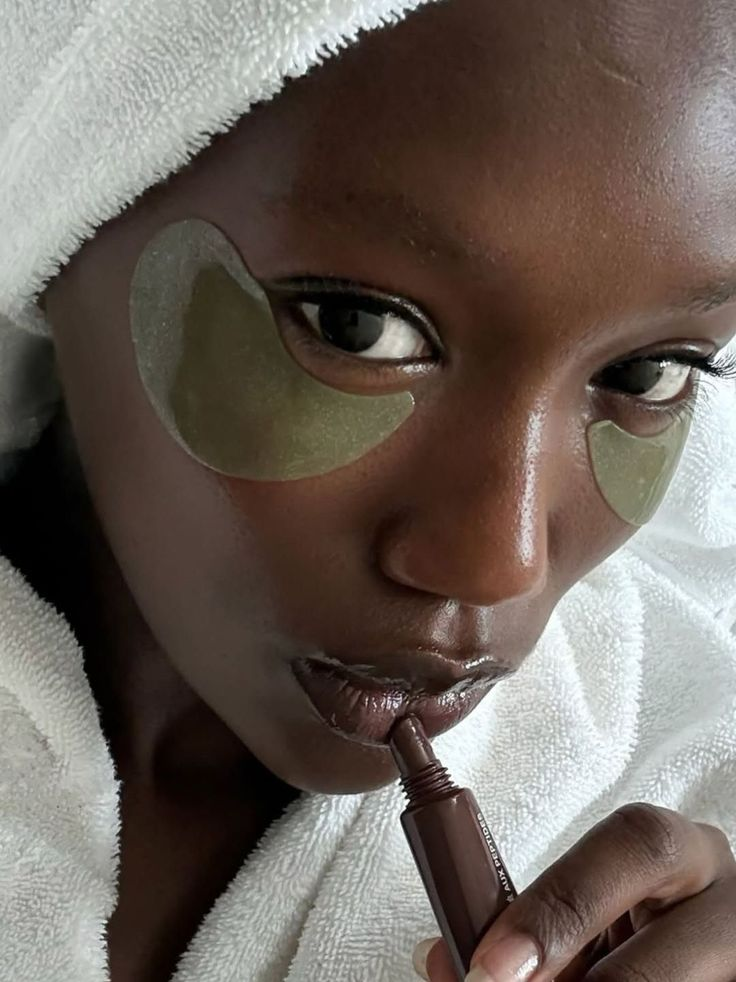
In this blog, we talk about Korean skincare products a lot. We love exploring what works, what doesn’t, and what ingredients are actually worth your money. Recently, I came across a video of an African girl saying that Korean skincare doesn’t work on darker skin tones. That got me curious, and I decided to do some research to see whether these products really deliver for melanin-rich skin. The answer? It’s nuanced. Let’s break it down.

Understanding the Basics: Why Korean Skincare Is Popular
Korean skincare, or K-beauty, isn’t just about cute packaging or trendy products; it’s about layering products for hydration, protection, and gentle care. It focuses on prevention rather than just fixing problems after they appear.
A typical routine looks like this:
- Double cleansing to remove makeup and impurities
- Toners and essences for hydration and prep
- Serums and ampoules for targeted concerns
- Moisturizers to lock everything in
- Sunscreen to protect from UV damage
The main idea is gentle, consistent care, which is why it has such a loyal following.
Common Concerns for Darker Skin Tones
Dark skin has its own unique characteristics:
- More melanin, which gives some UV protection but doesn’t make you immune to sun damage
- Prone to hyperpigmentation, especially after irritation or acne
- Oilier T-zone for some, while other areas can still get dry
Because of these traits, some products may need closer attention to work effectively without causing unwanted dark spots or irritation.

Ingredients That Actually Work
Hydrating Heroes
- Hyaluronic Acid: Locks in moisture without clogging pores
- Glycerin: Helps skin retain water gently
Brightening Ingredients
- Niacinamide: Reduces dark spots and evens out tone
- Vitamin C (stable forms): Improves dullness and uneven pigmentation, but start with lower concentrations
Ingredients to Use Cautiously
- Strong AHAs and BHAs: Can work, but over-exfoliation may trigger hyperpigmentation
- Fragrance and essential oils: Can irritate and worsen pigmentation
Products That Often Translate Well
Many K-beauty products work beautifully for darker skin if they focus on hydration, soothing, and protection:
- COSRX Low pH Good Morning Gel Cleanser – gentle and keeps skin balanced
- Etude House SoonJung 10-Free Moist Emulsion – lightweight hydration without irritation
- Innisfree Green Tea Seed Serum – hydrating and antioxidant-rich
- Klairs Freshly Juiced Vitamin C Serum – brightens without harsh reactions
These products are gentle, avoid harsh irritants, and help prevent hyperpigmentation flares—key for darker skin.
The Role of Sunscreen
No skincare discussion for dark skin is complete without sunscreen. Melanin protects to some degree, but it doesn’t prevent UV damage or dark spots. Many Korean sunscreens are lightweight and hydrating, like Missha All Around Safe Block Soft Finish Sun Milk. Daily sunscreen use is non-negotiable.
How to Adapt K-Beauty Routines for Dark Skin
1. Start Slowly
Introduce one product at a time to avoid irritation. Patch testing is key.
2. Focus on Hydration
Use toners, essences, and lightweight gels to maintain moisture. Dryness can trigger hyperpigmentation.
3. Avoid Over-Exfoliation
Limit AHAs/BHAs to 1–2 times per week. Overdoing it increases the risk of post-inflammatory hyperpigmentation.
4. Layering Wisely
Apply products from thinnest to thickest: toners → serums → moisturizers → oils → sunscreen.
5. Customize for Your Skin Type
Adjust routines based on oiliness, sensitivity, and pigmentation concerns rather than copying blindly.
Common Misconceptions
- “Korean skincare is only for fair skin” – The philosophy works for all skin tones when adapted
- “Brightening products bleach skin” – Brightening evens tone and reduces dark spots, it doesn’t whiten your natural skin
- “All K-beauty products are fragrance-free” – Many include scents or essential oils. Darker skin prone to hyperpigmentation should avoid irritants
Personal Experience: What Works
From my experience, layering K-beauty products while being mindful of darker skin gives noticeable results:
- Skin feels hydrated and plump within a week
- Dark spots fade gradually with niacinamide
- Daily sunscreen prevents new pigmentation patches
Consistency and moderation are key. Avoid harsh scrubs or strong actives that trigger dark spots.
Routine Example for Dark Skin
Morning:
- Gentle cleanser (COSRX Good Morning Gel)
- Hydrating toner (Klairs Supple Preparation)
- Vitamin C serum (Klairs Freshly Juiced)
- Moisturizer (Etude House SoonJung Emulsion)
- Sunscreen (Missha Soft Finish Sun Milk)
Evening:
- Double cleanse if wearing makeup
- Hydrating toner
- Niacinamide serum
- Lightweight moisturizer
- Optional: Sleeping mask 2–3 times/week
Focus on hydration, gentle treatment, and protection.
Tips to Make It Work
- Patch test every new product
- Observe your skin and adjust frequency
- Be patient; improvements take weeks to months
- Sunscreen daily is crucial
When Korean Skincare Might Not Work for Darker Skin Tones
While K-beauty works well for hydration and facial hyperpigmentation, there are limits:
- Body Hyperpigmentation: K-skincare products often target the face. For darker body areas, oils, butters, or thicker moisturizers may work better.
- Moisture Retention for Body Skin: Lightweight gels and emulsions may not provide enough hydration for arms, legs, or elbows. Consider shea butter, cocoa butter, or body oils.
- Strong Actives: Acids in K-beauty are formulated for gentle facial exfoliation. Using them on thicker or more pigmented body skin may not yield results and could irritate.
In short, K-beauty shines on the face but may need supplementation for body care or stubborn hyperpigmentation outside the facial area.
Bottom Line
Korean skincare can absolutely work for dark skin tones if you:
- Focus on hydration and soothing ingredients
- Avoid irritants that worsen pigmentation
- Use sunscreen consistently
- Customize routines for your skin
- Supplement body care with richer moisturizers and oils
Final Thoughts
Dark skin deserves care tailored to its unique needs. K-beauty isn’t limited by skin tone—it’s about gentle, consistent care. If you adapt the routine, focus on hydration, and protect your skin from the sun, the results speak for themselves. Healthy, glowing skin comes from what your skin actually needs, not the trendiest bottle on the shelf.