I remember the first time I thought about trying a laser skin treatment. I had been frustrated with dark spots, uneven skin tone, and those little scars that never seemed to fade. I watched a couple of online videos, and honestly, I felt a mix of curiosity and anxiety, laser sounds intense, right? But after researching and talking to professionals, I realized laser skin treatments are far more approachable than they seem.
If you’ve been considering a laser session, this guide will walk you through everything: what it is, how it works, preparation, aftercare, and things to watch out for. By the end, you’ll feel confident stepping into your appointment without second-guessing yourself. Remember to ask your aesthetician more questions if you need more clarification.
What Is Laser Skin Treatment?
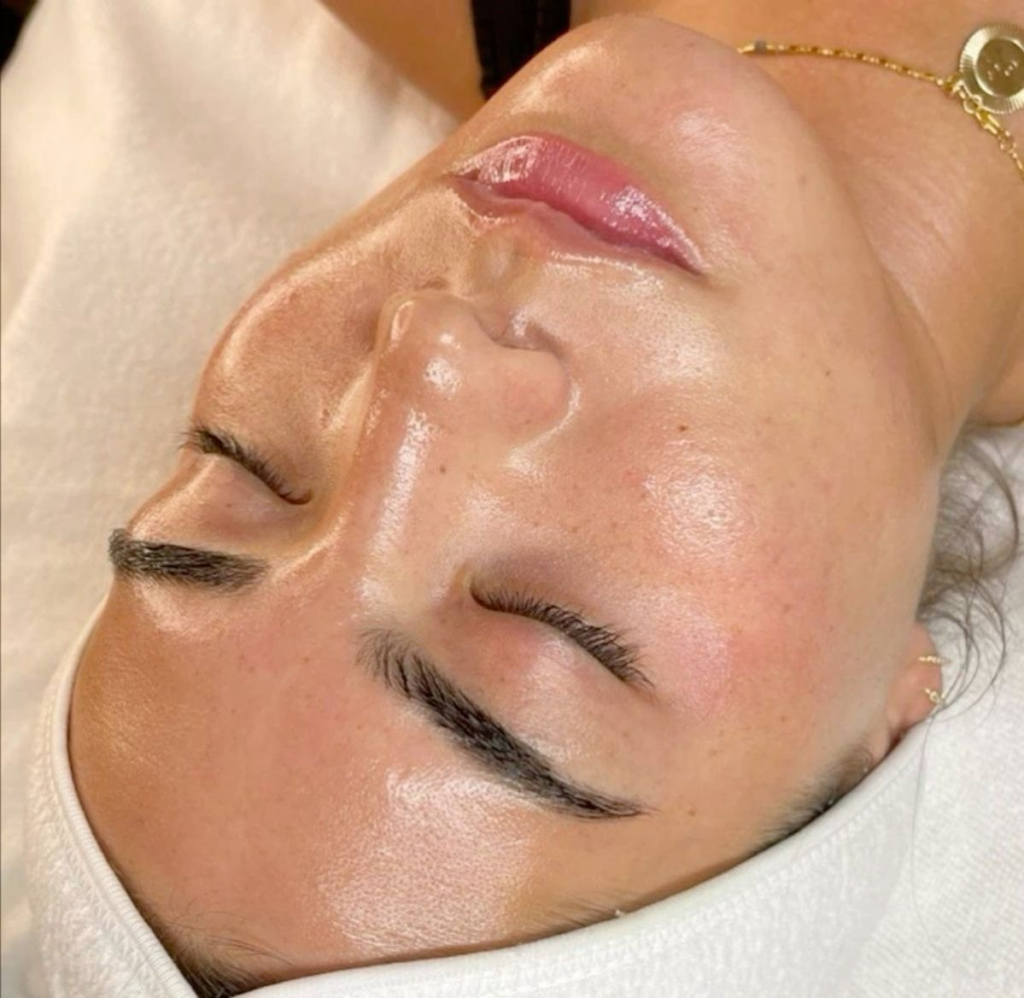
Laser skin treatment uses focused light energy to improve the appearance of your skin. Depending on the type of laser, it can:
- Reduce hyperpigmentation and dark spots
- Smooth fine lines and wrinkles
- Minimize acne scars and sun damage
- Stimulate collagen production for firmer skin
Think of it as a precise skin reset button. The laser penetrates the skin layers without harming the surface and triggers your skin’s natural healing process.
Types of Laser Treatments
Not all lasers are created equal. Some target pigment, some focus on texture, and some stimulate collagen.
- Ablative lasers: Remove layers of skin for deep resurfacing
- Non-ablative lasers: Stimulate collagen without removing skin layers
- Fractional lasers: Treat small sections at a time, reducing downtime
Your dermatologist or technician will guide you on which type suits your skin goals.
Who Can Benefit From Laser Skin Treatment?
Laser skin treatment works for a variety of skin concerns, but not everyone will get the same results.
- Ideal candidates: Individuals with mild to moderate pigmentation, scars, or texture concerns
- Still possible: People with darker skin tones, but the type of laser matters to avoid hyperpigmentation
- Less ideal: Extremely sensitive or very sun-tanned skin may react poorly
A professional consultation is key to knowing what’s realistic for your skin type and tone.
Preparing for Your Laser Skin Treatment
Preparation is critical to minimize risks and maximize results. Here’s how to get ready:
1. Avoid Sun Exposure
Tanned skin is more prone to burns and pigmentation changes. Avoid direct sun or tanning beds for at least two weeks before your session.
2. Skip Harsh Skin Treatments
Hold off on chemical peels, microdermabrasion, or aggressive exfoliation a week before treatment. Your skin needs to be in its natural state for the laser to work safely.
3. Discontinue Certain Skincare Products
Stop using retinoids, acids (like glycolic or salicylic acid), and strong exfoliants 3–5 days before your session. These make your skin more sensitive and prone to irritation.
4. Clean Skin
Arrive with bare, clean skin! no makeup, moisturizers, or oils. Clean skin ensures the laser energy penetrates effectively.
5. Discuss Medications
Some medications make your skin photosensitive or affect healing. Always tell your provider about your medications, including supplements and herbal remedies.
What Happens During a Laser Skin Treatment?
Knowing what to expect reduces anxiety. Most sessions follow a similar routine:
- Consultation: Review your skin concerns and desired results
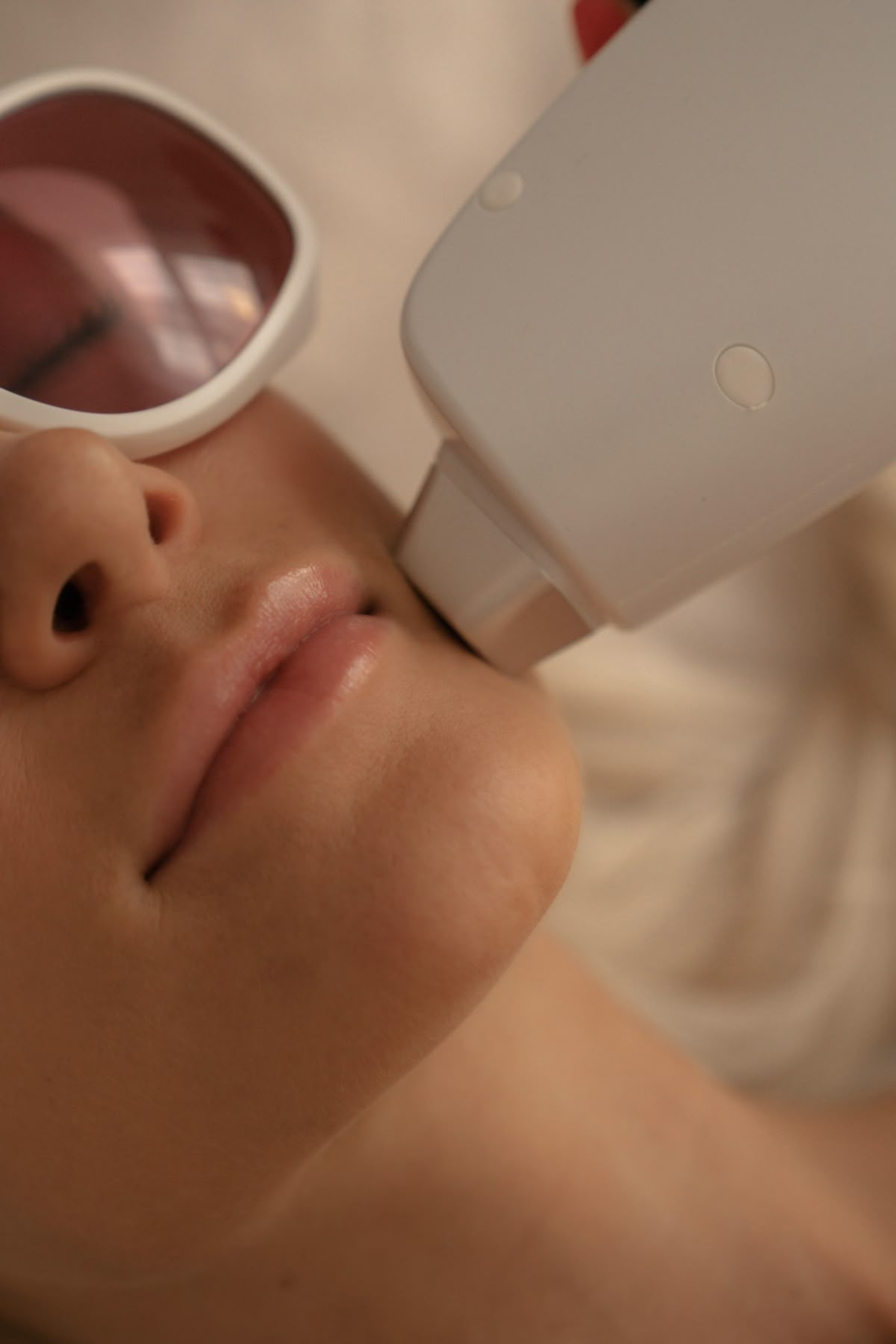
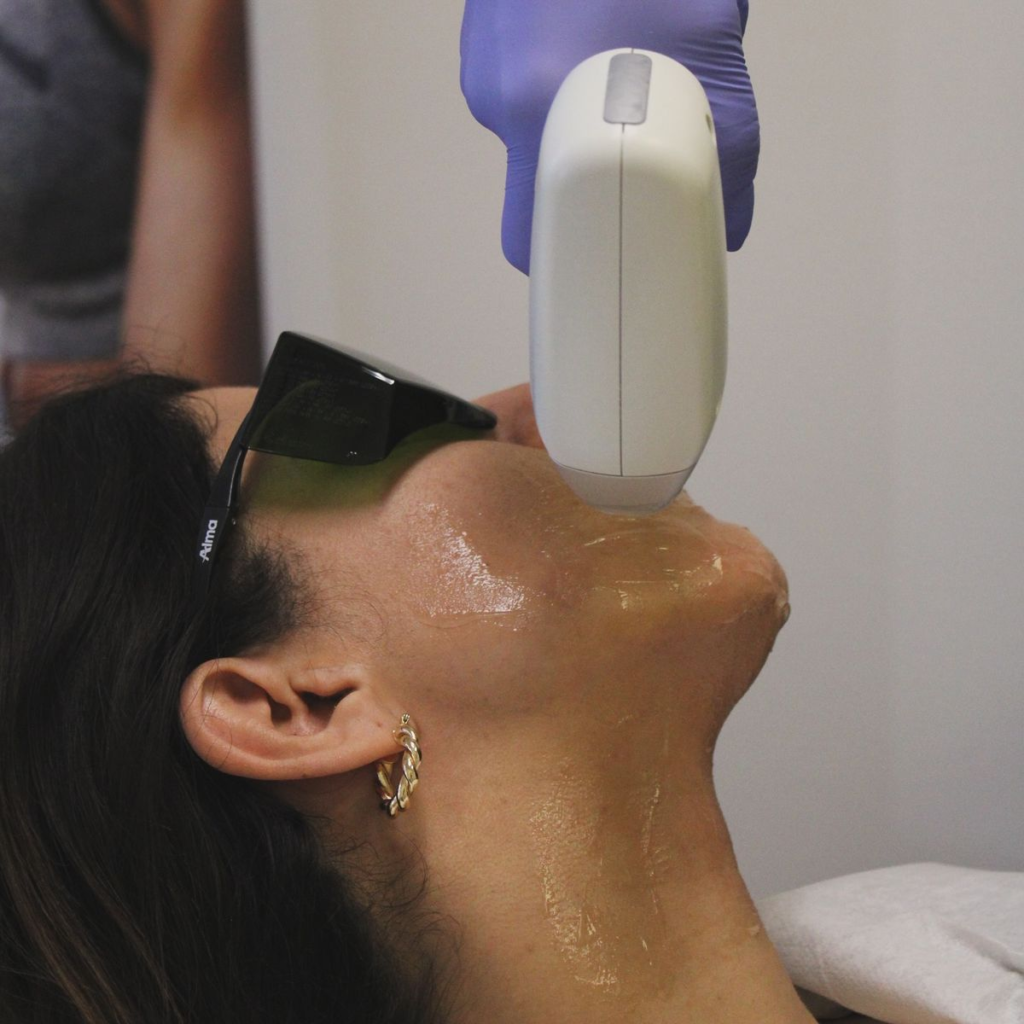
- Protective eyewear: Both you and the technician wear goggles
- Test patch: Some clinics perform a small test area to see how your skin reacts
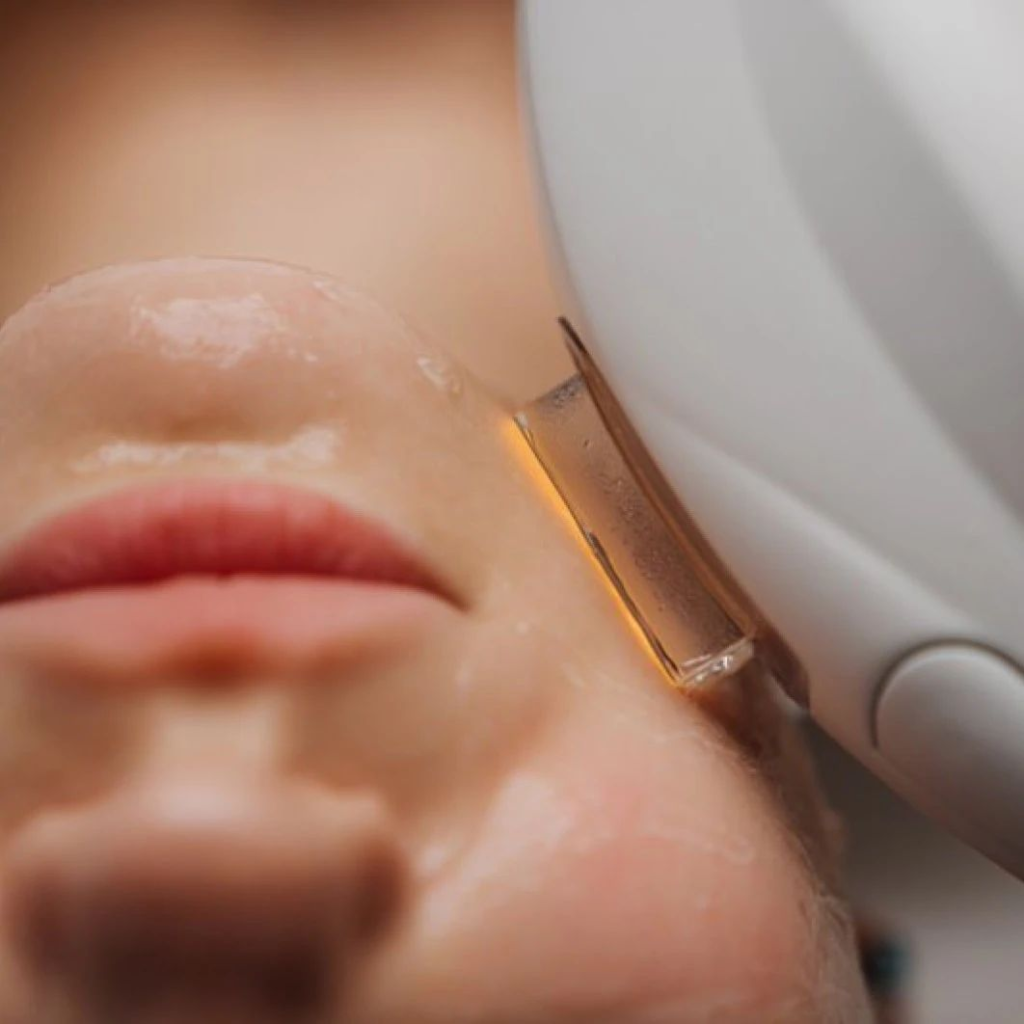
- Laser application: You may feel a slight snapping or warm sensation
- Cooling: A device or gel cools the skin to reduce discomfort
Sessions usually last 20–60 minutes depending on the area and type of laser.
Pain and Discomfort
Laser treatment isn’t painless, but it’s manageable. Most people describe:
- Mild discomfort: Like a gentle rubber band snap or warmth
- Short bursts: Only while the laser targets specific spots
- Optional numbing: Topical anesthetics or cooling devices can make it more comfortable
Honestly, the discomfort is minor compared to the results you can achieve.
Aftercare for Laser Skin Treatment
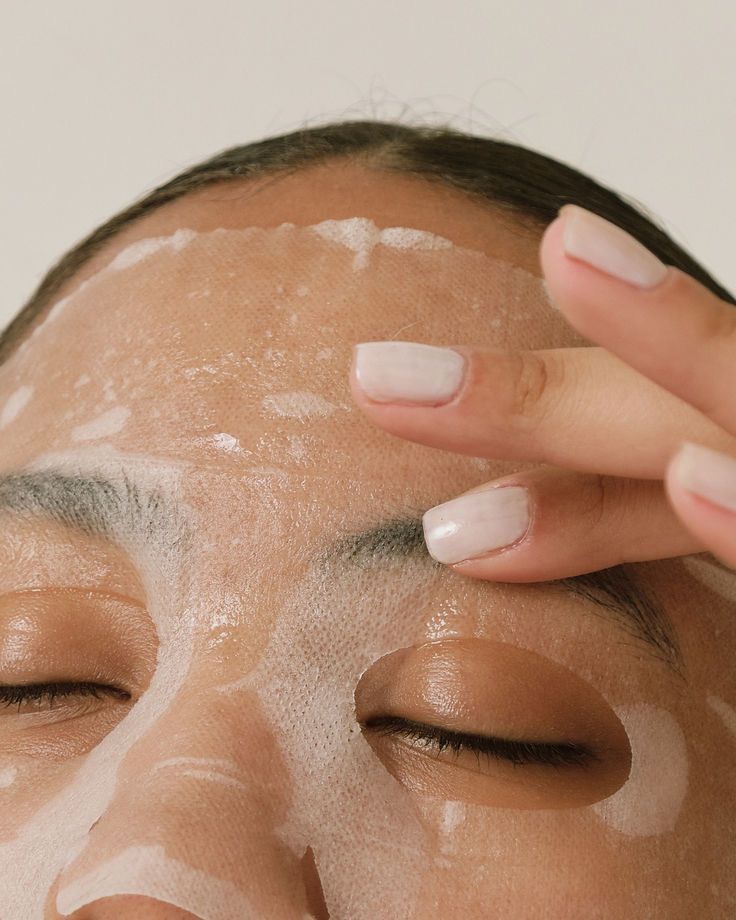
Taking care of your skin after a session is just as important as preparation. Follow these tips to protect your skin and ensure optimal results:
- Avoid sun exposure: Use SPF 30+ daily, even if it’s cloudy
- Skip hot showers or saunas: Heat can aggravate sensitive skin
- Moisturize: Gentle, fragrance-free creams or aloe vera soothe irritation
- No scrubbing: Let your skin heal naturally
- Avoid harsh products: Retinoids, acids, and exfoliants should wait a few days
Following these steps reduces redness, swelling, and potential complications.
How Many Sessions Will You Need?
Results aren’t instant, and multiple sessions are necessary because laser works on hair, pigment, or collagen cycles.
- Typical range: 3–6 sessions for noticeable improvements
- Spacing: Usually 4–6 weeks apart
- Maintenance: Occasional touch-ups may be needed every few months
Common Myths About Laser Skin Treatment
Myth 1: It Works Instantly
Laser stimulates your skin’s natural healing. Visible results take a few weeks to months depending on the concern.
Myth 2: It’s Extremely Painful
Most treatments are tolerable. With cooling or numbing, the experience is far less painful than you imagine.
Myth 3: Any Skin Type Can Get Any Laser
Laser safety depends on your skin tone and type. Some lasers require adjustments to avoid burns or hyperpigmentation.
Myth 4: One Session Is Enough
Multiple sessions are usually necessary for full results, especially for pigmentation or scarring concerns.
Risks and Side Effects
While laser treatments are generally safe, potential side effects include:
- Redness and swelling: Typically subsides within a few hours or days
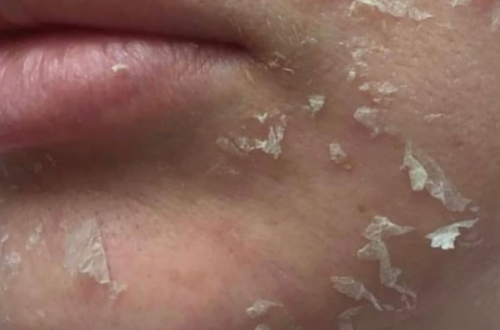
- Pigmentation changes: Darker or lighter patches, especially if exposed to the sun too soon
- Temporary sensitivity: Your skin may feel tender for a few days
Following prep and aftercare guidelines minimizes these risks.
When Laser Skin Treatment Might Not Be Right
Laser isn’t suitable for everyone. Consider postponing or avoiding treatment if you have:
- Active acne or skin infections in the treatment area
- Recent sunburn or tanning
- Certain skin conditions like eczema or psoriasis
- Pregnancy or nursing (better safe than sorry)
A consultation with a licensed professional is essential to determine safety.
Choosing the Right Clinic
Choosing the right clinic affects comfort, safety, and results. Look for:
- Certified technicians or dermatologists
- Reputable reviews and before-after photos
- Laser technology appropriate for your skin tone
- Proper hygiene and safety protocols
- Transparent pricing and session plans
Trust your instincts, if something feels off, don’t hesitate to look elsewhere.
Realistic Expectations
Laser skin treatments offer amazing results, but it’s important to set realistic expectations:
- Improvement, not perfection: Some scars or pigmentation may need extra sessions
- Consistency matters: Skipping appointments reduces effectiveness
- Maintenance is key: Touch-ups every few months may be required
Think of it as an investment in your skin. The results are long-lasting, but they need care and attention.
My Personal Take
After trying laser skin treatments myself, I can honestly say the results are worth it. My skin feels smoother, looks brighter, and scars are less noticeable. The key is preparation, realistic expectations, and a good clinic. It’s not a miracle fix, but it’s a reliable, science-backed solution if done correctly.
Conclusion
Laser skin treatment can transform your skin, addressing pigmentation, scarring, and texture issues, but preparation, professional guidance, and aftercare are critical. Know your skin type, choose the right clinic, follow instructions, and be patient with the process.
With the right approach, laser treatments are safe, effective, and can save you time in your skincare routine. Your skin will thank you, and you’ll enjoy the confidence that comes with clearer, healthier skin 🙂