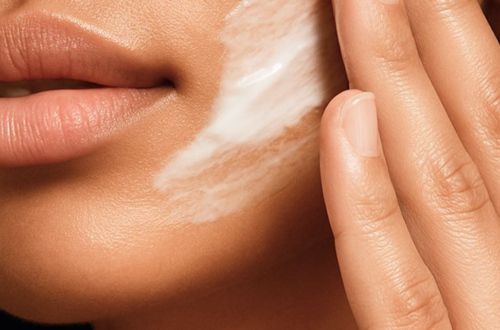
Most people think glowy skin and glass skin mean the same thing. Social media uses the terms interchangeably, skincare brands throw them around casually, and suddenly everyone chases both without knowing the difference.
But here is the interesting part most people miss.
Glass skin actually demands far more skin structure than glowy skin does.
But lets get something straight, all glass skin can be glowy but not all glowy skin is glassy.
Ever wondered why someone can have glowing skin yet still not achieve that mirror-like Korean glass skin look? That is why!
A quick announcement before we proceed.
Shop, free product, follow us on pinterest.
Yes, glow looks beautiful. Healthy, radiant, fresh. But glass skin requires something deeper. It needs extreme smoothness, intense hydration, and near perfect light reflection. Without those three things, the effect simply does not happen.
This article breaks down glowy skin vs glass skin, what actually separates them, and which one you should realistically aim for. Because FYI, chasing glass skin without understanding your skin barrier can become slightly perilous.
Let’s clear the confusion.

What Glowy Skin Actually Means
A Natural Radiance From Healthy Skin
Glowy skin refers to healthy, radiant skin that reflects light naturally. The glow usually comes from hydration, good circulation, and proper exfoliation.
You will often notice glow after a good skincare routine, a facial, or even a good night of sleep.
Glowy skin does not require perfection. It simply means your skin looks hydrated, alive, and well cared for.
What Creates That Glow?
Several factors create glowing skin. None of them involve complicated routines or absurd skincare rituals.
Glowy skin usually comes from:
• Well hydrated skin
• Regular exfoliation
• Balanced oil production
• Healthy skin barrier
• Consistent sunscreen use
When these factors align, the skin reflects light in a soft way. The glow appears subtle rather than dramatic.
Think of it like healthy skin that naturally catches light.
Ever noticed how skin glows slightly after a workout or a long shower? That is the same principle.
What Glass Skin Really Means
The Korean Skincare Standard
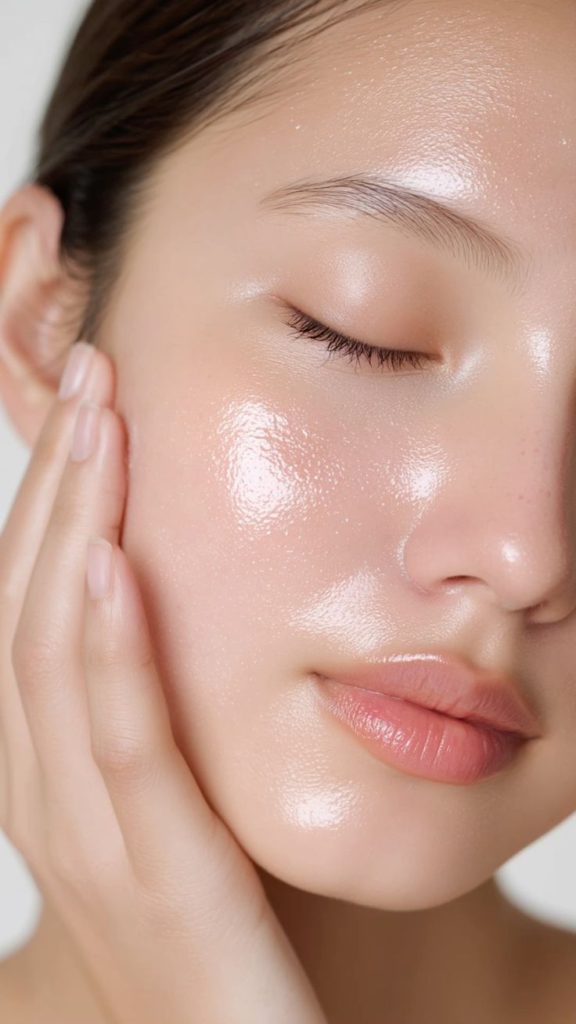
Glass skin comes from the Korean skincare philosophy of deeply hydrated, extremely smooth skin.
The goal involves skin that looks so clear and smooth that it almost resembles glass or polished porcelain.
Unlike glowy skin, glass skin focuses heavily on skin texture.
The Key Characteristics of Glass Skin
Glass skin requires several very specific conditions.
You will usually notice:
• Ultra smooth skin texture
• Almost invisible pores
• Deep hydration
• Even skin tone
• Strong light reflection
The light reflection creates that famous “mirror effect.”
People often assume oils or highlighters create this look. In reality, skin texture determines everything.
Any rough patches, dryness, or congestion interrupts that reflective surface.
Achieving this level of smoothness requires patience and consistency.
And honestly? It sometimes borders on unrealistic for certain skin types.

The Real Difference Between Glowy Skin and Glass Skin
Many people confuse the two because both involve radiance.
But the difference becomes obvious once you examine skin texture and hydration levels.
Glowy Skin vs Glass Skin Breakdown
Here is a simple comparison.
Glowy Skin
• Natural radiance
• Healthy hydration levels
• Visible pores remain normal
• Texture imperfections still exist
• Easier to achieve
Glass Skin
• Extreme hydration
• Almost flawless texture
• Pores appear nearly invisible
• Skin reflects light strongly
• Requires more effort and consistency
Glowy skin focuses on health and balance.
Glass skin focuses on perfection and structure.
See the difference?
Why Glass Skin Requires Much More Work
Glass skin does not appear overnight.
The look requires long term skin maintenance rather than quick fixes.
Ever wondered why Korean skincare routines include so many steps?
Those routines target hydration layering and skin texture improvement.
Glass Skin Routines Usually Include
Most glass skin routines focus on:
- Double cleansing
- Gentle exfoliation
- Hydrating toners
- Essences
- Serums
- Moisturizers
- Sunscreen
Each step focuses on improving hydration, clarity, and smoothness.
Some people maintain 8 to 10 step routines to support this process.
Does everyone need that many steps? Not necessarily.
But achieving glass skin definitely requires consistent care and barrier protection.

Skin Texture
Texture quietly determines whether someone can achieve glass skin.
Even with excellent skincare, certain factors affect texture:
• genetics
• enlarged pores
• acne scars
• dehydration lines
• sun damage
These factors interrupt the smooth reflective surface glass skin requires.
That reality explains why glowy skin often looks more attainable and realistic for most people.
IMO, chasing healthy glow makes more sense than chasing perfection.

The Role of Hydration in Both Skin Types
Hydration plays a huge role in both glowy skin and glass skin.
But the intensity differs.
Hydration for Glowy Skin
For glowing skin, hydration simply keeps the skin plump and comfortable.
You need:
• a gentle cleanser
• a hydrating serum
• a moisturizer
• sunscreen
That routine alone can produce visible glow.
Hydration for Glass Skin
Glass skin pushes hydration much further.
The routine usually involves layering lightweight hydrating products repeatedly.
Popular ingredients include:
• Hyaluronic acid
• Glycerin
• Snail mucin
• Panthenol
• Ceramides
Each layer improves skin moisture and elasticity, which enhances light reflection.
The skin almost looks polished.
Sounds luxurious, right?
Why Over-Exfoliating Can Ruin Both
People chasing glow or glass skin often make one critical mistake.
They over-exfoliate.
More exfoliation seems logical because it removes dead skin cells. But excessive exfoliation damages the skin barrier.
Once the barrier weakens, several problems appear:
• redness
• dryness
• irritation
• dullness
• increased sensitivity
Ironically, these problems reduce glow rather than improve it.
Skin glow comes from balance, not aggressive treatment.
Overdoing acids or scrubs quickly becomes counterproductive.
Products That Help Achieve Glowy Skin
You do not need a complicated routine to get glowing skin.
Focus on products that support hydration and gentle renewal.
Look for ingredients like:
• Vitamin C for brightness
• Niacinamide for skin tone balance
• Hyaluronic acid for hydration
• Mild exfoliating acids like lactic acid
These ingredients encourage radiance without overwhelming the skin.
Consistent sunscreen also protects your results.
Skipping sunscreen while chasing glowing skin creates a slightly absurd situation.
You undo your progress daily.
Products That Help Achieve Glass Skin
Glass skin routines focus heavily on hydration layers and skin barrier health.
Products commonly used include:
• Hydrating toners
• Essences
• Lightweight serums
• Barrier strengthening creams
The goal involves deep hydration combined with smooth texture.
Some people also include gentle chemical exfoliants once or twice per week.
These products remove dull surface cells without damaging the barrier.
Ever noticed how glass skin looks almost wet but not oily? That effect comes from hydrated skin reflecting light evenly.
Which One Should You Actually Aim For?
This question matters more than people realize.
Glass skin looks beautiful, but it requires consistent routines and naturally smooth skin texture.
Glowy skin feels much more attainable for most people.
Why?
Because glowing skin celebrates healthy, hydrated skin rather than flawless skin.
Your pores remain visible. Minor texture stays normal. Skin still looks radiant.
That balance feels realistic and sustainable.
Glass skin, on the other hand, often sits closer to a skincare ideal rather than a daily reality.
Both look beautiful, but one requires far less stress.
Conclusion
The difference between glowy skin and glass skin comes down to texture, hydration intensity, and skin perfection.
Glowy skin focuses on healthy radiance. Hydration, gentle exfoliation, and balanced skincare create that effect.
Glass skin pushes things further. The look requires extreme smoothness, deep hydration layers, and near flawless texture.
Neither approach feels wrong. Both reflect good skincare habits.
But chasing glass skin without respecting your skin barrier can become perilous.
Healthy glow usually wins in the long run.
So next time someone mentions glass skin, ask yourself something simple.
Do you want perfect skin, or do you want healthy skin that naturally glows?
That answer usually makes the choice very clear