Here’s something most people don’t realize: skin bleaching isn’t just about a lighter tone, it actually damages your skin at a cellular level. Yes, all that soap, cream, or chemical concoction that promised “radiant, fairer skin” might have left your skin weaker, inflamed, or uneven.
So if you’re reading this and thinking, “I want my real skin back,” you’re in the right place. Reversing bleaching is absolutely possible, but it takes patience, consistency, and a very strategic approach. Let’s get into what happens when you bleach your skin, why reversal is tricky but doable, and exactly how to restore your natural glow safely.
Just before we get into the main deal, A quick announcement.

Shop, free product, follow us on pinterest.
Why Skin Bleaching Damages Your Skin
The Science Behind Bleaching
Most skin bleaching products contain hydroquinone, mercury, steroids, or harsh acids. These ingredients work by suppressing melanin production, the pigment responsible for your natural skin color.
While that might sound like a “fast track” to lighter skin, the consequences are anything but superficial:
• Barrier damage – Your skin loses its natural protection against bacteria, pollution, and moisture loss.
• Thinning skin – Prolonged steroid use can thin your skin, making it fragile and prone to injury.
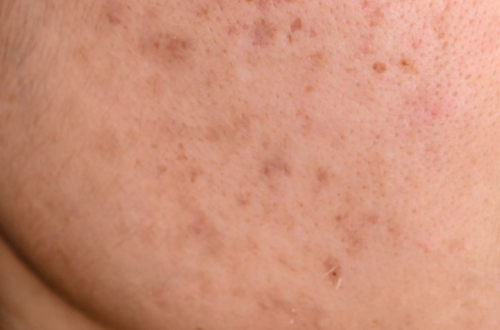
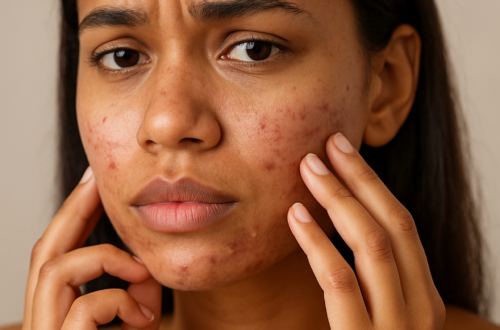
• Inflammation and redness – Chemicals trigger chronic inflammation, leading to irritation, hyperpigmentation, and even scarring.
• Uneven tone – Suppressing melanin unevenly often leaves blotches, patches, or dark spots that are harder to fix.
So yeah, bleaching isn’t just a cosmetic choice, it’s a mini sabotage mission on your skin.
The Hidden Consequences You Didn’t Know About
People often ignore the long-term effects:
• Sun sensitivity increases – Damaged skin burns faster and ages quicker.
• Acne flare-ups – Barrier damage and irritation often trigger new breakouts.
• Loss of elasticity – Steroids and harsh chemicals degrade collagen, leading to sagging or fine lines.
Ever noticed how some people who bleach extensively start seeing unexpected pigmentation that creams just can’t fix? That’s your skin screaming for help.
Step 1: Stop All Bleaching Products Immediately
This may seem obvious, but many people try to “wean off” gradually. The truth is, stopping abruptly is safer. Continuing any bleaching cream, serum, or steroid product delays healing and worsens inflammation.
Remember: reversal starts with quitting the damage. No exceptions.
Step 2: Protect and Repair Your Skin Barrier
Think of your skin barrier as the defense wall of a castle. Once breached, everything inside becomes vulnerable. Repairing this wall is your first priority.
Key Ingredients to Rebuild the Barrier
• Ceramides – Restore the skin’s natural lipid layer and prevent water loss.
• Hyaluronic acid – Hydrates deeply without irritation.
• Panthenol (Vitamin B5) – Soothes inflammation and promotes healing.
• Squalane and plant oils – Seal in moisture and reduce dryness.
Use gentle, non-comedogenic moisturizers. Avoid “brightening” products until your skin is fully stabilized, because most contain acids or chemicals that will further irritate your barrier.
Step 3: Gradual Reintroduction of Melanin-Safe Products
Once your barrier is intact and your skin feels calm, you can carefully introduce melanin-safe skincare products.
What to Look For
• Natural oils and butters – Shea butter, cocoa butter, jojoba oil, and argan oil are excellent for restoring healthy skin texture.
• Antioxidants – Vitamin C (in mild formulations), niacinamide, and green tea extract support melanin regulation and reduce inflammation.
• Gentle exfoliation – Use only soft chemical exfoliants like lactic acid, once or twice a week, to help normalize skin tone without stripping.
The goal here is even tone and restored function, not lighter skin. Let your natural pigment thrive.
Step 4: Shield Your Skin From Sun Damage
Sun exposure is your biggest enemy when reversing bleaching. Damaged skin is hyper-sensitive and prone to hyperpigmentation.
Sun Protection Tips
- Use broad-spectrum sunscreen daily – SPF 30+ minimum.
- Wear protective clothing – Hats, scarves, and UV-blocking fabrics.
- Avoid peak sun hours – 10 a.m. to 4 p.m.
Trust me, sun protection isn’t optional here. It’s literally the difference between healing and undoing all your progress.
Step 5: Boost Skin Health From the Inside
Reversing bleaching isn’t just about what you put on your skin—it’s also about internal support.
Nutritional Support
• Hydration – Water is your skin’s silent ally.
• Protein-rich foods – Collagen and elastin need building blocks like protein to regenerate skin.
• Vitamins and minerals – Vitamins A, C, E, zinc, and selenium help repair and maintain healthy pigmentation.
Think of your diet as a foundation, without it, topical treatments will only go so far.
Step 6: Patience Is Non-Negotiable
Here’s the part no one wants to hear: reversing bleaching takes time.
Skin turnover occurs roughly every 28–40 days, but healing and pigmentation balance can take months to a year depending on the extent of damage.
Stop expecting overnight miracles. Consistency and gentleness are your best friends.
Step 7: Consider Professional Help
Sometimes damage is extensive, and home care isn’t enough. Consulting a dermatologist or licensed aesthetician can help you:
• Assess the depth of damage
• Prescribe barrier-repair serums
• Recommend safe treatments like laser therapy or mild chemical peels for uneven pigmentation
This step is particularly useful if you notice scarring, thickened skin, or stubborn dark spots.
Common Myths About Reversing Bleaching
Myth 1: You Can Undo Damage Overnight
Nope. Reversing bleaching is slow and methodical. Quick fixes often backfire and worsen irritation.
Myth 2: All Brightening Products Will Help
Avoid products marketed as “whitening” or “brightening” until your skin barrier heals. Many still contain acids, hydroquinone, or harsh chemicals.
Myth 3: Sun Exposure Will Naturally Restore Your Skin
Sun will only increase pigmentation damage, making your reversal process longer. SPF is your best friend, not the enemy.
Supporting Your Skin With Gentle Daily Care
Consistency matters more than aggressive interventions. Build a daily routine that supports repair:
- Gentle, pH-balanced cleanser
- Hydrating toner or essence
- Barrier-supporting moisturizer
- Sunscreen (daytime)
Optional additions after a few weeks: mild serums with niacinamide or antioxidants.
Your skin should feel calm, hydrated, and gradually more even in tone. That’s the real success metric.
The Emotional Side of Reversing Bleaching
Let’s be honest. Reversing bleaching isn’t just physical, it’s emotional.
Many people struggle with self-image issues while their skin heals. You might feel impatient, frustrated, or anxious seeing blotches and uneven tone.
Remember: your natural skin is not “less than”. Healing is also a process of embracing your natural color and allowing your skin to function normally again.
Long-Term Prevention
Once your skin recovers, prevention is everything:
• Never go back to bleaching products.
• Continue sun protection religiously.
• Stick to gentle, nourishing skincare.
• Avoid over-exfoliation.
This approach ensures your skin remains healthy, resilient, and radiant naturally.
Final Thoughts
Reversing skin bleaching is a journey that requires patience, consistency, and barrier-focused care.
Stop harmful products. Repair your skin barrier with hydration and nourishing ingredients. Protect from the sun. Support skin health from the inside. And remember: your natural skin tone is beautiful and worth protecting.
If you follow these steps, you’ll notice gradual restoration of tone, texture, and resilience.
Healing is slow but rewarding and your skin will thank you with confidence and glow that no bleach could ever replicate.