On this blog, Everything Skin, we emphasize the usage of sunscreen. So writing about this topic feels kind of new to me. When you have been in the cold for long, there is this deep desire to be somewhere warm and tropical. I really get that feeling. There is no shame in being out in the sun. The sun is our energy source. It feeds our food systems and gives us life indirectly.
… And who doesn’t want that golden glow?
The sun also heals. It lifts our mood, supports our health, and yes, let us not even get started on the vitamin hormone everyone suddenly remembers when summer shows up. I lived in the tropics for a very long time, so believe me when I say I have seen both sides. I have seen how much good the sun can do, and I have seen how extreme sun exposure can quietly wreck your skin health and looks.
Before we get into the main deal, please take some time to join our pinterest community to stay updated on all our new posts. It means so much to us. Thank you 😉
So why this article. This is for people who love being outdoors, people on holiday who do not want to miss that golden sun energy, and people whose lifestyle or work demands constant contact with the sun. This is not about avoiding the sun. This is about learning how to tan the right and safe way without paying for it later.

Why we actually need sun protection
Let us clear something up quickly. Loving the sun and protecting your skin are not opposites. You can do both and still enjoy your life.
The sun gives us warmth and vitamin D, but it also emits ultraviolet radiation that stresses the skin. That stress builds up over time. It shows up as premature aging, stubborn dark spots, rough texture, and sometimes things we really do not want to deal with.
Ever noticed how your skin looks fine after one sunny day but starts acting strange after weeks of exposure. That is cumulative damage quietly doing its thing.
This article works as a full UV protection guide for tanning safely. We will talk face, body, sunscreen types, timing, breaks, sweat, and all the little things people skip until it is too late.
Understanding UV rays
You do not need a science degree to understand this part. You just need the basics.
UVA rays and what they do
UVA rays age the skin. They break down collagen and elastin and slowly create fine lines and sagging. They penetrate deep and work silently. You usually do not feel them, which makes them sneaky.
UVB rays and why they burn
UVB rays burn the skin. They cause redness, peeling, and sunburn. They play a role in tanning, but too much leads to damage fast.
Good sunscreens protect against both UVA and UVB. That broad spectrum label matters more than people think.
Can you tan safely or is that a myth
You can tan safely if you stop chasing extremes. A tan does not need pain, peeling, or dark patches to count.
Tanning is your skin responding to sun exposure by producing more melanin. That response does not mean you should push your skin until it begs you to stop.
IMO, the goal should always be a gradual tan, not a dramatic overnight transformation. Your skin remembers everything, even when you forget.

The right SPF for tanning face and body
Let us talk numbers because this part confuses people.
SPF for the face
Your face needs more protection than you think.
Use SPF 30 at minimum if you plan to be outdoors for hours. If you have hyperpigmentation, melasma, or acne marks, go higher.
Look for sunscreens that say
• Broad spectrum
• SPF 30 or SPF 50
• Lightweight or non greasy
I personally avoid heavy formulas on my face when tanning. Thick sunscreens feel suffocating under heat and sweat, and that never ends well.
SPF for the body
For the body, SPF 30 works well for tanning safely. If you burn easily, start with SPF 50 and adjust later.
Do not use tanning oils with no SPF. I know they promise glow, but they also invite damage. FYI, glowing skin does not require frying it.
What to use underneath sunscreen
This step changes everything and people skip it all the time.
Hydration comes first
Apply a light moisturizer or hydrating serum before sunscreen. Hydrated skin handles sun exposure better and tans more evenly.
Good options include
• Aloe based gels
• Lightweight lotions
• Simple glycerin or hyaluronic serums
Avoid heavy oils under sunscreen during the day. Heat plus oil equals clogged pores and irritation.

Antioxidants help more than you think
Using a vitamin C or antioxidant serum underneath sunscreen gives extra protection. Antioxidants help fight free radical damage caused by UV exposure.
I see fewer dark spots when I stay consistent with this step. That alone keeps me loyal.
How long you should stay in the sun
This part depends on timing and skin type.
The safest window to tan sits before 11 am and after 4 pm. The sun feels gentler and your skin does not panic.
Start with 30 to 45 minutes, then take a break. Gradual exposure builds color without overwhelming your skin.
Ever stayed out too long thinking you were fine, only to feel the burn later. Exactly.
Why breaks matter more than you think
Your skin needs recovery time. Tanning straight for hours stresses the skin barrier.
Take shade breaks every hour. Drink water. Let your skin cool down.
These pauses reduce inflammation and help your tan develop evenly instead of turning patchy or irritated.
What to do if you sweat a lot
Sweating changes the tanning game.
If you sweat heavily, use a water resistant sunscreen and reapply every two hours or sooner.
Pat sweat gently with a towel. Do not rub aggressively. Rubbing removes sunscreen and irritates the skin.
I learned this the hard way during beach walks. Sweat plus rubbing gave me uneven color that took months to fade :/
Face tanning without ruining your skin
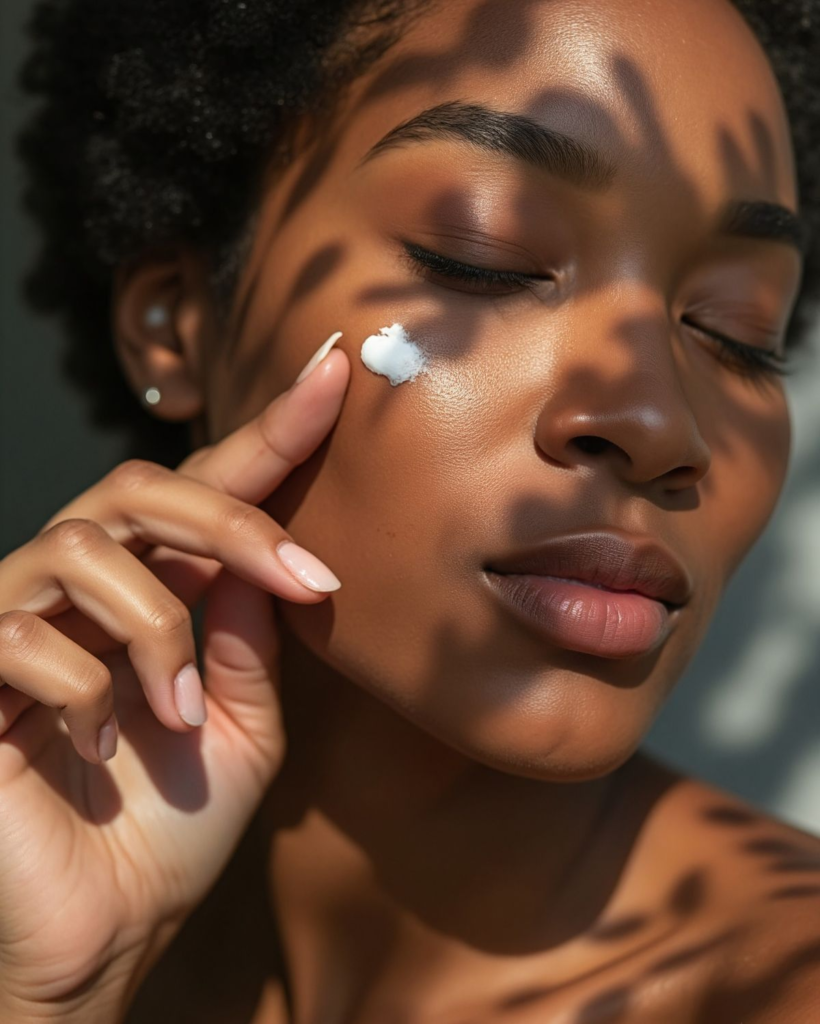
Your face does not need direct sun for long.
Sit under partial shade. Let indirect sunlight do the work. This method gives a softer, more even tan.
Always reapply sunscreen on the face. Hats help. Sunglasses help. No one ever regretted protecting their eyes and skin.
Body tanning tips that actually work
Tanning the body safely requires consistency, not intensity.
Apply sunscreen evenly. Missed spots turn into dark patches later.
Rotate positions if you are sunbathing. Staying in one position too long creates uneven exposure.
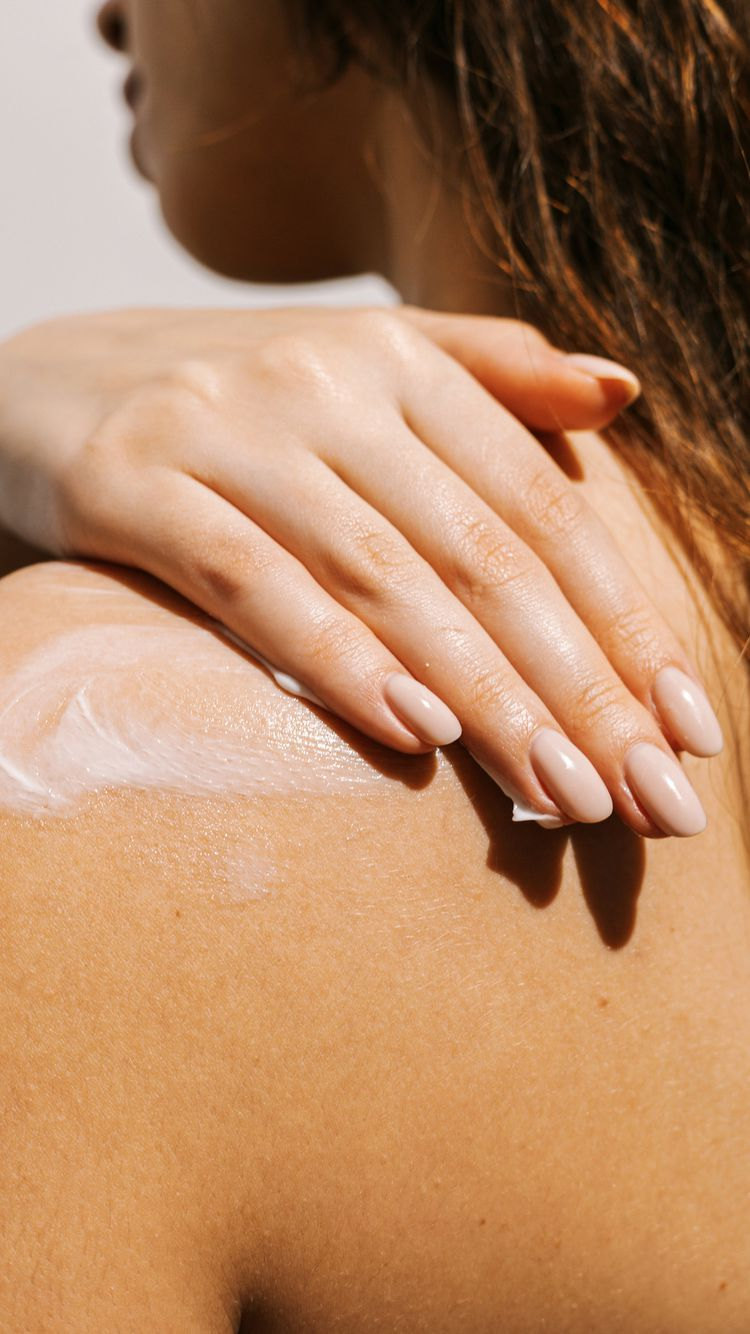
After sun exposure, rinse your skin and moisturize well. Hydration locks in your tan and prevents peeling.
After sun care matters more than the tan itself
This step decides how long your tan lasts.
Use soothing products like
• Aloe vera
• Panthenol creams
• Light body lotions
Avoid exfoliating for at least 48 hours after sun exposure. Let your skin settle.
A calm skin barrier holds color better and stays healthier longer.

Common tanning mistakes to avoid
Let us be honest for a second.
• Skipping sunscreen because you want color faster
• Using oils with no SPF
• Staying out during peak sun hours
• Forgetting to reapply sunscreen
• Ignoring hydration
These mistakes always show up later. Dark spots do not care about vacation memories.
Who should be extra careful with tanning
Some people need more caution.
If you have
• Hyperpigmentation
• Melasma
• Sensitive skin
• A history of sunburn
You should tan slowly or stick to indirect sun exposure. A tan is not worth months of correction work.
Final thoughts on tanning the right and safe way
You do not need to fear the sun, and you do not need to disrespect it either. The sun gives life, energy, and warmth. It also demands boundaries.
Safe tanning means protection, timing, breaks, and consistency. When you treat your skin with care, it rewards you with a healthier glow that lasts.
Next time you step into the sun, do it with intention. Your future skin will thank you, and you will still enjoy that beautiful warmth and energy 🙂