So, you want smoother skin. Don’t we all? But before you go scrubbing your face raw with that “deep cleansing” glove you found in your bathroom drawer, let’s talk about physical exfoliation the right way. Because, trust me, not all exfoliating tools are created equal, some give you glowing baby skin, others give you micro-tears and regret.
Below, I’ll rank the best physical exfoliation tools for your face and body, share how to use them in your skin care routine, and tell you which ones to skip if you want to avoid irritation or acne flare-ups. Ready? Let’s get into it.
What Is Physical Exfoliation (and Why It’s Both Amazing and Tricky)
Physical exfoliation means using a tool, glove, or textured surface to remove dead skin cells manually. Think of it as buffing your skin to reveal the smoother layer underneath. When done right, it helps unclog pores, reduce dullness, and even improve how well your skincare products absorb.
But here’s the catch: overdo it, and your skin will rebel. (You’ll know, tightness, redness, or that weird burning feeling right after washing your face.)
So, IMO, exfoliation is like coffee, amazing in moderation, awful in excess.
Let’s rank them from gentle and glow-giving to intense and not-for-the-faint-hearted.
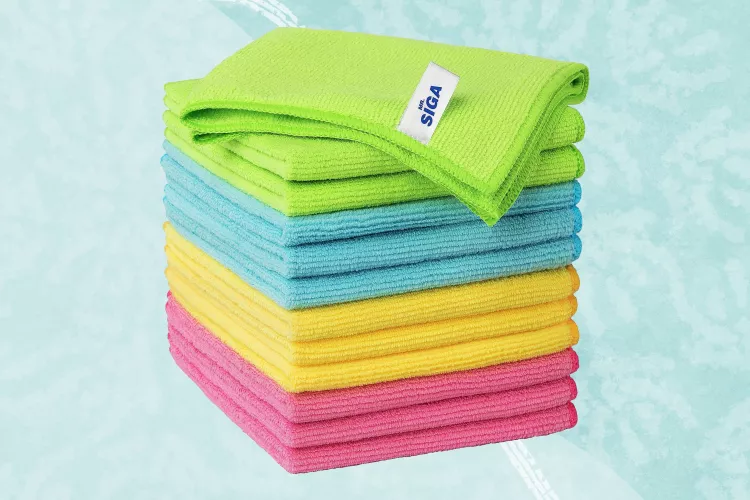
1. Microfiber Cloths (for Face and Body)
If you’re scared of scrubs but still want a clean, smooth face, microfiber cloths are your best friend.
They’re soft, reusable, and remove dirt and dead skin without any harshness. You just wet the cloth, massage your skin in circular motions, and boom, instant refresh. Gentle queen of exfoliation, perfect for everyday use.
Best for: All skin types, especially dry or sensitive skin.
Why it works: The tiny fibers grip onto oil, makeup, and dead cells gently.
Pro tip: Use with a mild cleanser for extra glow.
Rating: 10/10
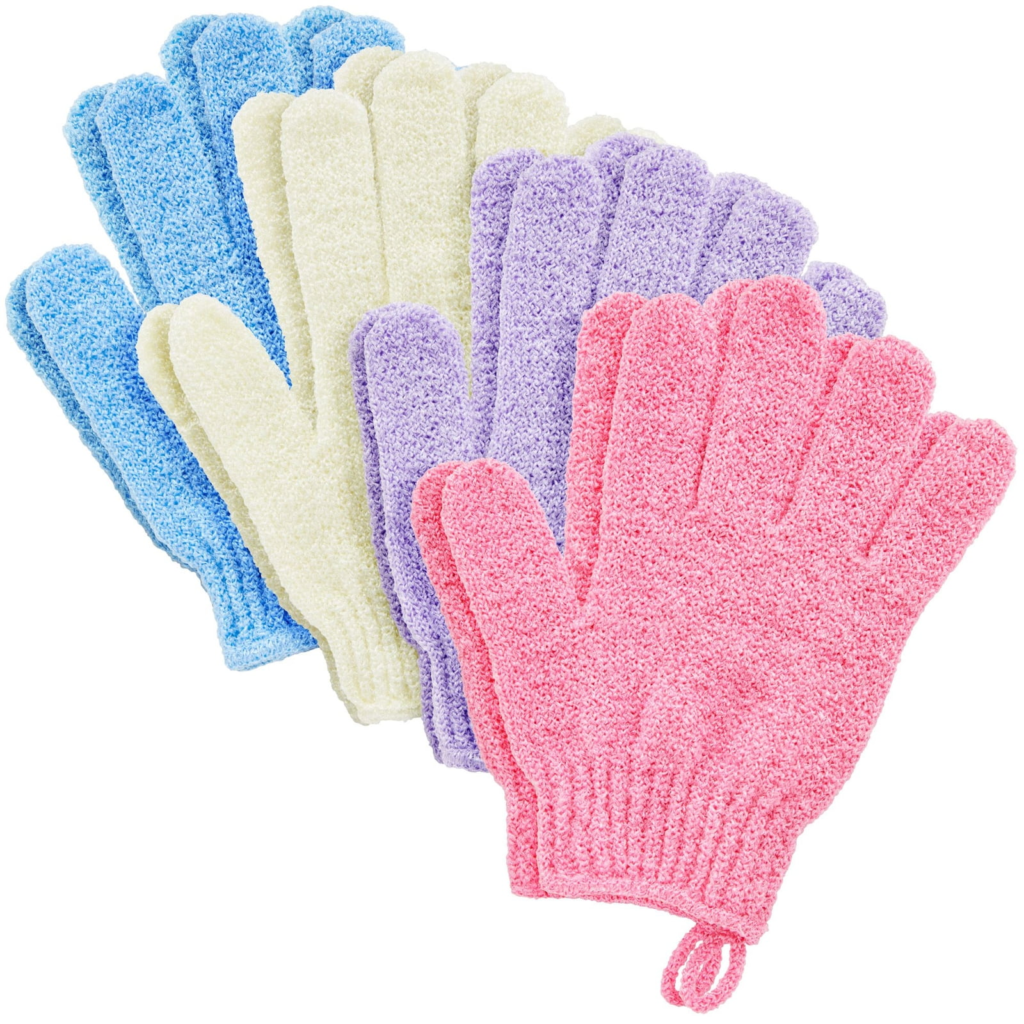
2. Exfoliating Gloves (Body MVP)
If you’ve never used exfoliating gloves in the shower, you’re missing out. These textured gloves are amazing for buffing body skin, improving circulation, and getting rid of those tiny bumps (hi, keratosis pilaris). Excellent for weekly use, but go gentle on sensitive areas.
You’ll step out of the shower feeling smooth and polished.
Best for: Normal to oily skin. Avoid if you have eczema or active body acne.
How to use:
- Wet the gloves and apply your body wash.
- Massage your skin in circular motions.
- Focus on elbows, knees, and back of thighs.
Bonus: It preps your skin perfectly for shaving or body oils.
Rating: 8/10
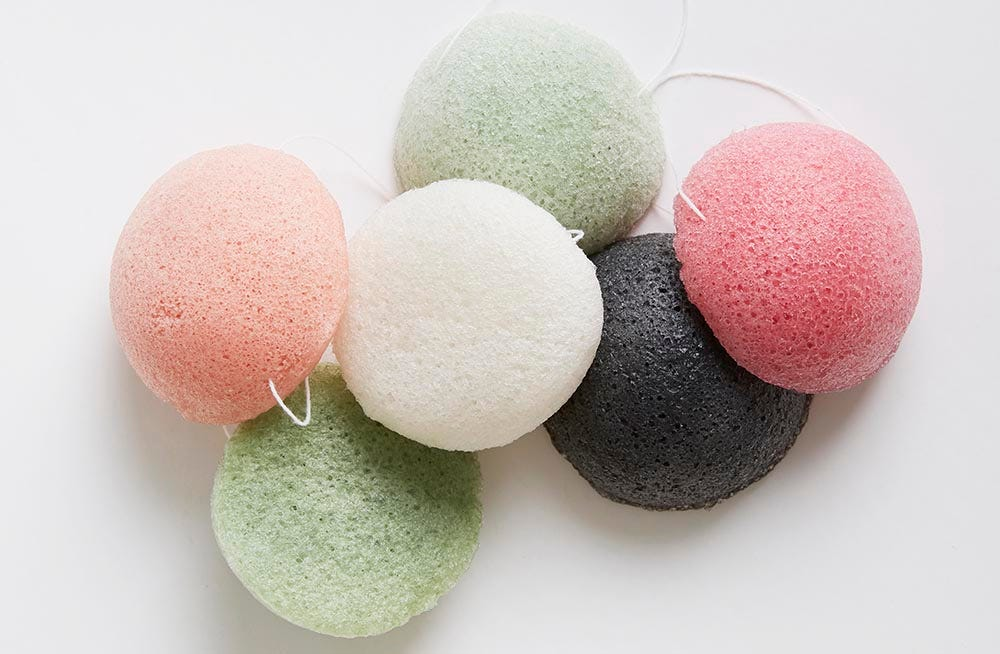
3. Konjac Sponge (for Face)
The Konjac sponge is made from a plant root and feels soft and bouncy when wet. It gently buffs away impurities without stripping your skin barrier. Great for regular use. Just don’t go overboard.
It’s like a cloud, if clouds were skincare tools.
Best for: Dry, sensitive, or combination skin.
Why it’s special: It balances skin pH and improves texture without irritation.
How to use: Soak it in warm water, squeeze out excess, and massage your face in small circles.
Rating: 9/10
Verdict: Ideal for gentle daily exfoliation or post-acid nights.
4. Silicone Face Scrubbers (Face)
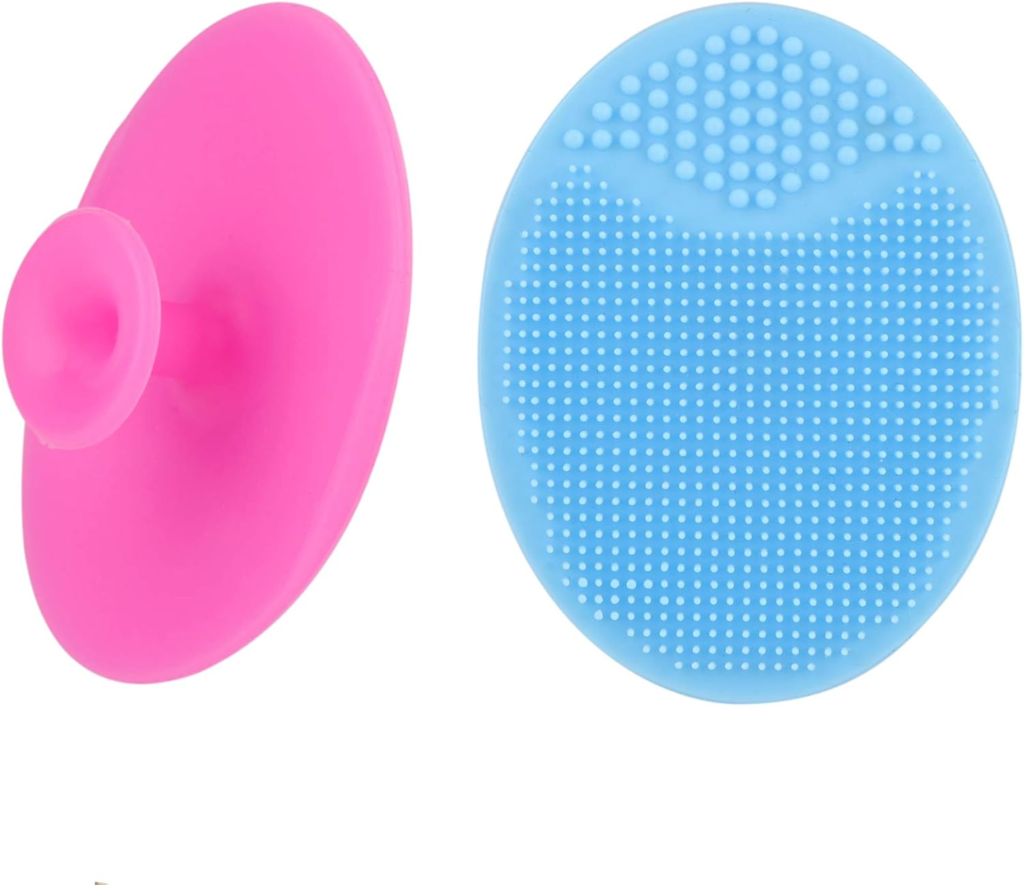
You’ve probably seen those small silicone pads with tiny bristles. They’re not only cute, but effective. The flexible bristles massage your skin, lift dirt, and boost circulation.
Best for: Oily and acne-prone skin.
Why it works: Silicone is hygienic, easy to clean, and doesn’t trap bacteria like loofahs do.
Pro tip: Pair with a foaming cleanser for a mini at-home facial.
Rating: 8/10
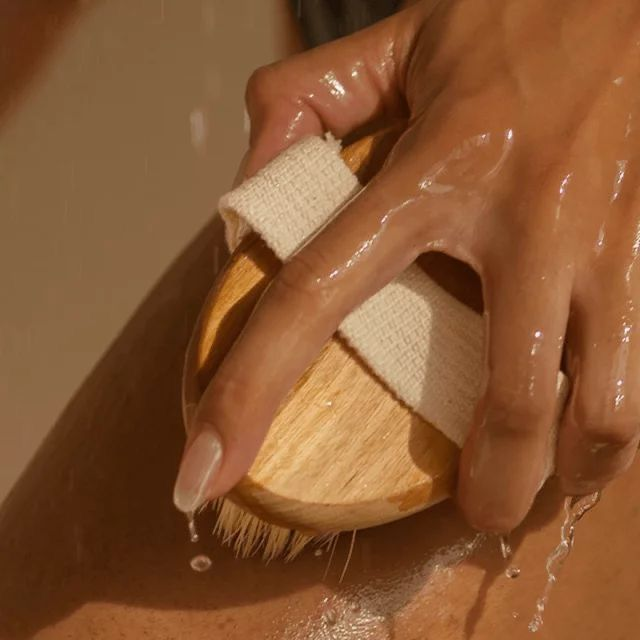
5. Dry Brushing (Body Only, Please)
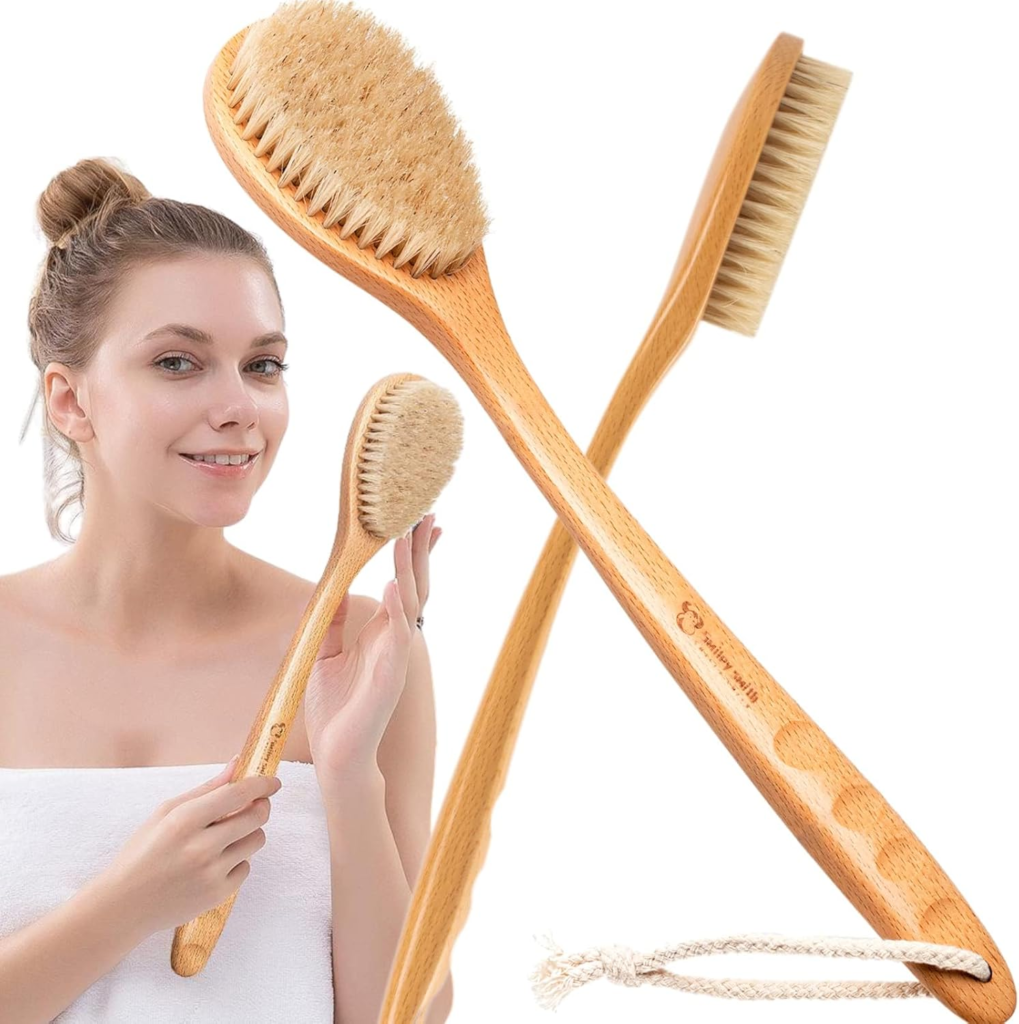
Okay, dry brushing. People swear by it for glowing body skin and lymphatic drainage, but let’s keep it real, it’s not for everyone. Works wonders for some, torture for others. Proceed with caution.
Using a stiff-bristled brush on dry skin before your shower can improve circulation and shed dead skin cells. But if you’re prone to body acne or sensitivity, skip it.
Best for: Normal to oily skin that tolerates stimulation well.
How to use:
- Use upward strokes toward your heart.
- Avoid sensitive or broken skin.
- Follow up with a nourishing body oil.
Rating: 6/10
6. Sugar or Salt Scrubs (Face and Body)
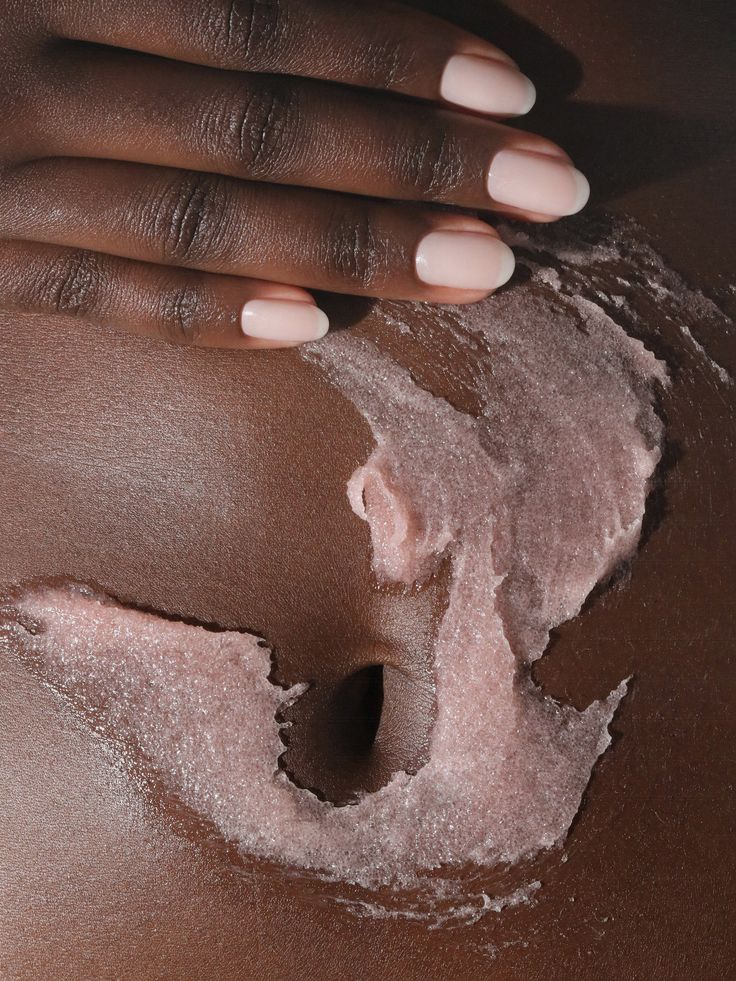
Ah, the old DIY favorite. A sugar or salt scrub can be satisfying, but your face might not appreciate the texture. The granules are often too rough and can create tiny tears in your skin. Good for body care, not for your delicate facial skin.
Best for: Body only, especially rough areas like elbows, knees, and feet.
Avoid on: The face (unless you enjoy micro-abrasions, which you shouldn’t).
Pro tip: Always mix scrubs with a base like honey, oil, or yogurt for extra moisture.
Rating: 8/10
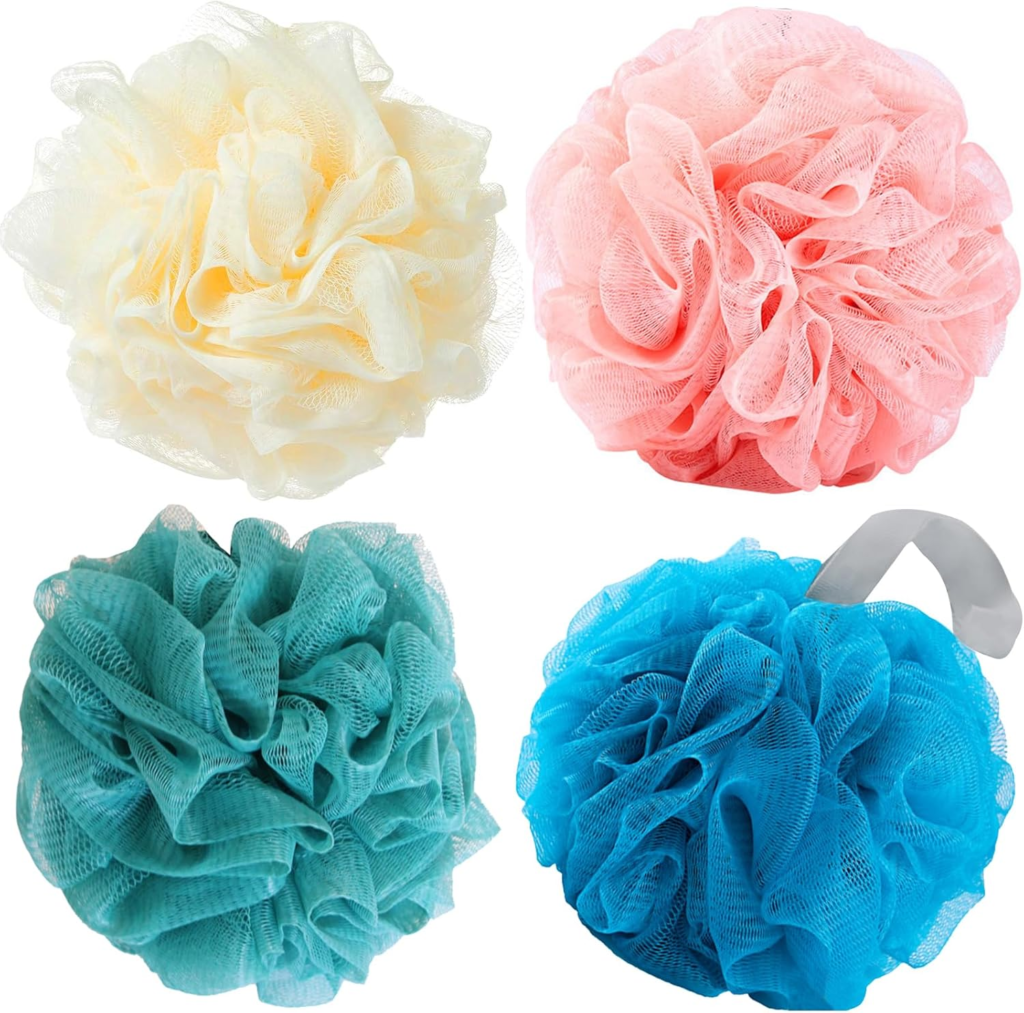
7. Loofahs
Loofahs have been around forever. They’re fun, foamy, and satisfying, but let’s be honest, they can be bacteria traps if not cleaned regularly. Works well when clean, but hygiene is key.
Still, they’re great for exfoliating the body, especially if you like a deep cleanse.
Best for: Normal skin.
Pro tip: Replace every few weeks and let it dry completely after each use.
Rating: 4/10

8. African Net (Sapo Sponge) – 9/10
The African net sponge, also known as a sapo, is a long, stretchy, mesh-like exfoliating cloth that’s been used across West Africa for generations. It’s amazing for deeply cleansing body skin, improving blood flow, and keeping your back and hard-to-reach areas spotless. It lathers beautifully, dries fast (so no mildew smell), and lasts for months.
Pro tip: Go for the softer versions if you have sensitive skin, they still exfoliate effectively without feeling too abrasive.
Rating: 9/10
How to Choose the Right Tool for Your Skin Type
Because your best friend’s holy grail glove might be your skin’s worst nightmare.
For Dry Skin:
Go gentle. Use microfiber cloths or konjac sponges 2–3 times a week. Follow up with a creamy moisturizer or facial oil.
For Oily Skin:
You can handle more texture. Try silicone scrubbers or exfoliating gloves on your body. They help unclog pores and reduce buildup from oil and sweat.
For Combination Skin:
Alternate between a soft cloth for dry areas and a silicone pad for your T-zone. Your skin will thank you.
For Sensitive Skin:
Stick with ultra-soft microfiber cloths only. Avoid harsh scrubs or gloves entirely.
Tips for Using Physical Exfoliation Safely
- Don’t exfoliate daily. 2–3 times a week is plenty.
- Be gentle. Your skin isn’t a kitchen counter; you don’t need to scrub it clean.
- Hydrate after. Always follow with moisturizer or body oil to lock in hydration.
- Clean your tools. Bacteria loves damp exfoliation tools—gross, right?
- Avoid open pimples. Physical exfoliation can spread bacteria and make face or body acne worse.
My Go-To Routine (for Face and Body)
For the face:
- Start with a gentle cleanser.
- Use a konjac sponge or microfiber cloth in circular motions.
- Rinse and pat dry.
- Finish with toner, serum, and moisturizer.
For the body:
- Use exfoliating gloves once or twice a week in the shower.
- Rinse and apply a hydrating body oil or lotion.
- Skip exfoliation before or after shaving, it’s too harsh.
Final Thoughts
Exfoliation can transform your skin care routine when you do it right. Whether you’re team glove, sponge, or cloth, the secret is knowing your skin type and respecting its limits.
Remember: your goal is smooth, glowing skin, not irritation or redness.
So go ahead, grab your favorite exfoliating tool, and give your face and body some love. Just maybe leave the pumice stone where it belongs by your feet. 🙂