Facial shaving for women soun1ds terrifying the first time you hear it. Every myth you have ever absorbed immediately starts screaming. Your hair will grow back thicker. You will look like a werewolf by week two. Your skin will revolt. But is any of that actually true, or are we just passing skincare trauma down like family recipes?
I have written before about why I personally do not fully endorse dermaplaning as a routine habit. Still, curiosity exists. People try it. People ask questions. So let us talk honestly about what actually happens after the first week, why hair can appear thicker, and how skin prep plays a huge role in how your face responds.
No fear mongering. No fairy tales. Just skin logic.
The biggest myth: shaving makes hair grow back thicker
Let us clear this up immediately because this myth refuses to die.
Shaving does not change the thickness, color, or growth rate of your hair. Your hair follicles sit under your skin, and a razor never touches them. Hair thickness gets determined by genetics and hormones, not blades.
So why does everyone swear their hair came back fuller?
Because your eyes are lying to you.
Why hair looks thicker after shaving
Blunt ends are the real villain
When hair grows naturally, it tapers. The ends stay soft and thin. Shaving cuts hair straight across, creating a blunt edge.
That blunt edge:
- Reflects more light
- Feels stiffer to the touch
- Looks darker at the tip
You generally interpret this as thicker hair, even though the strand stayed the same size.
Regrowth feels different before it looks different
After the first week, many women panic because their face feels rough. That roughness comes from:
- Short hair poking through the skin
- Freshly cut ends pressing against the surface
- Skin that feels more sensitive post shaving
Contrast makes everything dramatic
When you shave, you remove peach fuzz that usually diffuses light. Once it grows back:
- Shadows look sharper
- Texture looks more obvious
- Makeup sits differently
What actually happens during the first week after shaving
Day 1 to 2: smooth but vulnerable
Right after shaving, your skin feels unreal. Makeup glides. Skincare absorbs faster. You feel like you unlocked a secret level.
But your skin barrier stays slightly compromised. Tiny micro abrasions exist even when you shave gently. That means your face feels:
- More sensitive
- Prone to redness
- Extra reactive to strong products
This is when overdoing skincare causes chaos.
Day 3 to 5: subtle irritation or dryness
If you skipped proper prep or aftercare, this phase exposes it. You might notice:
- Tiny bumps
- Dry patches
- A tight feeling
Not everyone experiences this, but most people who do rushed the process or shaved dry skin.
Day 6 to 7: regrowth anxiety begins
This is when people freak out.
Hair starts growing back. Your skin feels different. You start questioning your life choices. This stage tricks people into believing the myth because:
- Hair feels more noticeable
- Skin feels less glassy
- Peach fuzz looks more visible under certain lighting
Nothing went wrong. This phase simply feels awkward.
Why skin prep changes everything
Prep determines whether shaving feels like skincare or self sabotage.
Shaving without prep causes most bad experiences
When you shave dry or rushed, you:
- Drag a blade over dead skin
- Increase friction
- Create uneven cuts
- Trigger inflammation
This leads to:
- Ingrown hairs
- Rough regrowth
- Irritation that makes hair look thicker
People blame the hair, but prep failed first.
Proper prep softens hair before cutting
Soft hair cuts cleaner. Clean cuts feel smoother during regrowth.
Good prep includes:
- Cleansing with a gentle cleanser
- Shaving on damp skin
- Using a slip product like aloe gel or light oil
- Avoiding active ingredients beforehand
The difference between prep and no prep regrowth
With proper prep
- Hair grows back softer
- Texture feels smoother
- Skin stays calmer
- Regrowth blends naturally
Without prep
- Hair feels stiff
- Skin feels irritated
- Texture looks uneven
- Myths feel suddenly believable
Why dermaplaning feels worse for some women
IMO, dermaplaning gets oversold as a glow hack without enough honesty.
Dermaplaning removes more than hair
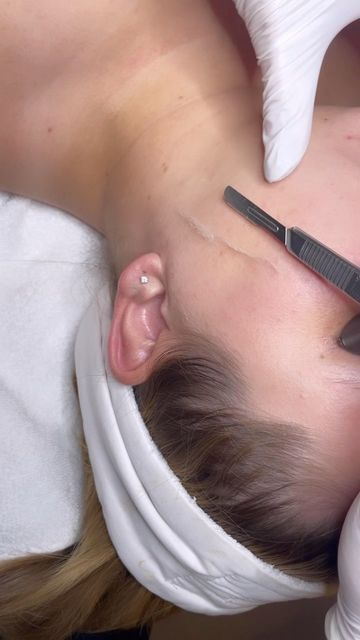
Professional dermaplaning removes:
- Peach fuzz
- Dead skin
- Part of your protective barrier
That triple removal leaves your skin exposed. If your skin already struggles with:
- Sensitivity
- Acne
- Hyperpigmentation
- Barrier weakness
You may experience irritation that exaggerates regrowth.
Regrowth looks worse on irritated skin
Inflamed skin casts shadows differently. It also swells slightly. That makes hair more visible when it grows back, even if nothing changed.
This is why some women swear dermaplaning ruined their face, while others love it.
Skin type matters more than technique
Sensitive skin
Sensitive skin reacts faster and recovers slower. Shaving amplifies every sensation. These skin types notice regrowth more intensely.
Acne prone skin
Shaving can spread bacteria if tools are not clean. That leads to bumps that make hair look thicker by comparison.
Dry skin
Dry skin exaggerates texture. Regrowth feels rougher against dehydrated skin.
Oily or resilient skin
These skin types often tolerate shaving better and experience smoother regrowth.
Your experience depends less on hair and more on skin behavior.
Does shaving increase hair growth speed?
No. Hair growth cycles stay unchanged.
What does happen is visibility timing. You notice regrowth faster because:
- You removed all visible hair at once
- You know exactly where to look
- You expect something bad to happen
Your brain stays on high alert.
How to minimize that thick looking regrowth
If you shave and want the least dramatic aftermath, do this.
Before shaving
- Cleanse gently
- Avoid acids or retinoids 24 hours before
- Shave damp skin only
- Use a fresh blade
During shaving
- Use light pressure
- Shave in one direction
- Do not go over the same area repeatedly
- Take your time
After shaving
- Apply calming products
- Avoid actives for 48 hours
- Moisturize well
- Use sunscreen daily
This routine does not stop regrowth. It makes regrowth behave better.
The truth most people avoid saying
Shaving is not for everyone. And that is okay.
If you already dislike facial hair, shaving will make you more aware of it. If you obsess over texture, shaving amplifies that awareness. If your skin hates disruption, shaving exposes it.
This does not mean shaving failed. It means your skin communicated its limits.
So are the myths true or not?
Let us be clear.
Hair does not grow back thicker, darker, or faster after shaving.
Hair can look thicker because blunt ends, skin irritation, and contrast play tricks on your eyes.
The difference between a good experience and a regret spiral usually comes down to:
- Skin prep
- Skin type
- Aftercare
- Expectations
FYI, the internet rarely talks about expectations.
Final thoughts
Shaving your face does not turn you into a different person. It does not rewrite your hair DNA. It simply changes how hair exits the skin.
If you prep properly, respect your skin, and understand what regrowth actually looks like, the fear fades fast. If you rush it or force it onto skin that hates it, regret shows up loudly.
So ask yourself this. Do you want smoother makeup and are you willing to manage regrowth calmly? Or do you prefer leaving peach fuzz alone and keeping your peace?
Both choices win. 🙂