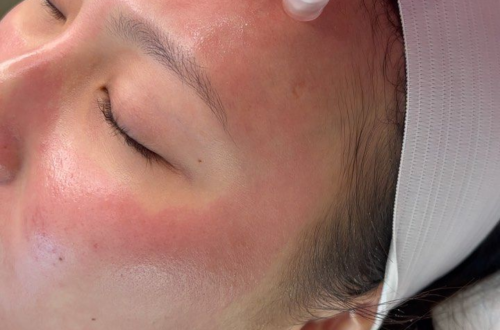
The answer is no. We’ve addressed this before, but we’ll talk about it again and explain why it’s not advisable to exfoliate every single day. Let’s get into the article.
Your skin looks dull. Your products feel like they just sit there. Someone on the internet says exfoliating every day changed their life. Now you’re staring at your shelf wondering if you should scrub your face like you’re washing a burnt pot. Been there.
I’ve exfoliated too much. I’ve exfoliated too little. I’ve exfoliated correctly and watched my skin glow quietly without drama. So let’s talk honestly about exfoliation, how it works, how often you actually need it, and why doing too much can mess things up fast.
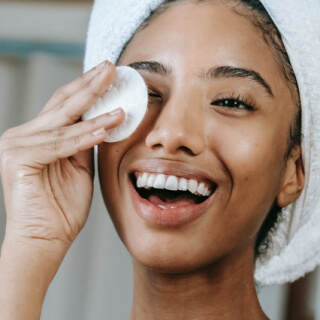
What Exfoliation Actually Does for Your Skin
Exfoliation removes dead skin cells that sit on the surface of your skin. These cells naturally shed, but sometimes they hang around longer than invited.
When that buildup happens, your skin can look rough, uneven, or dull. Products struggle to absorb. Makeup starts acting weird. Your glow clocks out early.
When exfoliation works well, you’ll notice:
- Smoother skin texture
- Brighter looking skin
- Better product absorption
- Less visible congestion over time
Sounds great, right. But here’s the thing. Exfoliation only works when your skin can recover properly. If you overdo it, your skin stops glowing and starts screaming.
The Two Main Types of Exfoliants You Need to Know
Before we talk frequency, you need to understand what you’re actually using. Not all exfoliants behave the same way, and your skin definitely notices.
Physical Exfoliants
These use manual friction to remove dead skin cells. Think scrubs, cleansing brushes, or textured powders.
Common examples include:
- Sugar scrubs
- Coffee scrubs
- Walnut or apricot scrubs
- Rice powder or oatmeal blends
Physical exfoliants work immediately. You feel the smoothness right away, which makes them satisfying. But they also carry more risk if you use them too often or scrub too hard.
IMO, most people get way too aggressive with these.
Chemical Exfoliants
These dissolve dead skin cells using acids or enzymes. No scrubbing involved.
Common types include:
- AHAs like glycolic acid and lactic acid for surface exfoliation
- BHAs like salicylic acid for clogged pores and oily skin
- PHAs for very sensitive skin
Chemical exfoliants feel gentler, but don’t let that fool you. They still exfoliate deeply, sometimes more than scrubs.
FYI, gentle does not mean harmless if overused.
Should You Really Be Exfoliating Every Day?
Your skin already exfoliates itself naturally. When you interfere too often, you disrupt your skin barrier, which protects against moisture loss and irritation.
Daily exfoliation can lead to:
- Sensitivity
- Burning or stinging
- Increased breakouts
- Flaky yet oily skin
- That tight uncomfortable feeling no one enjoys
If your skin constantly feels irritated but still looks dull, over exfoliation usually plays a role.
So let’s talk about smart frequency instead of skincare dares.
A Realistic Exfoliation Routine That Actually Works
How Often Should You Use Physical Exfoliants?
Physical exfoliation needs restraint. I learned this the hard way after thinking weekly scrubs made me disciplined.
Once a week is enough for most skin types.
Some people can stretch it to once every two weeks, especially if they use chemical exfoliants already.
If you scrub more than that, your skin doesn’t get time to rebuild its protective layer.
Use physical exfoliants when:
- Your skin feels rough
- You notice visible flaking
- You want instant smoothness before an event
Avoid scrubbing when your skin feels irritated or broken. That just turns a small issue into a long term problem :/
How Often Should You Use Chemical Exfoliants?
Chemical exfoliants depend on strength and skin type, but here’s a safe general guide.
Two to three times a week works for most people.
This frequency:
- Keeps pores clear
- Smooths texture gradually
- Maintains glow without stripping
If you use strong acids, start once a week and build up slowly. Your skin needs time to adapt, not pressure.
Daily acid use only works for very specific formulas and very resilient skin. Even then, I stay cautious.
Why Over Exfoliating Damages Your Skin Long Term
Over exfoliation doesn’t always show up immediately. Sometimes it creeps in quietly.
Here’s what happens when you exfoliate too often.
Your Skin Barrier Weakens
Your skin barrier holds moisture and blocks irritants. Over exfoliating breaks that barrier down.
Once that happens:
- Water escapes faster
- Products sting unexpectedly
- Your skin reacts to things it used to tolerate
This creates a cycle where you keep exfoliating to fix texture while causing more damage.
Your Skin Produces More Oil
When your skin feels stripped, it panics and produces more oil to compensate.
That leads to:
- Clogged pores
- Breakouts
- Shiny but dehydrated skin
People often think they need more exfoliation when they actually need less.
Your Skin Becomes Sensitive Over Time
Sensitivity isn’t always genetic. You can create it.
Exfoliating too often trains your skin to stay inflamed. Eventually, even gentle products cause reactions.
Once you reach this stage, healing takes patience. No shortcut fixes this.
Signs You Are Exfoliating Too Much
If you’re unsure, your skin already gave you clues.
Watch out for:
- Persistent redness
- Burning sensation during product application
- Flaking paired with oiliness
- Sudden breakouts in unusual areas
- That shiny glassy look that doesn’t feel healthy
Healthy skin looks calm, not stressed.

How to Balance Exfoliation With Recovery
Exfoliation works best when you respect recovery days.
On non exfoliation days, focus on:
- Hydration
- Barrier repair
- Soothing ingredients
Look for products with:
- Ceramides
- Panthenol
- Centella
- Glycerin
Think of exfoliation like exercise. Growth happens during rest, not during the workout itself.
Choosing the Right Exfoliant for Your Skin Type
Not every exfoliant suits every face. Match your product to your skin’s needs.
- Dry or sensitive skin benefits from lactic acid or PHAs
- Oily or acne prone skin responds well to salicylic acid
- Normal skin tolerates mild AHAs with ease
Avoid stacking exfoliants. Using a scrub and an acid in the same routine rarely ends well.
Do You Ever Need to Exfoliate Daily?
In rare cases, yes. But those cases involve:
- Extremely gentle formulas
- Skin already accustomed to acids
- Strong barrier support in place
Even then, I don’t recommend it casually. Skin thrives on balance, not extremes.
If your routine feels complicated, simplify it. Simple routines outperform aggressive ones long term.

Final Thoughts on Exfoliating Smarter
Exfoliation should support your skin, not punish it.
You don’t need daily scrubs to glow. You don’t need to chase smoothness every morning. You need consistency, patience, and recovery.
Stick to:
- Physical exfoliation once a week or less
- Chemical exfoliation two to three times a week
- Barrier focused care in between
Your skin will respond with calm, clarity, and that quiet glow everyone wants.
Next time someone tells you to exfoliate every day, smile politely and protect your barrier 🙂