Chemical peels sound fancy. Smooth skin, glow loading, texture who? But nobody really talks about the after part. The peeling, the stinging, the “why does my face feel tight like plastic wrap” phase. If you have ever considered a chemical peel or already booked one, this is the conversation you wish someone had with you earlier.
I have tried mild peels, seen friends go through medium ones, and watched people panic on day three when their skin started shedding like a snake. So let us talk about what chemical peels actually do, the side effects you might face, and how to care for your skin properly without losing your mind.
What a chemical peel actually does to your skin
A chemical peel exfoliates your skin using acids. These acids dissolve dead skin cells so fresh skin can come to the surface. Sounds simple, right? Well, your skin does not always love being told to shed layers.
Different peels work at different depths, and the deeper the peel, the stronger the reaction. Your skin responds because it sees the peel as controlled injury. That reaction explains most of the side effects people experience.
Types of chemical peels you should know about
Not all peels hit the same. Knowing what you used helps you understand what your skin goes through.
Superficial peels
These use mild acids like glycolic, lactic, or mandelic acid. They target the top layer of skin and usually cause minimal downtime.
Medium peels
These often use stronger acids like trichloroacetic acid. They penetrate deeper and cause visible peeling, redness, and sensitivity.
Deep peels
These go all in. Doctors usually perform them, and recovery takes weeks. Side effects feel more intense and last longer.
Ever noticed how someone says “my peel was easy” while another person says “never again”? The type matters a lot.
Common side effects of chemical peels
Let us get into the real stuff. Side effects do not mean something went wrong. They mean your skin responded to treatment.
Redness and irritation
Redness tops the list. Your skin reacts because acids disrupt the skin barrier.
You may notice:
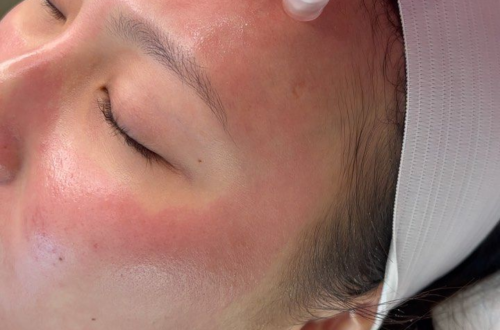
• Pink or red skin that looks sunburned
• Warm or tight feeling
• Mild stinging when applying products
This usually lasts a few hours to a few days depending on peel strength. IMO, redness scares people the most because it feels dramatic.
Peeling and flaking
Yes, peeling peels peel. Shocking, I know.
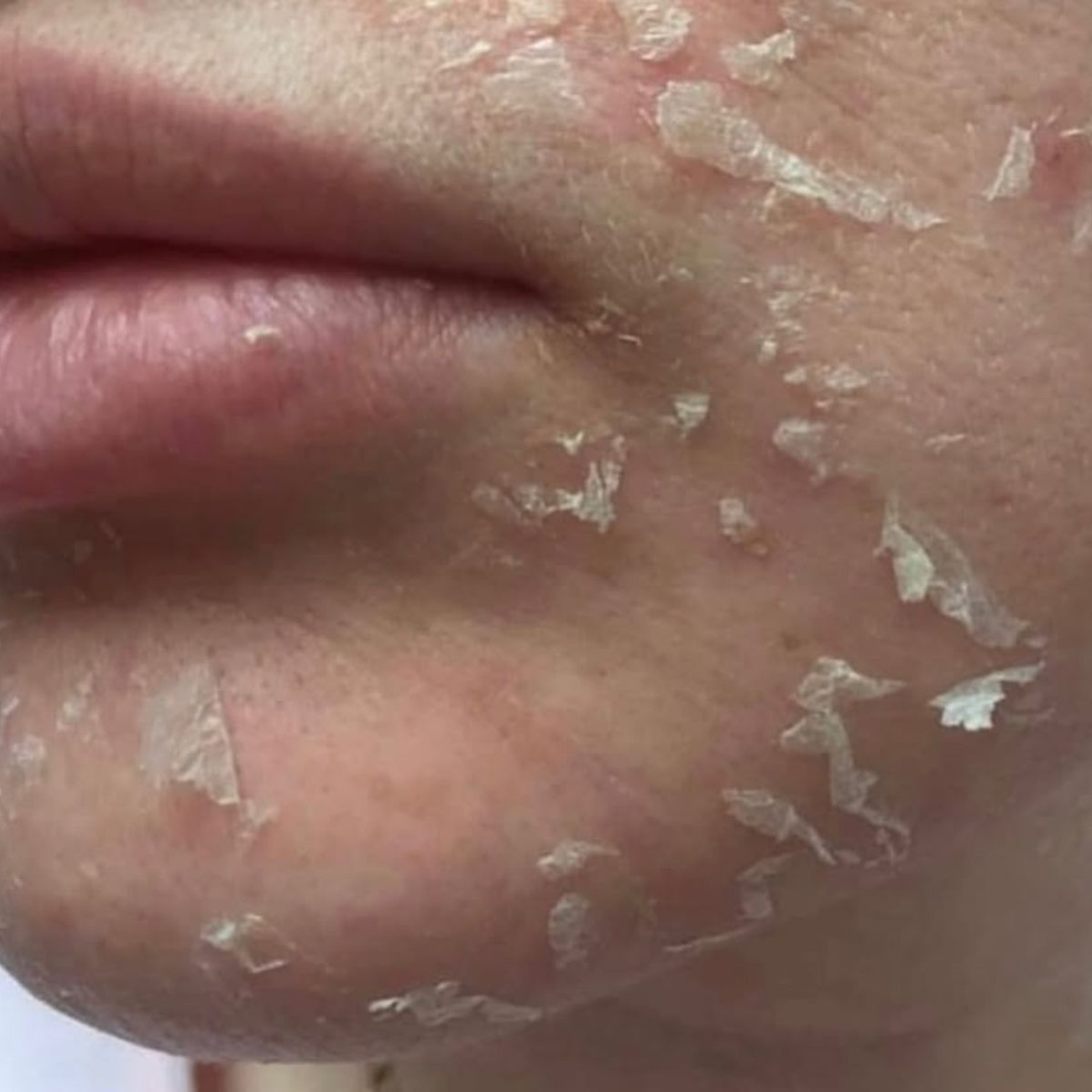
Your skin sheds dead layers after a few days. You may see flakes around the mouth, nose, or jaw first. Please resist the urge to pick. Picking delays healing and invites dark marks.
Dryness and tightness
Your skin barrier takes a hit after a peel. That damage leads to moisture loss.
Dryness can feel uncomfortable, especially when you smile or talk. Your skin may feel tight even after moisturizing. This side effect improves once your barrier recovers.
Sensitivity and burning sensations
Your skin becomes more sensitive to everything. Water feels harsh. Products sting. Even air feels aggressive sometimes.
This sensitivity happens because new skin lacks full protection. It fades as your skin rebuilds itself.
Breakouts after a peel
Yes, peels can cause breakouts. I know, rude.
Peels speed up cell turnover. That process pushes clogged pores to the surface. These breakouts usually clear faster than normal acne.
You may notice:
• Small whiteheads
• Tiny bumps
• Breakouts in usual acne areas
Think of it as your skin clearing house.
Less common but serious side effects to watch for
Not all reactions stay mild. Some side effects need attention.
Hyperpigmentation
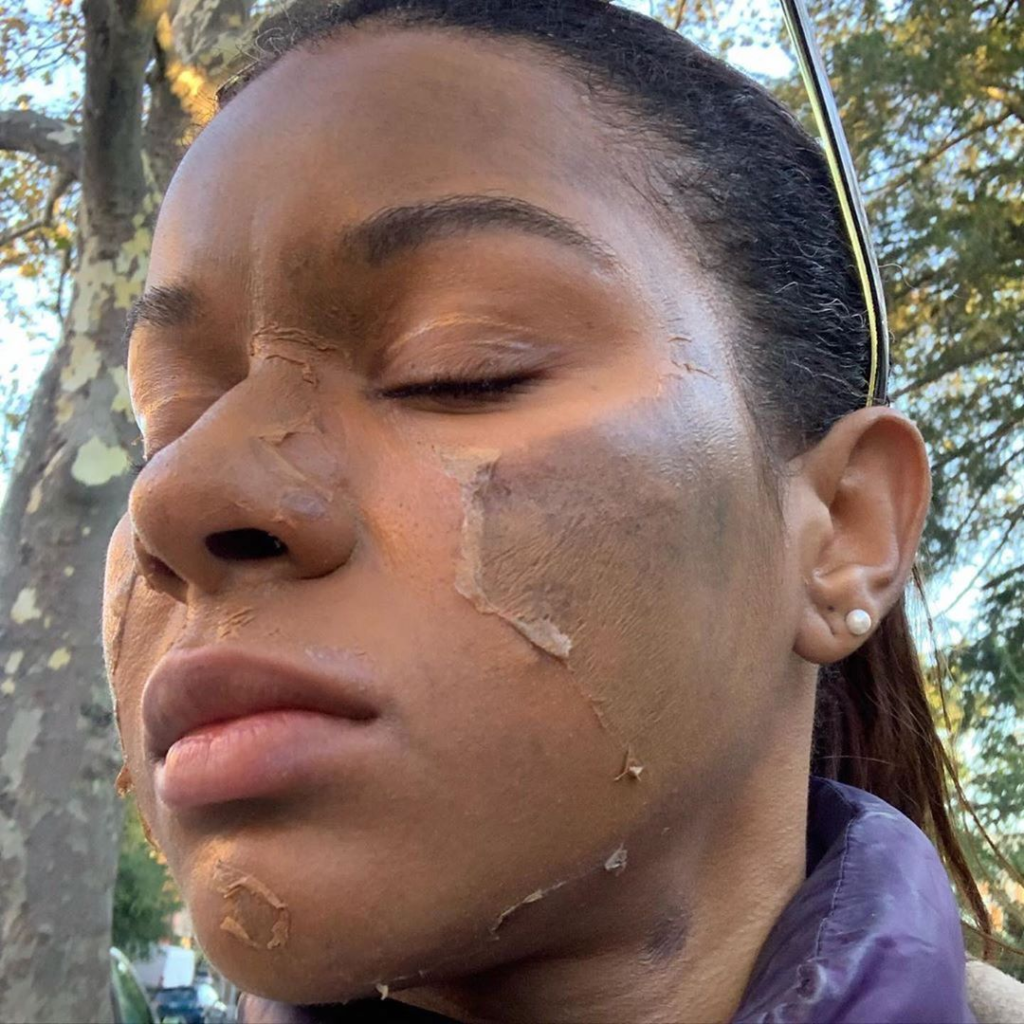
Dark spots can appear after a peel, especially on deeper skin tones. Sun exposure and picking increase this risk.
Hyperpigmentation happens when your skin produces extra melanin during healing. This side effect scares people with melanin rich skin for good reason.
Infection
Infections stay rare, but broken skin always carries risk. Signs include pus, increasing pain, or fever.
If anything looks suspicious, contact a professional immediately. Do not wait and hope for the best.
Scarring
Scarring usually results from deep peels, improper care, or aggressive picking. This side effect stays rare but possible.
Your aftercare routine plays a huge role in prevention.
How long side effects usually last
People always ask this question first.
Superficial peel side effects last about one to three days. Medium peels take one to two weeks. Deep peels take several weeks to months.
Healing depends on:
• Peel strength
• Your skin type
• Your aftercare routine
• Sun exposure
Ever noticed how two people heal differently from the same treatment? Skin stays personal.
How to care for your skin after a chemical peel
This part matters just as much as the peel itself. Good aftercare protects results and prevents damage.
Keep your routine boring
This is not the time to experiment.
Stick to:
• Gentle cleanser
• Basic moisturizer
• Sunscreen
Avoid actives like retinol, exfoliating acids, or vitamin C until your skin feels normal again.
Moisturize like your life depends on it
Hydration supports healing. A rich moisturizer helps repair the barrier and reduce tightness.
Look for:
• Ceramides
• Glycerin
• Hyaluronic acid
• Petrolatum or shea butter
Apply more often than usual. Your skin drinks moisture faster during healing.
Sunscreen becomes non negotiable
Fresh skin burns easily. Sun exposure worsens redness and causes hyperpigmentation.
Use a broad spectrum sunscreen every day. Reapply if you go outside. Even cloudy days count. FYI, windows do not block all UV rays.
Avoid heat and sweating
Heat irritates healing skin. Sweating increases inflammation and stinging.
Skip:
• Hot showers
• Saunas
• Intense workouts
Choose lukewarm water and light movement until your skin calms down.
Do not pick or peel flakes
I know the temptation feels real. Still, leave your skin alone.
Picking:
• Slows healing
• Increases pigmentation risk
• Raises scarring chances
Let flakes fall off naturally. Your future skin will thank you 🙂
Products that help skin recover faster
You do not need a 10 step routine. Focus on calming and repairing.
Best ingredients after a peel
Ceramides
They rebuild the skin barrier and reduce water loss.
Panthenol
This ingredient soothes irritation and supports healing.
Centella asiatica
Centella calms redness and reduces inflammation.
Niacinamide
Low strength niacinamide improves barrier function and reduces redness once skin tolerates it.
Introduce products slowly and listen to your skin.
When you should avoid chemical peels
Peels work great for many people, but timing matters.
Avoid peels if:
• You have active infections
• Your skin feels compromised
• You recently used isotretinoin
• You cannot commit to sun protection
Pregnancy also limits peel options. Always confirm safety first.
Chemical peels and darker skin tones
Let us talk honestly here.
Chemical peels work for darker skin tones, but they require caution. Hyperpigmentation risk increases when skin experiences inflammation.
If you have melanin rich skin:
• Choose superficial peels
• Prep skin properly
• Use sunscreen religiously
• Avoid aggressive treatments
Professional guidance helps a lot here.
How often should you get chemical peels
More does not mean better.
Superficial peels work well every four to six weeks. Medium peels require longer gaps. Deep peels usually stay one time treatments.
Over peeling damages the barrier and triggers breakouts and pigmentation. Balance matters.
Signs your skin heals well after a peel
Healing skin feels calmer each day. Redness fades. Texture improves. Your skin feels smoother and brighter.
If irritation worsens instead of improving, stop active products and seek help.
Your skin should not feel painful for long periods.
Are chemical peels worth it
Honestly? Yes, when done right.
Chemical peels improve:
• Texture
• Acne
• Hyperpigmentation
• Dullness
They also demand respect. Skipping aftercare ruins results fast.
Final thoughts on chemical peel side effects and skin care
Chemical peels deliver results, but they come with responsibility. Side effects happen because your skin works hard to renew itself. Redness, peeling, dryness, and sensitivity stay normal parts of the process.
Your job involves supporting healing, protecting your skin, and staying patient. No rushing. No picking. No sun neglect.
If you treat your skin gently after a peel, it rewards you with smoother texture and clearer tone. And if your skin needs a break, listen. Skin always tells the truth, even when we ignore it.
Thinking about your next peel? Now you know exactly what to expect and how to care for your skin like a pro.