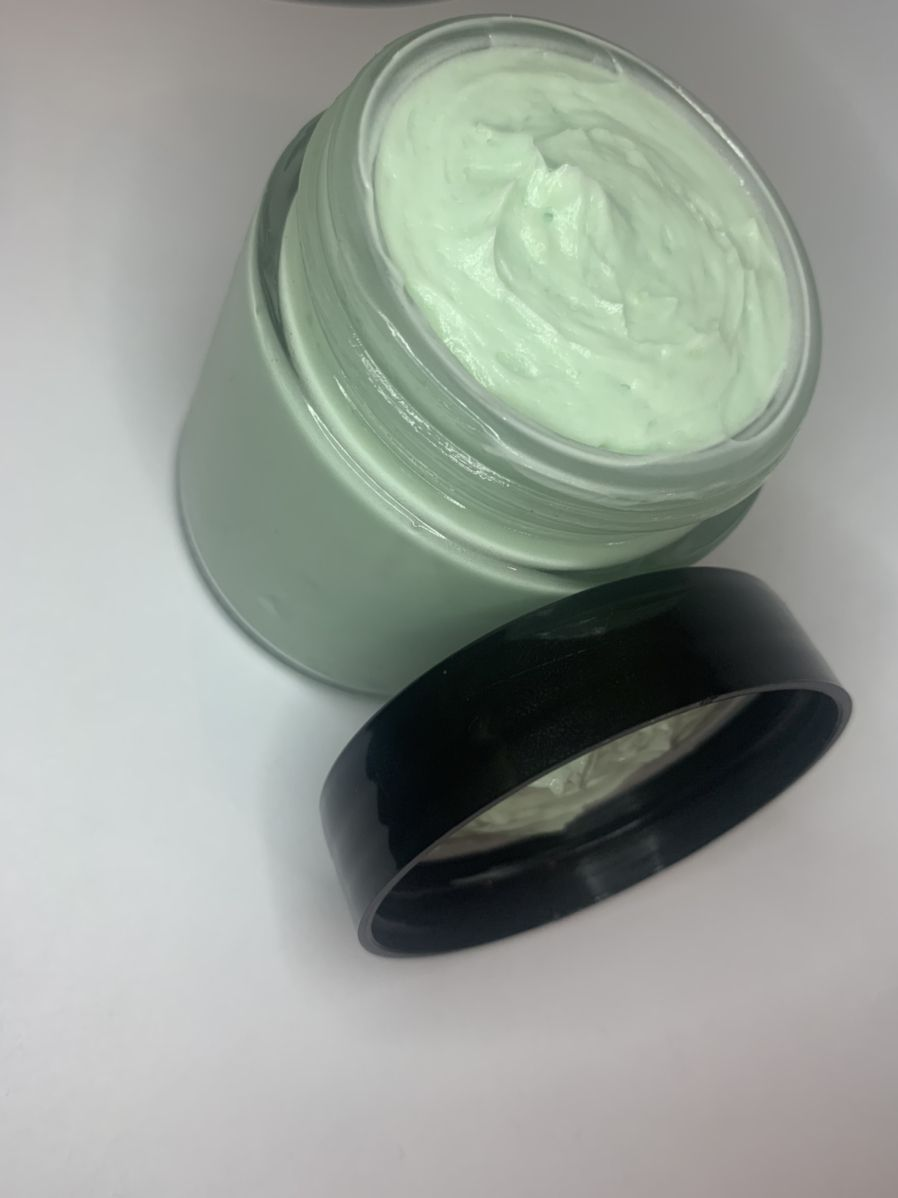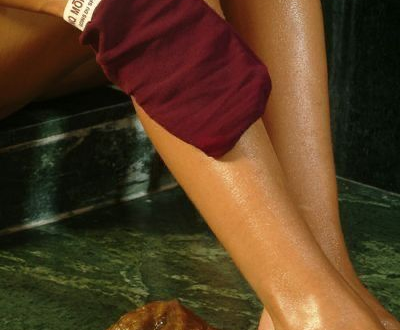
There’s something about the “Slavic glow” that people romanticize online.
Porcelain skin. Clear tone. That soft, almost luminous finish that looks healthy but never greasy. Minimal makeup. Groomed brows. Hair always done.
But here’s the part no one really talks about.
It’s not a secret serum.
It’s not a mystical gene.
And it’s definitely not a 12 step influencer routine.
When you look deeper into Slavic beauty culture across countries like Russia, Ukraine, Poland, and Belarus, you start to see something much more grounded.
Climate shaped the skin care philosophy.
And that changes everything.

Before We Begin, Let’s Clear the Myth
There is no single Slavic face. No universal porcelain gene.
“Slavic” includes countries like Russia, Ukraine, Poland, Serbia, Belarus, and more.
Different climates. Different histories. Different genetics.
But there are shared environmental pressures and cultural habits that shaped skin care behaviors across many Eastern European regions.
When you understand the climate, you understand the routine.
Climate Was the First Skincare Teacher

Eastern European winters are severe.
Long months of freezing temperatures. Indoor heating that dries the air. Wind exposure that damages the skin barrier.
When survival requires moisture, you don’t obsess over exfoliating acids.
You protect.
Historically, rural women used thick animal fat balms mixed with herbs to prevent windburn. Goose fat. Pork fat. Beeswax. Not aesthetic. But occlusive.
The mindset became:
Protect first. Correct later.
That philosophy still shows up in modern Slavic routines. Heavy creams in winter. Minimal over washing. Strong focus on barrier repair.
You can feel the logic in your own skin. When dry season hits, do you want glycolic acid or a rich cream?
Exactly.
The Fermented Dairy Ritual Is Real
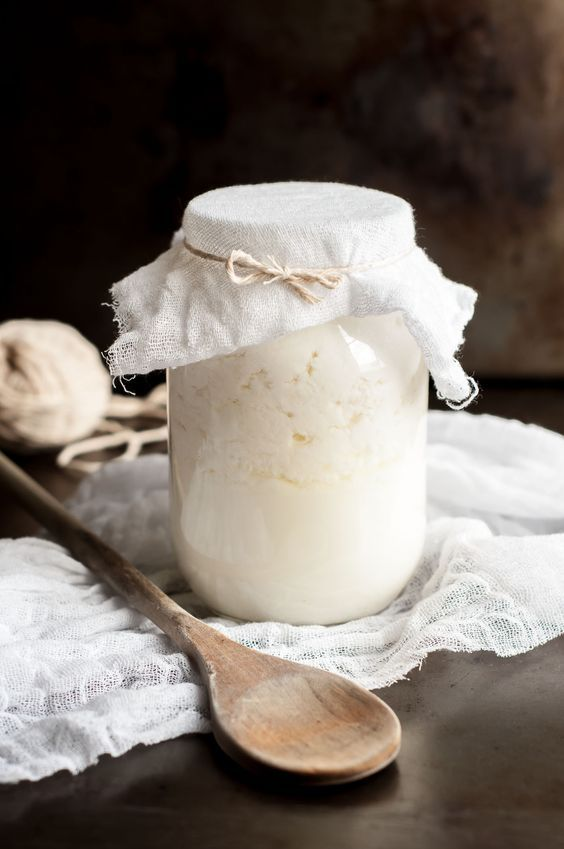
This one is not internet fantasy.
In rural households across Russia, Ukraine, and Poland, fermented dairy was abundant. Kefir. Fresh milk. Sour cream known as smetana.
Women used:
Sour cream masks for dry, irritated skin
Kefir as a mild exfoliating rinse
Milk compresses to soothe redness
Why did this work?
Lactic acid.
Fermented dairy contains natural alpha hydroxy acids in very gentle concentrations. Enough to soften texture without stripping the barrier.
It was primitive chemistry. Not marketing.
Modern lactic acid toners mirror this concept. The difference is standardization and stability.
But culturally, the origin was simple availability.
The Steam and Cold Contrast Tradition
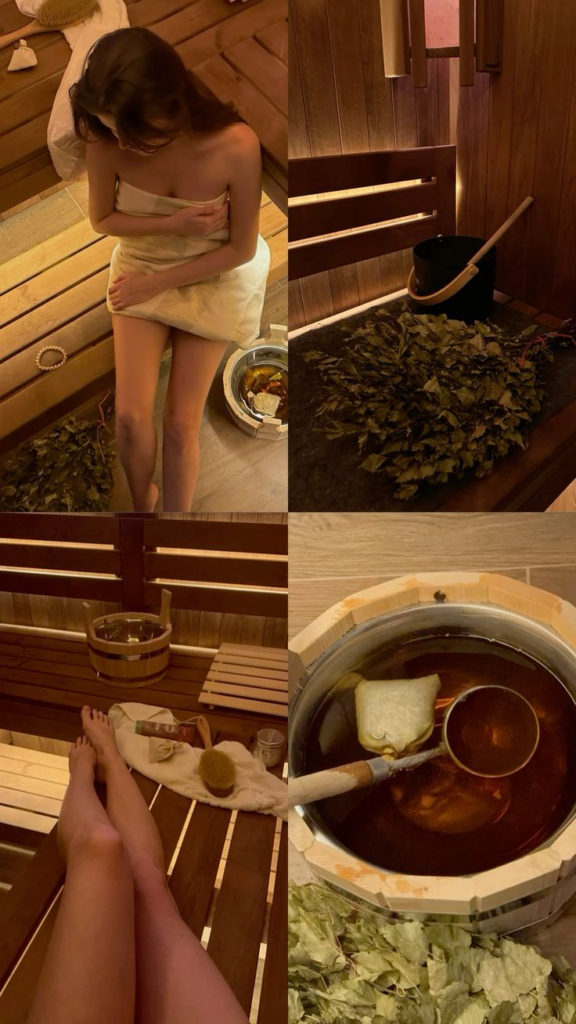
In Russia especially, the traditional steam bath called the Banya is central to wellness culture.
The banya involves:
High heat steam
Birch branch whisking known as venik
Cold plunge or snow exposure afterward
That dramatic temperature contrast trains blood vessels. It boosts circulation.
Improved circulation brings oxygen and nutrients to the skin. It creates that flushed, alive look.
Not permanent transformation. But consistent stimulation improves tone over time.
Even outside the banya, many women practice cold water face rinses in the morning.
Cold constricts temporarily. Reduces puffiness. Tightens appearance short term.
Temporary effects can still be useful.
Birch Sap and Seasonal Skin Care
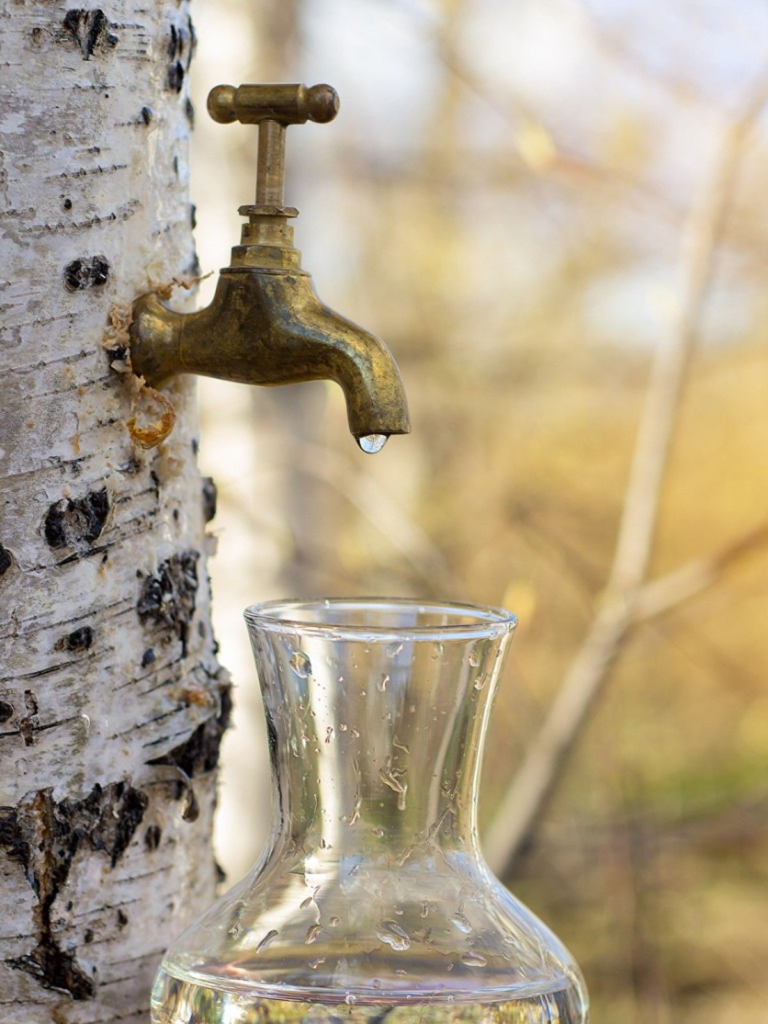
In spring, birch sap is traditionally collected in parts of Belarus and Russia.
It is consumed and sometimes applied topically.
Birch sap contains minerals, sugars, amino acids, and mild acids.
The deeper cultural principle here is seasonality.
Winter equals heavy occlusion.
Spring equals renewal and light hydration.
Traditional Slavic beauty is seasonal. Not rigid year round.
This adaptability is something modern routines often ignore.
Sea Buckthorn Is Not a Trend

Sea buckthorn oil is deeply embedded in Eastern European herbal medicine, especially in Russia and Ukraine.
It is rich in carotenoids and omega fatty acids.
Used traditionally for:
Wound healing
Sun damage
Hyperpigmentation
Cold damaged skin
It stains orange. It is potent. It is not cute influencer oil.
It reflects a deeper cultural relationship with medicinal plants.
The Grandmother Transmission
There is a strong бабушка culture. Grandmothers as educators.
Herbal knowledge was passed down quietly.
Chamomile infusions for irritation.
Calendula salves for sensitivity.
Herbal steams before winter events.
Skincare was not trend driven. It was family based knowledge.
Consistency began early.
Porcelain Skin and Social History

Historically, pale skin in Eastern Europe symbolized refinement and indoor labor status.
Hats. Headscarves. Limited sun exposure.
This cultural preference influenced behavior.
Sun avoidance was aesthetic long before sunscreen marketing existed.
Today, dermatologists in countries like Poland and Russia strongly emphasize SPF, especially because snow reflects UV radiation.
Pale does not equal better.
But intentional sun management contributes to even tone over time.
Grooming Standards Are High
This is rarely discussed.
In many Slavic countries, grooming is meticulous.
Brows maintained precisely.
Manicures consistently done.
Hair styled daily.
The glow is amplified by overall polish.
Skin appears clearer when the entire presentation is intentional.
It is discipline, not magic.
What Actually Creates That “Porcelain Glow”
It is not one product.
It is:
Barrier preservation in harsh climates
Consistent hydration
Circulation rituals
Seasonal adjustment
Sun management
High grooming standards
Long term routine loyalty
Genetics exist. Of course.
But environment plus discipline explains much of the aesthetic people romanticize.
Now Let’s Build a Culturally Inspired Routine That Makes Sense
Not fantasy. Adapted logic.
Morning
Gentle cream cleanser
Hydrating toner or essence
Balanced moisturizer appropriate to season
Sunscreen daily
Night
Thorough cleanse
Hydrating serum if needed
Rich cream in dry months
Facial massage for 3 to 5 minutes
Weekly
Herbal steam followed by cool rinse
Very mild exfoliation
Cold water splash in mornings
Seasonally
Winter equals thicker occlusives
Spring equals lighter hydration
Summer equals strict sun protection
Simple. Strategic. Sustainable.
Scientific Breakdown of Why This Works
Barrier protection reduces transepidermal water loss.
Reduced water loss equals smoother texture and better light reflection.
Mild lactic acid from fermented sources softens without aggressive barrier damage.
Steam improves microcirculation temporarily.
Cold contrast reduces puffiness.
Facial massage improves lymphatic drainage and fluid balance.
Sun avoidance reduces pigmentation triggers.
This is not mystical. It is physiology aligned with environment.
Does Slavic Skincare Work for Other Cultures and Complexions?
This is the question people don’t ask out loud.
Can you borrow a routine rooted in Eastern European climate and expect it to work if you live somewhere humid? Hot? Tropical? If your skin tone is deeper? If your melanin behaves differently?
Short answer: yes and no.
The principles work.
The exact structure might not.
Slavic skincare evolved in cold, dry climates like Russia and Ukraine where the air actively strips moisture from the skin.
If you live in a humid environment, your skin barrier is under different stress. You may not need thick occlusives year round. You might need lighter hydration and more sweat management.
But here’s what translates across cultures and complexions:
Barrier protection
Gentle cleansing
Seasonal adjustment
Sun management
Consistency
Those principles work whether your skin is fair, olive, brown, or deep.
Hydrated skin reflects light better on every complexion.
A calm barrier benefits every ethnicity.
Sun protection matters for every shade of melanin.
What changes is texture preference and product weight.
For deeper complexions, sun management is still critical. Hyperpigmentation can be more stubborn and longer lasting. Gentle routines that prevent inflammation are incredibly valuable.
For acne prone tropical skin, you may adjust thickness while keeping the barrier first philosophy.
So instead of copying the aesthetic, borrow the logic.
Adapt it to your climate.
Adapt it to your melanin.
Adapt it to your skin type.
The structure is flexible.
The mindset is universal.
Important Reality Check
Slavic women experience acne. Rosacea is common in cold climates. Hyperpigmentation exists. Not everyone is porcelain.
Romanticizing ethnic skin creates distortion.
What you can borrow is the structure. The discipline. The seasonal logic.
Not the fantasy. Thanks for reading. Follow us on pinterest to stay updated, see you next time 🙂