So, you’ve probably stared at the waxing aisle, scrolled through TikTok tutorials, or even asked your best friend whether sugar waxing or hard wax is the real MVP. The debate is endless: which method gives smoother skin, less pain, and fewer regrets? Let’s break it down, so you can finally pick a side (or maybe love both).
I’ve tried both, and honestly, each has its perks. But whether you go sugary sweet or stick with the classic hard wax, it depends on what your skin, hair, and patience can handle. Let’s dive in.
What Is Sugar Waxing?
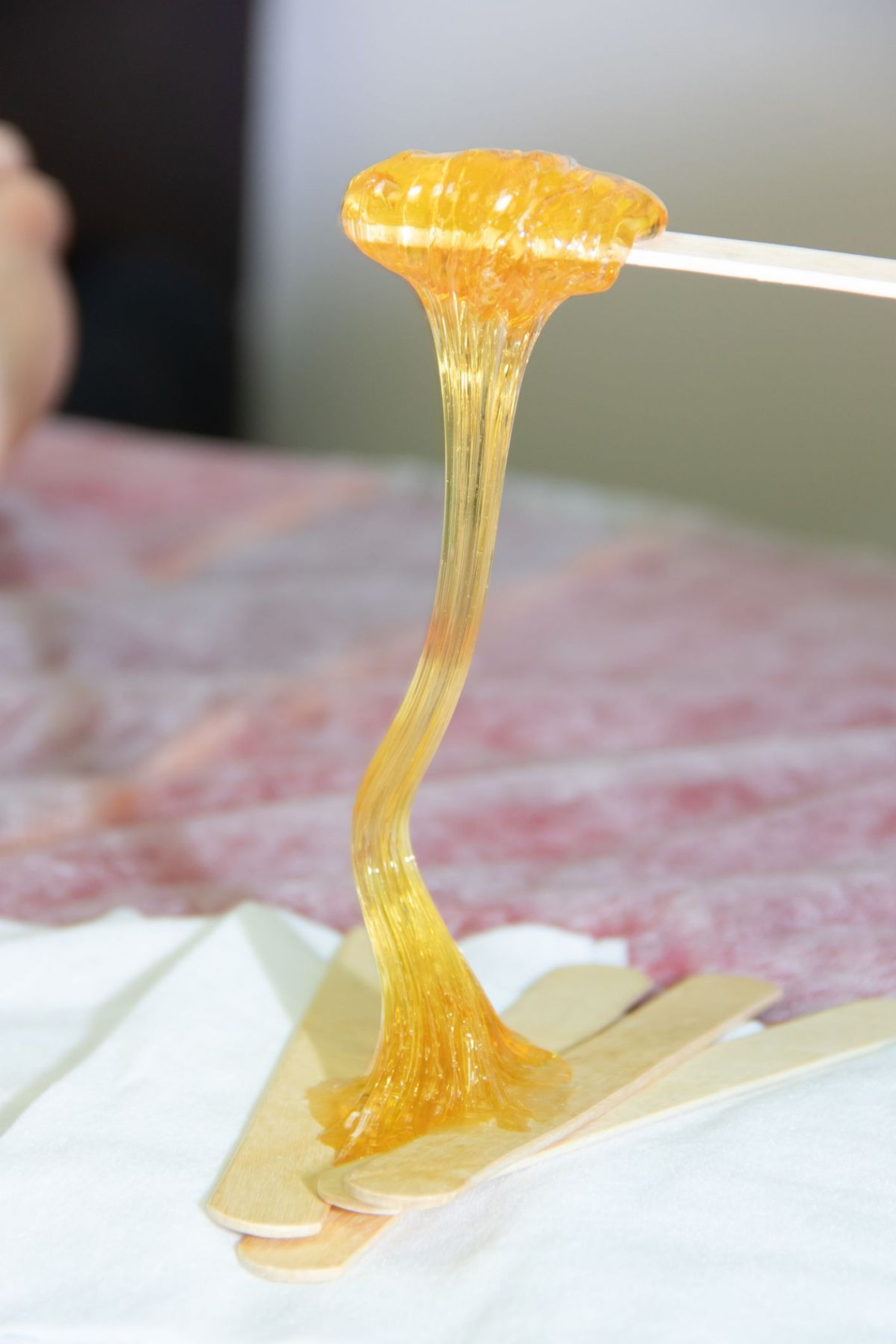
Sugar waxing is exactly what it sounds like: a sticky, sweet mixture of sugar, water, and lemon juice. That’s it. Minimal ingredients, minimal chemicals, minimal drama.
How It Works
- The sugar paste is applied warm (not hot) to the skin in the direction of hair growth.
- You then flick or pull it off against the hair growth, taking the hair with it.
- It’s reusable, meaning you can “roll” the paste back on if needed.
Why People Love It
- Gentle on skin: Sugar wax is water-soluble, so it rinses off easily. No chemical residue lingering.
- Less irritation: Because it’s natural, it tends to cause fewer red bumps, especially on sensitive areas.
- Exfoliation bonus: The sticky texture lightly scrubs dead skin as it removes hair.
- Great for short hairs: It can grab hair as short as 1–2 mm, meaning fewer missed spots.
Personally, I love sugar waxing in the summer when my skin is extra sensitive. No redness, and the exfoliation makes my legs glow.
What Is Hard Wax?
Hard wax, the classic wax you might have seen in salons, is made from resins, beeswax, and sometimes essential oils. It’s thicker, melts at a higher temperature, and hardens on your skin.
How It Works
- Apply warm hard wax directly to the skin against hair growth.
- Let it harden slightly, then peel it off in the opposite direction of hair growth.
- No cloth strips needed, it’s all in the wax itself.
Why People Love It
- Great for sensitive areas: Hard wax sticks to hair, not skin, so it’s less painful on areas like bikini lines or underarms.
- Longer-lasting results: Because it pulls hair from the root cleanly, regrowth can take 3–6 weeks.
- Covers larger areas: Perfect for legs or arms where a lot of hair needs removing.
I swear by hard wax for underarms, less tugging, less drama, and fewer red bumps.
Sugar Wax vs Hard Wax: The Pain Factor
Pain is always part of the waxing experience, unfortunately. But which one hurts less?
- Sugar Wax: Generally gentler because it adheres to hair, not skin. The flicking motion is smoother.
- Hard Wax: Can be more painful if the wax grabs your skin along with hair. But it’s usually better for sensitive areas since the wax lifts hairs cleanly.
Pro tip: If it’s your first time, start with sugar wax on legs and hard wax on sensitive spots. That way, you get the best of both worlds.
Skin Sensitivity and Irritation
Oily, dry, or combo skin? Sugar wax tends to be kinder across the board because it’s natural and water-soluble. Hard wax, depending on the formula, can sometimes leave a sticky residue or minor redness.
- Sugar Wax: Fewer red bumps, less inflammation, great for sensitive areas.
- Hard Wax: Best for hair-heavy areas, but may need a soothing gel after to calm the skin.
If you’re prone to irritation or breakouts after waxing, sugar is your friend. For more resilient skin, hard wax works fine.
Hair Types and Lengths
Different hair types react differently to wax.
- Sugar Wax: Works on shorter, finer hairs. Perfect for maintaining smooth skin in between hair growth cycles.
- Hard Wax: Great for coarse, thick hair. It pulls from the root more effectively, reducing the chance of ingrown hairs.
If you have mixed hair types (like fine on legs, coarse underarms), a combo approach can be ideal.
Clean-Up and Convenience
- Sugar Wax: Water-soluble, so any leftover paste washes off with warm water. No sticky mess lingering on towels or skin.
- Hard Wax: Can be messier and needs special wipes or oils to remove residue.
Personally, sugar wax wins in convenience, especially if you’re DIY-ing at home. Less cleanup = more Netflix time afterward.
Cost Considerations
- Sugar Wax: Usually cheaper. You can even make it at home with sugar, lemon juice, and water. Minimal ingredients, minimal money.
- Hard Wax: Slightly pricier due to ingredients and the professional salon preference. But worth it if you want precise application in sensitive areas.
DIY sugar waxing is a budget-friendly option, but if you’re looking for salon-quality hard wax results, expect to spend a little more.
Longevity of Results
- Sugar Wax: Hair removal can last 2–4 weeks, depending on growth. Regular use can weaken hair follicles over time.
- Hard Wax: Often lasts longer, 3–6 weeks. Stronger pull from the root gives smoother results for longer periods.
If you want maximum smoothness without frequent waxing, hard wax might edge out sugar. But sugar is perfect for regular maintenance.
Ingrown Hairs and Skin Health
Nobody likes ingrowns. Sugar wax can sometimes reduce them because it exfoliates as it removes hair, but it can be tricky with coarse hair. Hard wax pulls hair from the root cleanly, which also minimizes ingrowns, especially with thick hair.
- Tip: Exfoliate gently between waxes. Sugar waxing doubles as exfoliation, so your skin gets a glow and fewer ingrowns.
Which Should You Choose?
Here’s a simple breakdown:
| Factor | Sugar Wax | Hard Wax |
|---|---|---|
| Pain | Gentler, smooth pull | More intense, but cleaner on sensitive areas |
| Skin Sensitivity | Excellent | Good for strong hair areas |
| Hair Length | Shorter hairs OK | Best for medium to coarse hairs |
| Cleanup | Easy, water-soluble | Messier, needs oils |
| Cost | Cheap / DIY friendly | Salon-preferred, more expensive |
| Longevity | 2–4 weeks | 3–6 weeks |
| Exfoliation | Yes | Minimal |
Honestly, both are winners depending on what you need. I often rotate: sugar for legs and arms, hard wax for underarms and bikini. This combo keeps skin smooth, reduces pain, and avoids unnecessary bumps.
Final Thoughts
So, sugar waxing or hard wax? There’s no one-size-fits-all answer. Sugar waxing is natural, gentle, and beginner-friendly. Hard wax is precise, longer-lasting, and great for sensitive or coarse hair areas.
Here’s my takeaway: understand your skin and hair type, then choose accordingly. You don’t have to commit to just one — in fact, mixing them is the ultimate hack for smooth skin.
At the end of the day, whichever method you pick, do it with care, exfoliate gently between sessions, and moisturize afterward. Your skin deserves a little love (and smoothness) without the drama.