I’m sure if you’re not living under a rock, you must have seen this product, especially if you struggle with hyperpigmentation. It was trending on socials at one point, and everyone and their cousin swears it got rid of their dark inner thighs and pits. Tretinoin gel has become almost legendary in skincare circles. People talk about it like it’s a magic wand, but as with all strong actives, there’s more to it than meets the eye.
I’ve tried it myself, and while I won’t pretend it’s perfect for everyone, I do think it deserves a proper breakdown. So let’s chat about what it can do for your skin, the risks, and what results are actually realistic.
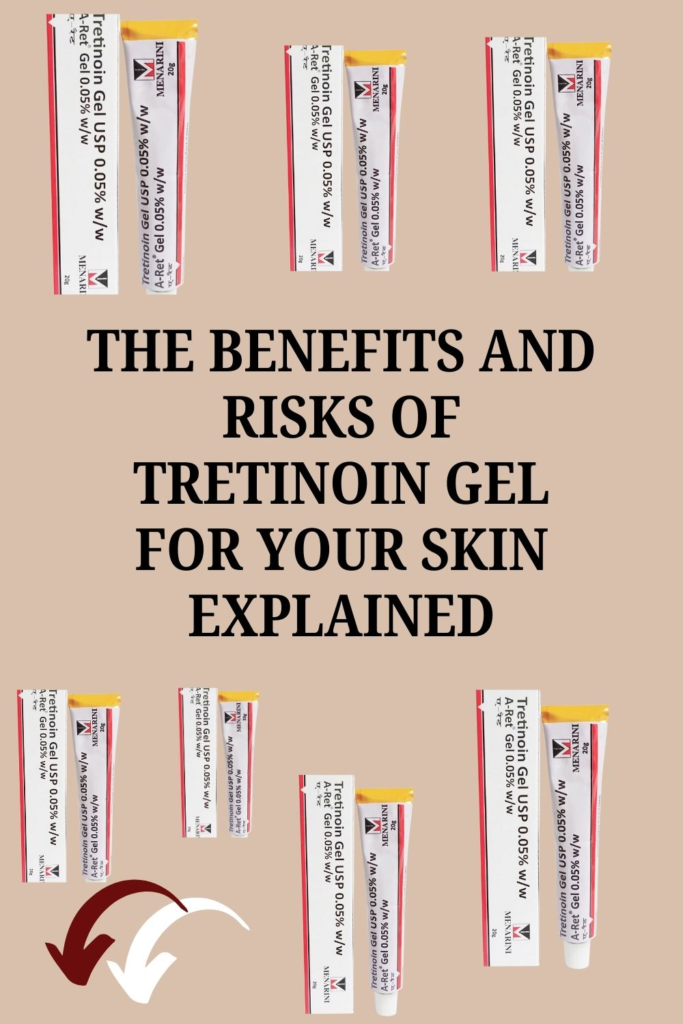
What is Tretinoin Gel Anyway?
At its core, tretinoin gel is a topical retinoid, which basically means it’s a vitamin A derivative you put on your skin. Think of it as a little wake-up call for your skin cells. It encourages your skin to shed old cells faster and boosts collagen production, which is why it’s loved for everything from fine lines to stubborn dark spots.
Honestly, I remember being scared the first time I read about it. Vitamin A in a gel that literally changes your skin? It sounded like magic or witchcraft. But it works, seriously, it really does.
Why People Swear By It
So why did tretinoin become the darling of skincare? Let’s break it down.
1. Hyperpigmentation Fighter
Ever noticed that your skin has areas that just refuse to even out? Inner thighs, underarms, elbows… the struggle is real. Tretinoin helps:
- Fade dark spots by speeding up cell turnover
- Prevent new spots from forming as quickly
- Even skin tone over time
The key is patience. You won’t wake up tomorrow with even-toned pits, but over a few weeks, the difference is noticeable.
2. Anti-Aging Benefits
Yeah, tretinoin isn’t just for dark spots. It’s also a superstar for fine lines and wrinkles. How? By stimulating collagen production, your skin gains firmness and elasticity. Imagine your skin saying, “Hey, I’ve got this!” and actually meaning it.
3. Acne Control
If adult acne is haunting you, tretinoin can help there too. It unclogs pores, reduces breakouts, and even prevents scarring. I’ve seen people who struggled with stubborn pimples finally breathe a sigh of relief after consistent use.
How to Use Tretinoin Gel Without Losing Your Mind
Now, listen, tretinoin isn’t like slapping on a moisturizer and calling it a day. You’ve got to play it smart.
Start Slow, Seriously
- Frequency: Begin with 2–3 nights a week, gradually moving to nightly use
- Amount: A pea-sized dab for the entire face is enough
- Layering: Skip harsh exfoliants at first
Your skin might throw a tantrum at first. Dryness, redness, flaking… it’s called the retinization period, and yes, it’s normal. FYI, slathering on more gel won’t speed up results, it just ups irritation.
Moisturizer is Your Best Friend
Apply a light, non-comedogenic moisturizer before or after tretinoin (some call it buffering). It helps reduce dryness without interfering with the gel’s magic. Trust me, your skin will thank you.
Sun Protection is Non-Negotiable
Tretinoin makes your skin more sensitive to UV rays, so SPF is your BFF. Daily sun protection is mandatory, even on cloudy days or if you’re just chilling at home. No exceptions.
What to Expect: Real Results
Now, let’s be honest. Everyone wants before-and-after miracles, but here’s the tea:
- Week 1–2: Some redness, flaking, and a bit of panic (“Did I just make my skin worse?”)
- Week 4–6: Skin starts to look smoother, spots may begin fading
- Week 8–12: More even tone, improved texture, and minor anti-aging effects
Consistency is key. Skipping nights because you “feel fine” slows progress. I know, it’s tempting, but your future skin will judge you if you slack.
Potential Risks: Not All Sunshine and Rainbows
I won’t sugarcoat it. Tretinoin gel isn’t risk-free. Here’s what could happen if you’re not careful:
Common Side Effects
- Redness and irritation
- Dryness and peeling
- Mild burning or stinging
Rare But Serious
- Severe allergic reactions (rare, but possible)
- Excessive peeling leading to infection if overused
Honestly, these risks are usually avoidable if you follow instructions. And trust me, the internet loves to over-dramatize the horror stories.
Who Should Avoid It
Not everyone should jump on the tretinoin train. Avoid if:
- You’re pregnant or breastfeeding
- You have extremely sensitive skin prone to eczema flare-ups
- You’re using other harsh prescription treatments that might interact
If in doubt, consult a dermatologist first. FYI, this isn’t optional if you want your skin intact.
My Personal Take: The Good, the Meh, and the LOL
Honestly? I’ve tried tretinoin, and I have to admit, it’s powerful. But it’s not glamorous. Here’s my breakdown:
- The Good: Hyperpigmentation fades, skin texture improves, breakouts reduce
- The Meh: Redness and flakiness can make you look like a flaky pastry for a few weeks
- LOL Moments: Accidentally applying too much and peeling like a shedding lizard. Not cute, but hilarious in retrospect
IMO, if you can survive the adjustment period, the results are worth it.
Tips to Maximize Results
To get the best out of tretinoin, here’s my tried-and-tested advice:
- Patience is literally everything
- Moisturize like your life depends on it
- Use sunscreen religiously
- Avoid harsh scrubs or exfoliants during the first months
- Track progress with photos, you’ll see results even when your brain says “meh”
Common Myths About Tretinoin
Let’s bust some popular myths while we’re here:
Myth 1: It Makes Your Skin Thinner
False. Tretinoin increases collagen, so it actually strengthens skin over time. The peeling phase just makes it look thinner temporarily.
Myth 2: You Need a Super-High Strength to See Results
Nope. Low-strength formulations work too. Overdoing it just gives irritation without faster results.
Myth 3: You’ll See Instant Results
LOL, if you think you’ll have perfect pits in a week, rethink. Skin renewal takes time. Tretinoin is a marathon, not a sprint.
Where to Get It and How Much
Tretinoin gel is prescription-only in most countries, so you’ll need a dermatologist. Prices vary:
- US: $30–$150 depending on brand and strength
- Europe: €20–€100
- Other regions: Check local pharmacies or online consultation options
FYI, the cheapest isn’t always best. Sometimes branded options feel gentler on sensitive skin.
Final Thoughts: Is Tretinoin Actually Worth the Hype?
Here’s the bottom line: yes, if you use it correctly. It’s not a magic potion, but it is one of the most effective tools for hyperpigmentation, acne, and early anti-aging. The adjustment period sucks, but it’s temporary. Patience, protection, and consistency will pay off.
Honestly, if you can survive a few weeks of flaky, red skin and religious sunscreen, your future self will thank you with smoother, brighter, and healthier skin.
So, are you ready to see what the hype is all about? Tretinoin gel isn’t for everyone, but for those who stick with it, the real results are worth the commitment. And hey, if you’re one of those people whose inner thighs finally match the rest of your skin, you can send me a virtual high-five. I’ll be over here, cheering. 🙂