If skincare acids ever made you pause mid scroll and think, why are there so many and why do they all sound intense, you are not alone. Acids get hyped a lot, but no one really explains them in a calm, normal way. Everyone just throws percentages around and hopes you figure it out.
I learned about acids the hard way. I used the wrong one at the wrong time, ignored my skin barrier, and spent weeks repairing damage instead of glowing. So let’s talk properly about what acids are best for what problems, without panic, without fear mongering, and without pretending everyone’s skin behaves the same.

First Things First: What Do Acids Actually Do
Acids help your skin shed old cells, unclog pores, smooth texture, fade dark marks, and boost glow. Each acid works differently, which explains why one person swears by glycolic acid while another cannot tolerate it at all.
Think of acids as tools. You would not use the same tool for every job, right? Same idea here.
AHAs: Best for Texture, Glow, and Dull Skin
AHAs work on the surface of your skin. They remove dead skin cells and reveal brighter skin underneath.
Glycolic Acid
This one stays popular for a reason.
Glycolic acid has small molecules, so it penetrates quickly and works fast. I reach for it when my skin looks dull and uneven.
Best for
- Dull skin
- Rough texture
- Mild hyperpigmentation
- Uneven tone
If your skin feels tired and flat, glycolic acid usually wakes it up.
Lactic Acid
Lactic acid works gently and hydrates while exfoliating.
I recommend this one if your skin reacts easily but still wants results.
Best for
- Dry skin
- Sensitive skin
- Uneven texture
- Beginner exfoliation
Ever wanted smoother skin without the sting? This fits perfectly.
Mandelic Acid
This acid moves slowly and stays kind to deeper skin tones.
Mandelic acid works well if you worry about irritation or post inflammatory hyperpigmentation.
Best for
- Darker skin tones
- Acne prone skin
- Sensitive skin
- Mild discoloration
IMO, mandelic acid feels underrated but incredibly reliable.
BHAs: Best for Acne and Clogged Pores
BHAs work inside the pores. They dissolve oil and debris instead of sitting on the surface.
Salicylic Acid
This one handles acne like a professional.
Salicylic acid penetrates oily pores and reduces inflammation. I rely on it during breakouts or congestion.
Best for
- Acne
- Blackheads
- Whiteheads
- Oily skin
If your pores clog easily, this acid understands the assignment.
Betaine Salicylate
This acts like a gentler cousin to salicylic acid.
It delivers similar benefits with less irritation.
Best for
- Sensitive acne prone skin
- Mild congestion
- Combination skin
If salicylic acid feels too strong, this offers balance.
PHAs: Best for Sensitive and Compromised Skin
PHAs exfoliate slowly and support hydration at the same time.
Gluconolactone
This acid exfoliates gently and strengthens the skin barrier.
I love this for skin that reacts to almost everything.
Best for
- Rosacea prone skin
- Sensitive skin
- Dry skin
- Beginners
If your skin hates drama, PHAs keep things peaceful.
Lactobionic Acid
This acid hydrates deeply while exfoliating lightly.
It suits mature skin and fragile barriers.
Best for
- Aging skin
- Dry skin
- Post treatment skin
Ever wanted glow without irritation? This delivers that energy.
Azelaic Acid: Best for Hyperpigmentation and Redness
Azelaic acid works differently from exfoliating acids.
It reduces inflammation, evens tone, and controls acne bacteria.
Best for
- Dark spots
- Melasma
- Post acne marks
- Rosacea
I recommend this a lot for deeper skin tones because it treats pigmentation gently and safely.
Tranexamic Acid: Best for Stubborn Dark Patches
Tranexamic acid focuses on pigment control.
It works especially well for melasma and hormonal discoloration.
Best for
- Melasma
- Uneven skin tone
- Sun induced pigmentation
If dark patches refuse to fade, this helps calm pigment production.
Kojic Acid: Best for Brightening Dark Spots
Kojic acid targets melanin production directly.
It brightens areas of discoloration over time.
Best for
- Dark spots
- Acne marks
- Uneven tone
Use this carefully and pair it with sunscreen. Pigment care always needs protection.
Ferulic Acid: Best for Antioxidant Support
Ferulic acid boosts the effectiveness of vitamin C and E.
It protects your skin from environmental stress.
Best for
- Dull skin
- Aging concerns
- Sun damage
This acid supports glow rather than exfoliation.
Which Acid Should You Choose Based on Your Skin Problem
Here’s a simple breakdown.
Acne and clogged pores
- Salicylic acid
- Betaine salicylate
Dark spots and hyperpigmentation
- Azelaic acid
- Tranexamic acid
- Kojic acid
Texture and dullness
- Glycolic acid
- Lactic acid
Sensitive skin
- Mandelic acid
- PHAs
Aging and fine lines
- Glycolic acid
- Lactic acid
- Ferulic acid
Ever wondered why acids feel confusing? This clarity changes everything.
How Often Should You Use Acids
More does not mean better.
Most people benefit from two to three times per week. Daily use only suits specific gentle acids.
Signs you need to slow down include:
- Burning
- Excess dryness
- Sudden breakouts
- Increased sensitivity
Your skin improves when you listen instead of pushing harder.
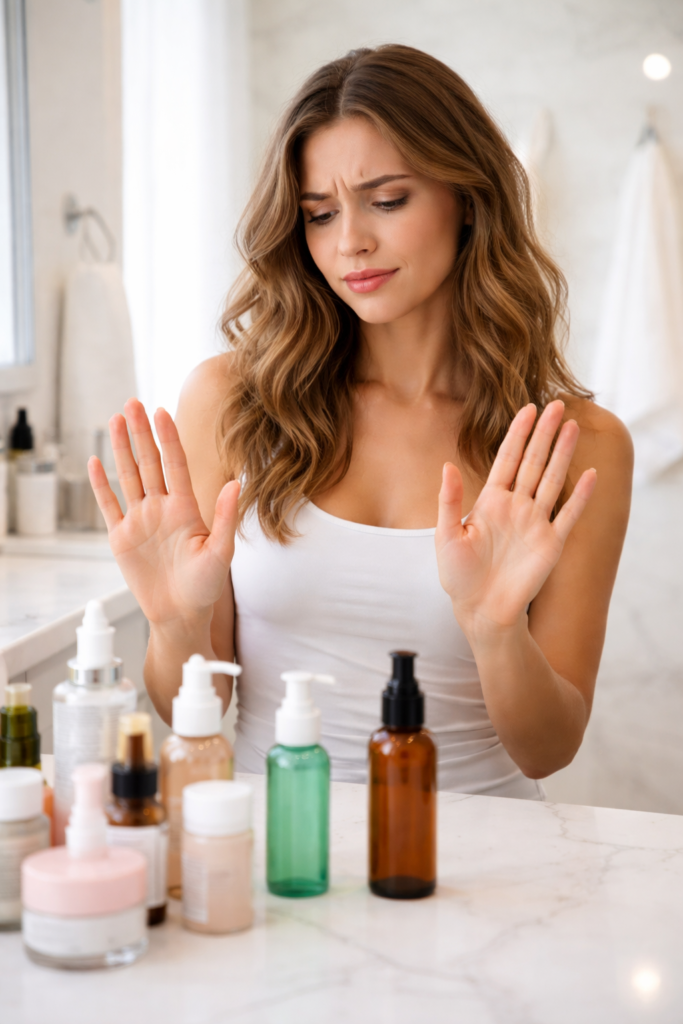
Mistakes People Make With Acids
Let’s be honest.
People ruin their skin by:
- Layering too many acids
- Skipping sunscreen
- Ignoring hydration
- Using high percentages too fast
Healthy skin glows because it stays balanced, not because it gets attacked.
Can You Mix Acids
Sometimes yes, sometimes no.
Safe combinations include:
- Azelaic acid with gentle AHAs
- PHAs with most actives
Avoid combining:
- Strong AHAs and BHAs together
- Acids with retinoids on the same night
If your skin tingles aggressively, it usually means no.
Final Thoughts
Acids work beautifully when you match them to your skin’s actual needs. There is no universal best acid, only the right one for your problem.
If you remember one thing, remember this. Clarity beats intensity. Choose wisely, go slow, and protect your skin.