If you’ve ever watched a baby video online or held a little one in your arms, you probably noticed their skin: soft, smooth, and seemingly perfect. But then, you might have seen tiny red patches, dry spots, or rashes and thought, wait, what’s going on there?
Even though I don’t have a baby myself (yet!), I’ve always been curious about why baby skin can be so sensitive and prone to dryness or irritation. What causes it? How do parents know what’s normal and what’s not? I did some research, asked questions, and learned a lot about why babies get rashes and dry skin, the triggers behind it, and what actually helps keep their skin healthy.
In this article, I’m sharing everything I found out in a friendly, easy-to-understand way. Perfect if you’re a parent, planning to be one, or just a curious human who loves learning about skincare for the tiniest humans.
Why Baby Skin Is So Sensitive
Babies Aren’t Just Mini Adults
First off, let’s get this straight: babies’ skin is not just smaller adult skin. It’s thinner, more delicate, and way more prone to irritation.
Think of it like this: baby skin is basically a soft, delicate pillowcase that’s trying to protect the body but hasn’t fully learned how yet. That’s why even gentle fabrics, soaps, or weather changes can trigger rashes or dryness.
Immature Skin Barrier
A baby’s skin barrier is still developing in the first few months of life. This barrier is what keeps moisture in and irritants out. When it’s not fully formed:
- Moisture escapes easily, causing dry patches
- Irritants penetrate more easily, leading to rashes
- Skin becomes reactive to everything from detergents to drool
Basically, the skin is working overtime, and sometimes it just can’t keep up.
Common Causes of Baby Rashes
Ever wonder why a baby’s skin suddenly looks like it went through a tiny war? Here’s a breakdown.
Diaper Rash
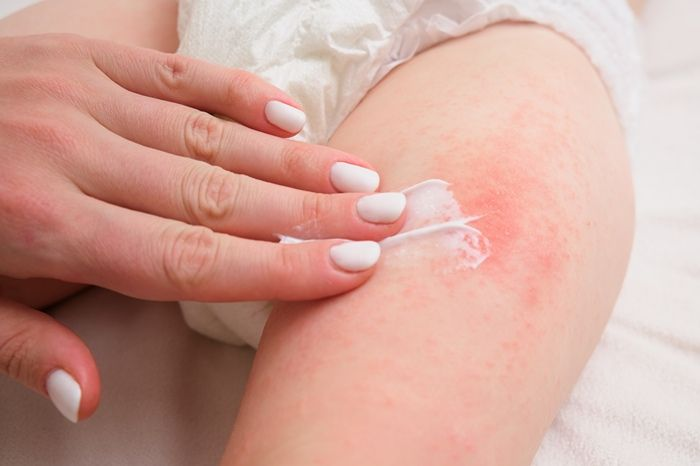
Ah, the classic. Diaper rash happens when moisture, friction, and bacteria team up against your baby’s skin.
Signs include:
- Red, irritated skin in the diaper area
- Occasional small bumps or blisters
- Fussiness during diaper changes
Tip: Frequent diaper changes and a zinc oxide–based cream can do wonders. Trust me, those tiny buns appreciate it.
Heat Rash
Babies get hot easily, and heat rash happens when sweat gets trapped under the skin.
You might see:
- Tiny red bumps
- Patches that look bumpy or sandpapery
- Rash in folds of the neck, armpits, or groin
Solution? Keep the baby cool and dress them in lightweight, breathable fabrics. And no, turning on the AC to “Arctic” levels is optional, but slightly helpful 😉
Eczema
Eczema is a bit more persistent. It often shows up as dry, itchy, red patches, sometimes on the cheeks, arms, or legs.
Why it happens:
- Genetics (thanks, parents!)
- Overactive immune response
- Skin barrier dysfunction
Eczema requires extra gentle care and consistent moisturizing, but it’s manageable. More on that below.
Allergic Reactions
Sometimes rashes pop up due to allergens. Think: new detergent, soaps, lotions, or even foods if baby’s eating solids.
Indicators include:
- Sudden rash after introducing a new product
- Hives or bumps
- Swelling in some areas
If this happens, stop the suspected trigger and consult a pediatrician.
Dryness
Dry skin is extremely common in babies, especially in cold weather. The main causes:
- Low humidity indoors
- Harsh soaps or frequent bathing
- Natural immaturity of the skin barrier
Dry skin can feel tight, look flaky, and sometimes itch. Moisturizing right after a bath can make a huge difference.
How Weather Affects Baby Skin
Yes, weather matters more than you think.
Cold, Dry Air
Winter air can suck moisture from the skin, leaving it dry and flaky. Indoor heating doesn’t help either.
Tip: Use a humidifier and keep the skin moisturized with gentle creams. Even a small amount applied while the skin is slightly damp helps lock in moisture.
Hot, Humid Weather
High heat and humidity can trigger sweat-related rashes or worsen eczema. Babies may get irritated in skin folds.
Tip: Light, breathable clothing and short, cool baths can help prevent overheating.
Practical Tips to Prevent Rashes and Dryness
Here’s where the magic happens, simple, realistic things you can do daily.
Gentle Cleansing
Babies don’t need harsh soaps. Stick to:
- Fragrance-free cleansers
- Lukewarm water
- Short baths (5–10 minutes)
Avoid bubble baths and anything heavily scented, they’re fun for us but not for baby skin.
Moisturizing
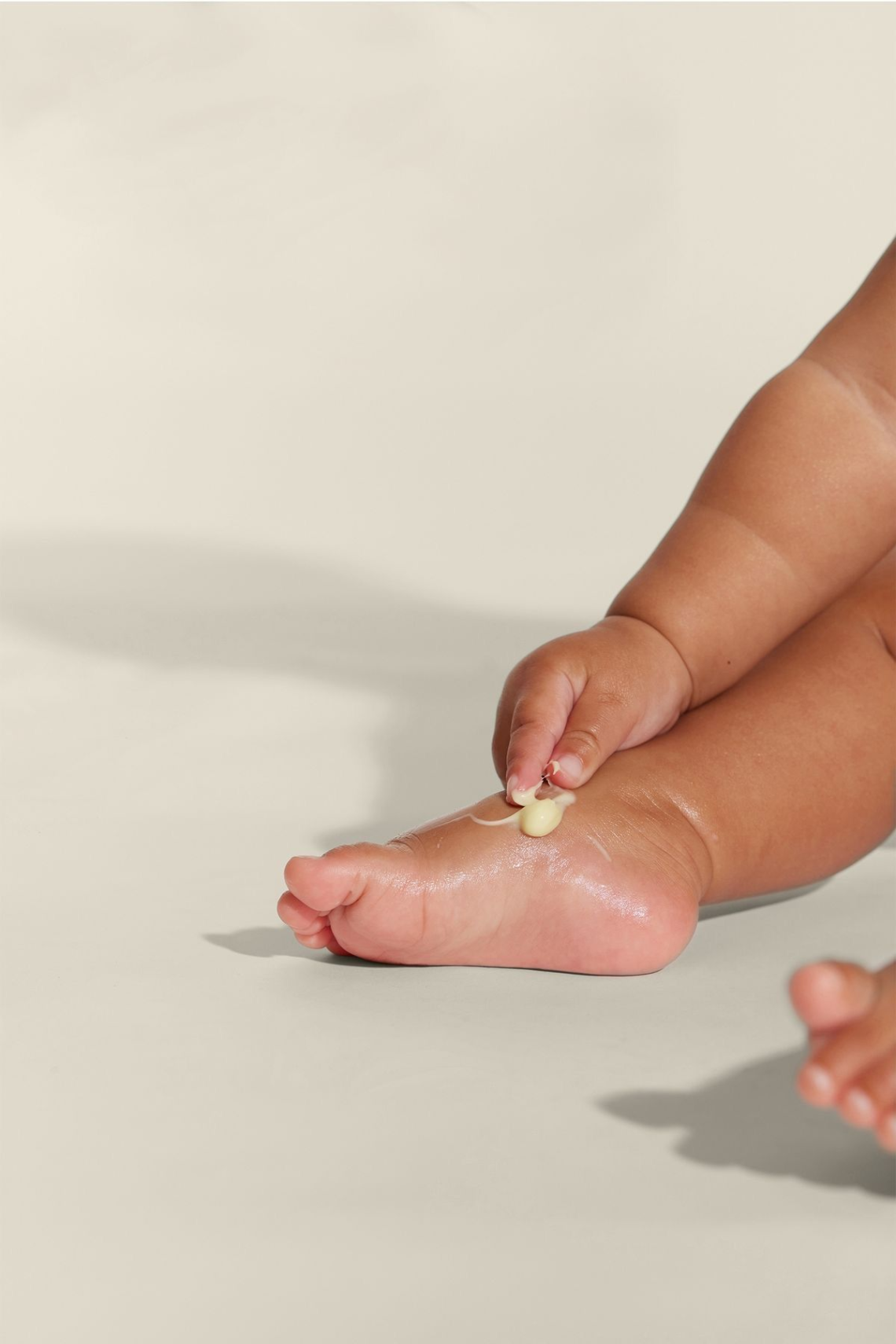
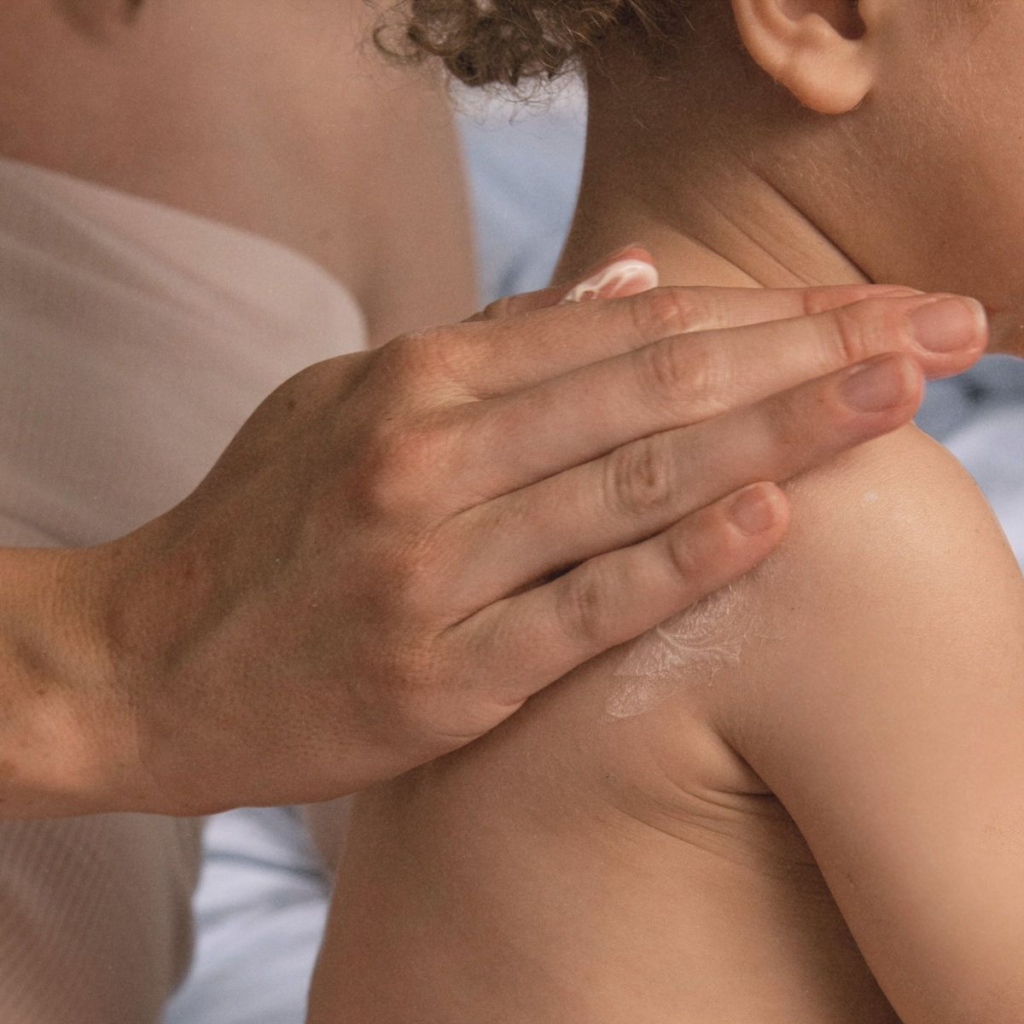
Apply a mild, fragrance-free moisturizer after bathing while the skin is still damp. This helps:
- Lock in hydration
- Strengthen the skin barrier
- Reduce itchiness
Good options: Aquaphor Baby Healing Ointment, Aveeno Baby Daily Moisture Lotion, or Cetaphil Baby Moisturizer. IMO, keeping one of these handy everywhere is a life saver.
Diaper Area Care
Keep it simple:
- Frequent diaper changes
- Gentle wiping with water or soft cloth
- Thin layer of zinc oxide cream to protect from moisture
Bonus: Let the baby have some diaper-free time. The skin needs to breathe.
Dress Smart
Avoid rough fabrics. Opt for cotton and breathable layers. Avoid tight clothing that rubs or traps sweat.
Monitor New Products
Always patch test new lotions, detergents, or wipes. Baby’s skin may react differently than yours.
Special Care for Eczema-Prone Skin
If a baby has eczema, extra attention is key.
- Moisturize 2–3 times daily with ointments or thick creams
- Keep baths short and lukewarm
- Avoid fragrances and harsh ingredients
- Use soft, breathable clothing
Consistency matters more than fancy products. Baby skin needs routine, not experimentation.
When to See a Pediatrician
Most rashes are harmless and temporary. But consult a pediatrician if:
- Rash spreads quickly or is very red
- Baby seems uncomfortable or in pain
- There’s pus, oozing, or unusual swelling
- You suspect allergies or eczema flare-ups
Early guidance can prevent minor rashes from becoming bigger issues.
My Take on Baby Skin Care
Even without a baby myself, I’ve learned that simple routines, gentle care, and consistency go a long way.
Imagine: short lukewarm baths, fragrance-free cleansers, a gentle moisturizer after every bath, and careful monitoring of clothing and products. That’s it. Nothing fancy. Less stress for parents, happier and healthier skin for babies.
Quick Recap
Daily Skin Care for Babies:
- Gentle cleansing, lukewarm water
- Moisturize after every bath
- Frequent diaper changes + zinc oxide for protection
- Breathable, soft clothing
- Monitor new products carefully
Extra Tips:
- Winter: Humidifiers and extra moisturizer
- Summer: Short baths, light clothing, sun protection
- Eczema-prone: Stick to thick creams, avoid irritants, consistent care
Final Thoughts
Baby skin is delicate, amazing, and sometimes unpredictable. Rashes and dryness are usually normal, but understanding why they happen gives parents and anyone curious a better perspective.
With simple routines, gentle products, and awareness of triggers like weather or allergens, baby skin can stay healthy, soft, and happy.
And remember, even a little rash isn’t a disaster. It’s just the skin learning the world. Treat it gently, protect it wisely, and enjoy those tiny soft cheeks 🙂