Most people think a chemical peel simply “removes dead skin.” That explanation sounds neat, but it barely scratches the surface.
A chemical peel actually forces your skin into a controlled injury response. Yes, injury. That sounds dramatic, but dermatologists use this reaction intentionally because the skin responds by repairing itself faster, producing fresh cells, and reorganizing collagen.
In other words, the peel convinces your skin that something serious just happened, and your body rushes in to fix it.
Before we proceed please follow us on pinterest. It means so much to us!
That repair process creates the smoother texture, brighter tone, and refined pores people rave about. Ever wondered why skin looks almost suspiciously polished after a good peel? That regeneration process explains it.
But what exactly unfolds on your skin during a chemical peel? What happens minute by minute, day by day, and layer by layer?
Let’s break it down step by step so the whole process actually makes sense.

What a Chemical Peel Actually Is
Before discussing what happens during a chemical peel, we should clarify what it really is.
A chemical peel uses acids to remove layers of damaged skin cells. Dermatologists or skincare professionals apply a controlled acid solution to the face or body. That solution breaks down bonds between old skin cells.
Once those bonds weaken, the upper skin layers shed and reveal fresher skin underneath.
Common acids used in chemical peels
You will usually see these ingredients:
• Glycolic acid – a strong exfoliating alpha hydroxy acid
• Lactic acid – a gentler brightening acid
• Salicylic acid – excellent for oily and acne prone skin
• Trichloroacetic acid (TCA) – used in medium strength peels
• Phenol – used in very deep professional peels
Each acid penetrates the skin differently. That difference determines how deeply the peel works.
And that brings us to an important point.
The Three Types of Chemical Peels
Not every peel behaves the same way. Dermatologists divide peels into three main categories.
Superficial peels
These peels target the outermost skin layer called the epidermis.
They use mild acids like:
• Glycolic acid
• Lactic acid
• Mandelic acid
A superficial peel improves:
• Dull skin
• Mild hyperpigmentation
• Slight texture issues
Recovery usually takes 1 to 3 days.
Medium depth peels
These peels penetrate deeper into the skin.
Dermatologists often use TCA peels for this category.
They help treat:
• Deeper pigmentation
• Acne scars
• Fine lines
Recovery usually takes about a week.
Deep peels
Deep peels penetrate into the dermis, the deeper structural layer of skin.
These peels treat:
• Severe sun damage
• Deep wrinkles
• Significant scarring
Doctors usually perform these peels in clinical settings because recovery becomes intense.
You see where this goes, right? The deeper the peel, the more dramatic the results and the longer the recovery.
What Happens the Moment the Peel Touches Your Skin
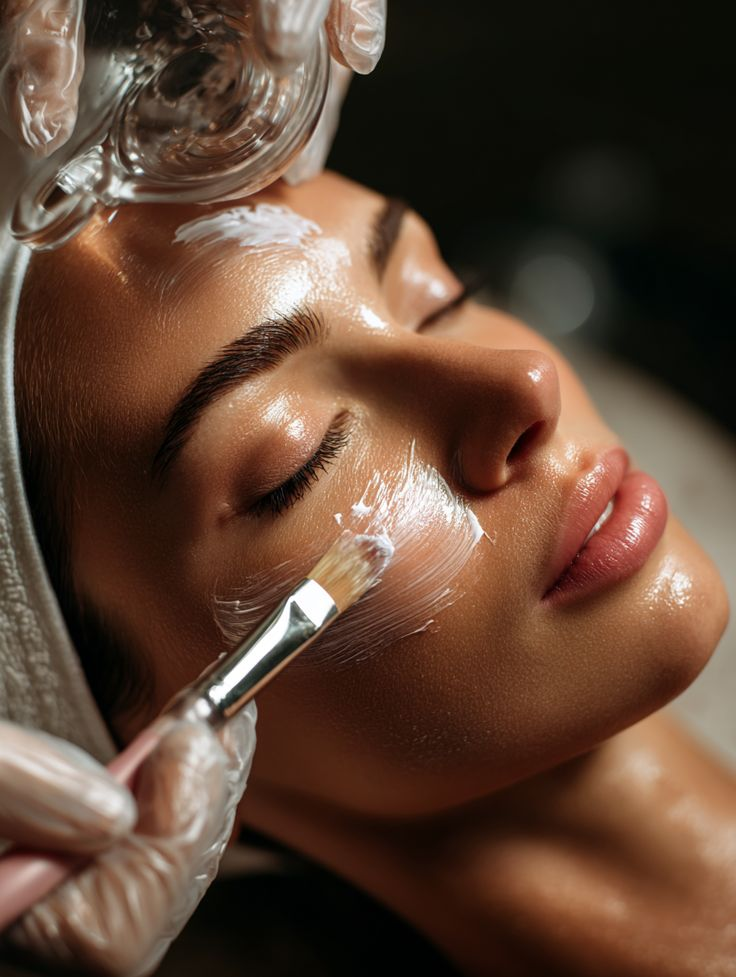
The first few minutes of a chemical peel feel surprisingly active.
Once the practitioner applies the solution, the acids begin breaking down the proteins that hold skin cells together.
That process starts exfoliation almost immediately.
What you usually feel
People commonly notice:
• Tingling
• Warmth
• Mild burning sensation
Those sensations mean the acid actively interacts with your skin cells.
Ever wondered why estheticians watch your skin so closely during a peel? They monitor the skin’s reaction carefully to prevent excessive irritation.
Some peels also cause “frosting,” which looks like a pale white layer on the skin. That frosting appears when proteins in the skin coagulate.
Sounds intense, right? It actually shows that the peel works properly.
What Happens Inside Your Skin Cells
The science behind chemical peels becomes fascinating once you understand the cellular changes.
Exfoliation begins
The acids dissolve desmosomes, which act like tiny glue structures holding skin cells together.
Once those bonds weaken, old cells detach and loosen.
Your skin then begins preparing to shed them.
Cell turnover accelerates
Your body senses irritation and activates repair mechanisms.
This response triggers:
• Faster cell regeneration
• Increased skin turnover
• New epidermal cell production
The process pushes fresh skin cells upward.
Collagen production increases
Deeper peels stimulate fibroblasts, which produce collagen and elastin.
Collagen provides structure to the skin. More collagen usually means:
• firmer skin
• smoother texture
• reduced wrinkles
Your body basically enters repair mode.
What Happens in the Hours After a Chemical Peel
Your skin continues reacting long after the peel ends.
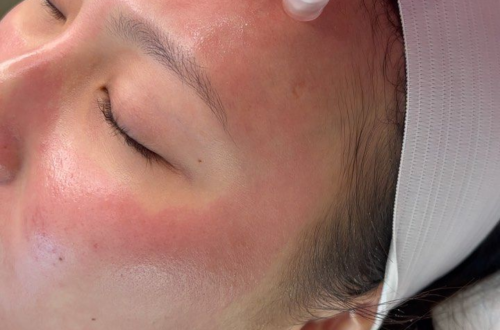
During the first several hours, you might notice:
• redness
• tightness
• mild swelling
This reaction occurs because the skin barrier temporarily weakens.
Your skin also loses moisture more easily during this phase. That explains why dermatologists emphasize hydration and gentle skincare after peels.
FYI, this sensitivity remains normal. Your skin simply starts rebuilding itself.
The Peeling Phase: What Your Skin Actually Does
Here comes the part everyone expects.
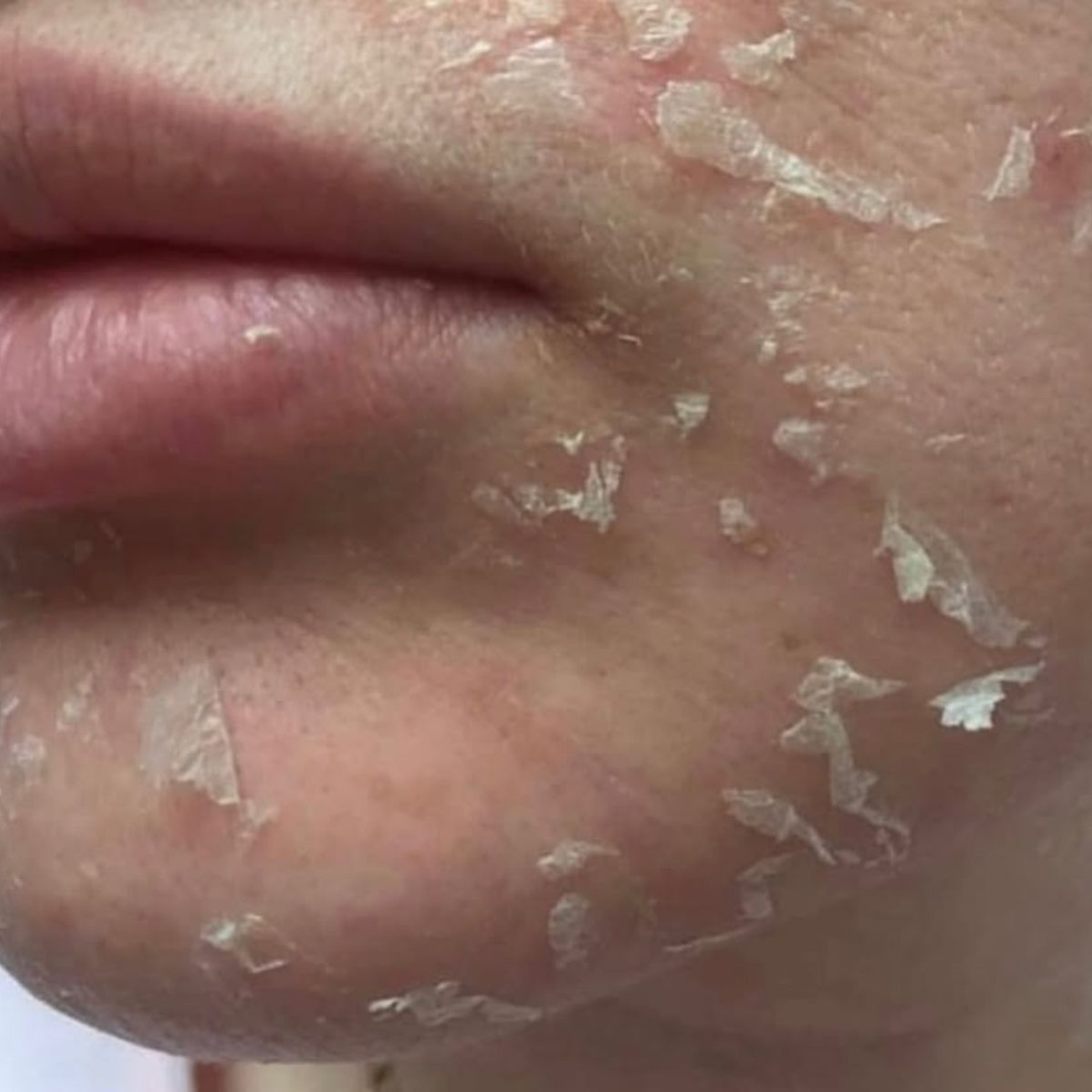
A few days after the treatment, your skin begins shedding visibly.
The peeling stage usually unfolds like this:
Day 1
Skin feels tight and slightly red.
Day 2 to 3
Peeling begins around the mouth and nose.
Day 3 to 5
Larger areas of skin flake and shed.
This shedding reveals newer, smoother skin underneath.
Some people panic when they see visible peeling. They imagine something disastrous happening.
Relax. That shedding represents the entire purpose of the treatment.
Your skin simply removes damaged layers.
Why Chemical Peels Improve Skin Texture
Chemical peels improve texture because they eliminate irregular cell buildup.
Old skin cells often accumulate unevenly on the surface. That buildup creates rough texture and dullness.
Once a peel removes those layers, new cells appear more uniform and smoother.
Skin suddenly feels softer and looks more polished.
Ever noticed how skin reflects light differently after a peel? Fresh skin reflects light better, which creates that radiant appearance.
How Chemical Peels Help With Hyperpigmentation
Hyperpigmentation happens when certain skin areas produce excess melanin.
Chemical peels help by removing pigmented surface cells.
The process gradually fades:
• sun spots
• melasma
• post inflammatory hyperpigmentation
However, darker skin tones must approach peels carefully.
Aggressive peels can sometimes trigger more pigmentation instead of less. That possibility makes professional guidance extremely important.
Using harsh peels without proper expertise would be absurdly risky.
What Chemical Peels Do for Acne
Chemical peels help acne in multiple ways.
They unclog pores
Salicylic acid dissolves oil and debris trapped inside pores.
Clear pores reduce future breakouts.
They reduce bacteria
Acids create an environment where acne causing bacteria struggle to survive.
They regulate oil production
Some peels slow excessive oil secretion.
This combination explains why dermatologists often recommend chemical peels for persistent acne.
IMO, salicylic peels remain one of the most underrated acne treatments.
The Healing Process After a Chemical Peel
Your skin continues healing for weeks after the visible peeling ends.
During this stage:
• collagen production increases
• new skin cells mature
• pigmentation gradually evens out
This healing stage determines your final results.
Important aftercare steps
Follow these carefully:
• Use gentle cleansers
• Apply hydrating moisturizers
• Wear broad spectrum sunscreen daily
Skipping sunscreen after a peel creates a perilous mistake.
Fresh skin becomes extremely vulnerable to UV damage.
When Chemical Peels Can Go Wrong
Chemical peels usually work safely when professionals perform them properly.
However, problems occur when people ignore important precautions.
Potential risks include
• excessive irritation
• infection
• post inflammatory hyperpigmentation
• scarring
These risks increase when someone uses high strength peels without guidance.
Strong acids can cause serious damage if used incorrectly.
So yes, DIY experiments with aggressive peels deserve serious caution.
Who Benefits Most From Chemical Peels
Chemical peels can transform many skin concerns.
They work especially well for people who struggle with:
• dull skin
• uneven tone
• mild scarring
• acne
• sun damage
However, not everyone should rush into a peel.
People with extremely sensitive skin or certain medical conditions should consult a dermatologist first.
Final Thoughts
Chemical peels do far more than remove dead skin.
They trigger a carefully controlled renewal process inside your skin. The acids break down old cells, accelerate turnover, and stimulate collagen production.
That chain reaction leads to:
• smoother skin
• brighter tone
• refined pores
• reduced pigmentation
The process might look dramatic when peeling begins, but your skin simply follows its natural repair instinct.
Use chemical peels thoughtfully, follow proper aftercare, and protect your skin from the sun.
Do that consistently and your skin will look healthier, clearer, and far more vibrant.
And honestly, watching your skin quietly rebuild itself after a peel feels pretty fascinating 🙂