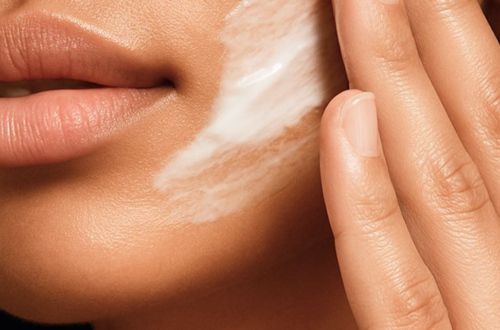
Ever notice how some people seem to have skin that just glows, like the light hits it differently? Chances are, glycolic acid is involved somewhere in their routine. You might have seen it on product labels or heard your skincare-obsessed friends rave about it, but what is it really? Why does it matter, and how can it make your skin look fresh, smooth, and even brighter? Let’s break it down.

What Glycolic Acid Actually Is
Glycolic acid is an alpha hydroxy acid (AHA), derived mostly from sugar cane. It’s one of the smallest AHA molecules, which is a fancy way of saying it penetrates the skin more easily than most other acids. This makes it especially effective for exfoliation and renewing your skin.
Think of glycolic acid as a gentle but persistent little worker: it loosens the “glue” holding dead skin cells together on the surface. Once those dead cells are gone, your skin looks smoother, fresher, and more radiant. That’s why glycolic acid is a staple in brightening, anti-aging, and acne routines.
How Glycolic Acid Works on Your Skin
To really appreciate glycolic acid, you need to understand what it does at a microscopic level.
Exfoliation
Dead skin cells can pile up and make your skin look dull or uneven. Glycolic acid dissolves the bonds between dead skin cells, allowing them to shed naturally. This isn’t just about looking good — it also helps your skincare products penetrate better. Serums, moisturizers, and treatments actually work because the top layer isn’t blocking them.
Boosts Collagen Production
Collagen is the protein that keeps skin plump and firm. Studies show that regular glycolic acid use stimulates collagen synthesis, helping reduce fine lines and sagging over time. It’s like a workout for your skin cells.
Brightening
By exfoliating and removing dull, dead cells, glycolic acid reveals brighter, more even-toned skin underneath. Over time, it can help fade hyperpigmentation, dark spots, and acne scars, giving your skin that luminous, healthy glow.
Benefits of Glycolic Acid
Here’s why glycolic acid deserves a spot in your routine:
- Smooth Texture – Goodbye rough patches, hello baby-soft skin.
- Even Tone – Reduces pigmentation and dullness.
- Acne Control – Helps prevent clogged pores that lead to breakouts.
- Anti-Aging – Stimulates collagen and improves elasticity.
- Better Product Absorption – Your serums and creams actually work now.
Glycolic Acid vs Other Exfoliants
You might be wondering how glycolic acid compares to physical scrubs or other chemical exfoliants. Here’s the breakdown:
| Exfoliant Type | How It Works | Pros | Cons |
|---|---|---|---|
| Glycolic Acid (AHA) | Dissolves dead skin cell bonds | Gentle, penetrates deep, brightens | Can increase sun sensitivity |
| Salicylic Acid (BHA) | Oil-soluble, penetrates pores | Great for acne-prone skin | Not as effective on surface dullness |
| Physical Scrubs | Manually slough off dead skin | Immediate smoothness | Can tear or irritate skin if used too hard |
The takeaway: Glycolic acid is gentle yet potent, making it superior for most skin types when used correctly.
Best Concentrations for Different Skin Goals
Not all glycolic acid products are created equal. Concentration and pH matter for safety and results.
- Low concentration (2-5%): Great for daily toners or cleansers; gentle for beginners.
- Moderate concentration (5-10%): Effective for home exfoliation, brightening, and smoother texture.
- High concentration (20-30%+): Usually professional peels; very effective but should be done with care or under guidance.
Pro tip: Start low, build tolerance, and always wear sunscreen during the day. Glycolic acid increases sun sensitivity, and skipping SPF can undo all your hard work.
How to Use Glycolic Acid Safely
If you’re new to glycolic acid, it’s tempting to go all in. Resist that urge. Too much can irritate your skin and cause redness or peeling.
Step-By-Step Routine
- Cleanse – Start with a gentle cleanser to remove dirt and oil.
- Apply Glycolic Acid – Use a toner, serum, or exfoliating pad with the recommended concentration.
- Hydrate – Apply a soothing moisturizer to protect your skin barrier.
- Sunscreen – Never skip SPF. Your skin is more vulnerable to UV damage after acid exfoliation.
Frequency: Start with 2-3 times per week, then adjust as your skin tolerates.
Common Misconceptions About Glycolic Acid
- “It will burn my skin.” Glycolic acid works best gradually. A little tingling is normal, but sharp pain is not.
- “It’s only for older skin.” Nope. Glycolic acid is useful for teens with acne, adults with pigmentation, and everyone in between.
- “All acids are the same.” Different acids have different functions. AHAs like glycolic target surface cells; BHAs like salicylic target pores.
Ideal Products Containing Glycolic Acid
Here are some tried-and-true glycolic acid options:
- Pixi Glow Tonic (5%) – Gentle, daily-use toner for brightening.
- The Ordinary Glycolic Acid 7% Toning Solution – Affordable, effective, and widely loved.
- Drunk Elephant T.L.C. Framboos Glycolic Night Serum (12%) – Higher concentration for exfoliation and texture refinement.
Always patch test before committing, and introduce one new product at a time to track how your skin reacts.
Pairing Glycolic Acid With Other Ingredients
Glycolic acid can play nicely with some ingredients but needs caution with others:
- Works Well With: Hyaluronic acid, niacinamide, peptides – they hydrate and strengthen barrier.
- Use With Care: Retinol, other strong acids – can increase irritation if combined aggressively.
- Avoid Mixing: Vitamin C in the same routine at high concentrations – can destabilize pH or cause sensitivity for beginners.
Benefits Beyond the Face
Yes, glycolic acid isn’t just for your face. It can also:
- Smooth rough elbows, knees, and hands
- Help fade stretch marks or discoloration
- Improve texture on back acne or chest breakouts
It’s a multi-tasker you don’t want to ignore.
When to See a Professional
If you’re aiming for dramatic results, like deep pigmentation reduction, professional glycolic peels can be life-changing. Dermatologists or licensed aestheticians can safely use 20-70% concentrations for faster results, something home products simply can’t match.
Tips to Maximize Results
- Consistency over intensity – 5% daily works better than 20% once.
- Hydration is key – Exfoliated skin can feel tight; moisturize well.
- Don’t skip sunscreen – It protects your new, fresh skin.
- Listen to your skin – Redness, burning, or peeling are signals to reduce frequency.
The Bottom Line
Glycolic acid is one of the most versatile and effective skincare ingredients available. It gently removes dead skin, reveals brighter layers, fades pigmentation, and stimulates collagen. Whether you’re dealing with dullness, fine lines, or post-acne scars, glycolic acid can be a game-changer, but patience and proper use are key.
Start slow, choose products wisely, and layer with hydration and sun protection. Over time, your skin will look brighter & it will feel stronger, smoother, and more radiant.