Let’s get real for a second, sebum often gets a bad rep. If you’ve got oily skin or you’re prone to breakouts, you probably look at that shiny T‑zone and think, “Why me?” But here’s the thing: sebum isn’t your skin’s enemy. In fact, it’s doing a lot of heavy lifting for you behind the scenes. I’ve spent years figuring out how this mysterious oil works, and trust me, understanding it changes how you treat your skin entirely.
So, buckle up. We’re going deep into what sebum actually does, why it’s essential, and why, despite its best intentions, it sometimes sparks those pesky breakouts.
What Sebum Really Is
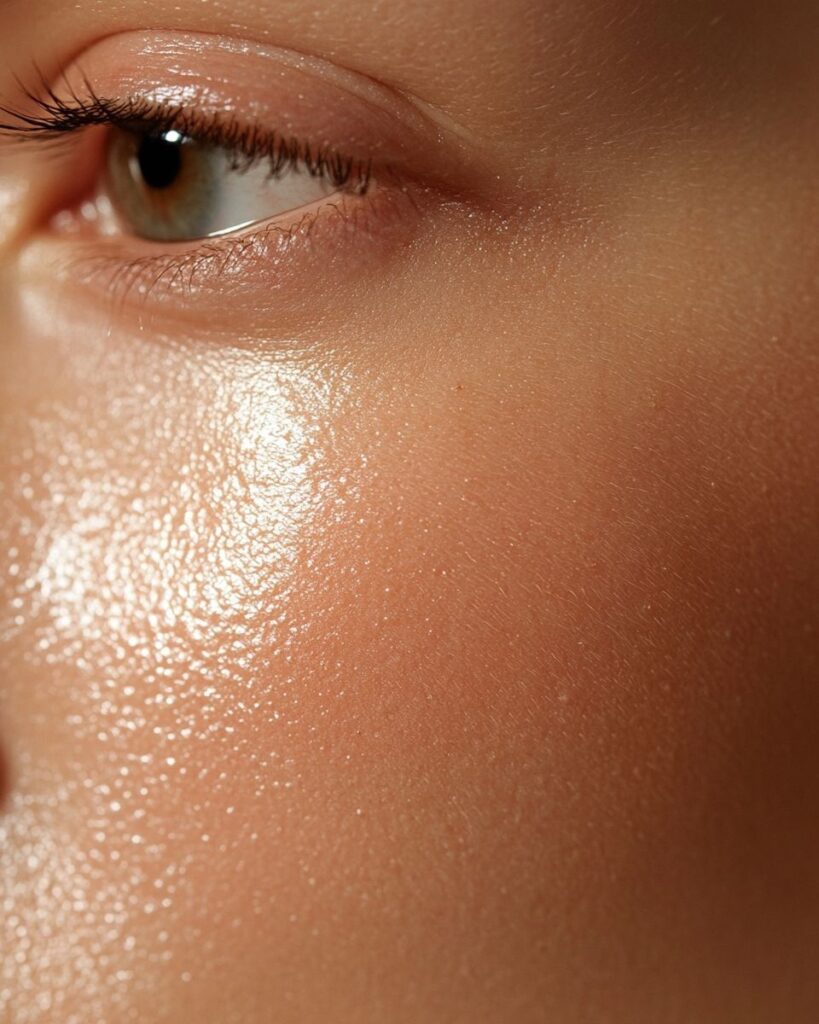
First things first, sebum is a natural oil produced by your skin’s sebaceous glands. Think of it as your skin’s own moisturizer factory. It’s a mix of fatty acids, waxes, and other lipids designed to protect, hydrate, and maintain your skin’s barrier.
Key Functions of Sebum
- Hydration: Sebum prevents your skin from drying out, locking in moisture so your skin doesn’t feel like the Sahara.
- Protection: It forms a thin protective layer that shields your skin from environmental stressors like pollution, UV rays, and bacteria.
- Antibacterial properties: Sebum can actually fight off certain bacteria that try to invade your skin. Who knew oil could be a bodyguard?
- Barrier support: Alongside your natural skin cells and sweat, sebum helps maintain the acid mantle, which keeps your skin slightly acidic, a perfect setup to keep unwanted visitors at bay.
So yes, that greasy layer you sometimes hate? It’s actually working hard to keep your skin safe and soft.
Why Sebum Levels Fluctuate
Ever notice that some days your face looks like a glazed donut and other days it’s perfectly matte? That’s sebum at work. Its production isn’t random; it’s influenced by several factors:
- Hormones: Androgens, particularly testosterone, boost sebum production. That’s why teenagers have infamous breakout seasons.
- Diet: High-glycemic foods, excessive dairy, and processed sugars can increase oil production in some people.
- Stress: Yep, stress doesn’t just mess with your mood; it tells your sebaceous glands to crank up the oil.
- Climate: Hot, humid weather naturally triggers more sebum, while cold, dry climates can reduce it.
- Genetics: If your parents had oily skin, chances are you do too. No escaping the family trait here.
Understanding why sebum fluctuates can help you predict and manage oiliness better.

Sebum vs. Breakouts: The Real Deal
Here’s where things get messy. People assume sebum = acne, but it’s more complicated. Breakouts happen when excess sebum mixes with dead skin cells and clogs pores, creating an ideal environment for acne-causing bacteria to thrive.
Why Your Skin Breaks Out Even If You’re Producing Sebum Normally
- Dead Skin Cell Buildup: Your skin naturally sheds cells, but if they stick around, they can combine with sebum and clog pores.
- Bacteria Overload: Cutibacterium acnes love to feast on trapped oil and cells, which can trigger inflammation.
- Product Misuse: Heavy creams or oily products can interact with your sebum, creating congestion and breakouts.
- Hormonal Spikes: Even a normal amount of sebum can lead to breakouts if your hormones suddenly spike.
- Overwashing: Ironically, stripping your skin too often triggers your glands to produce even more sebum to compensate.
So, while sebum is essential, its context matters. It’s not the villain, it’s more like a misunderstood sidekick.
How Sebum Helps Your Skin Glow
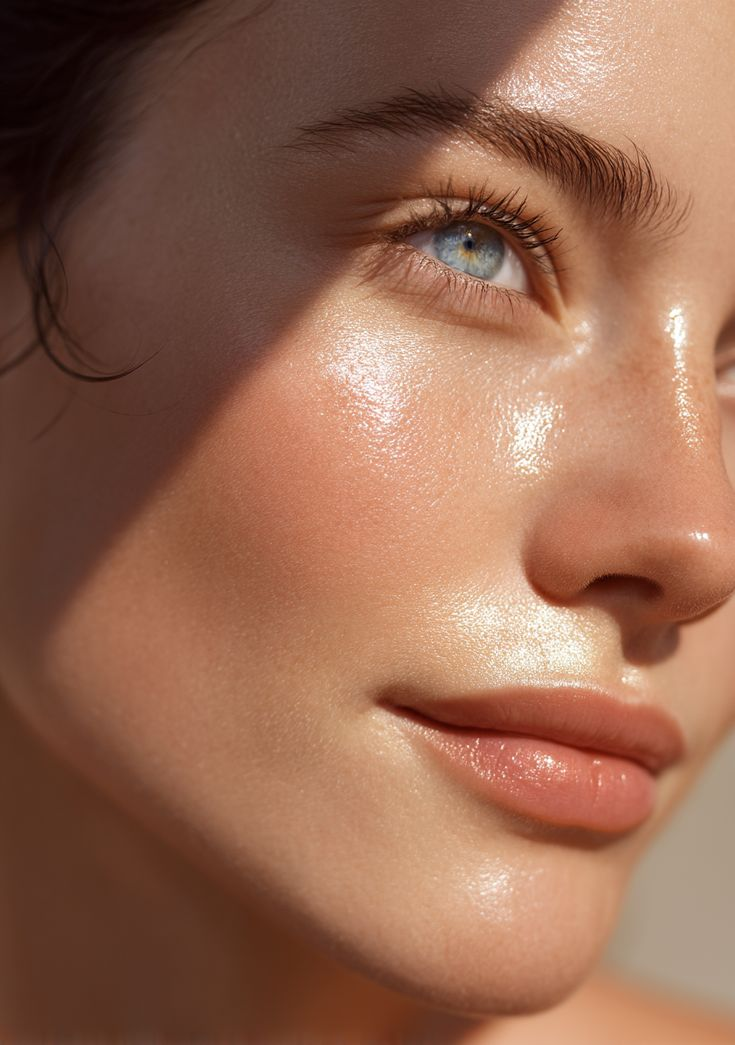
Before you swear off oil forever, let me remind you: sebum is your natural highlighter.
- It adds a healthy shine, keeping your skin from looking dull.
- Sebum carries antioxidants and vitamins that nourish your skin’s surface.
- It acts as a natural moisturizer, reducing fine lines and helping products absorb better.
Honestly, some of the best-looking skin I’ve seen is in people who embrace their sebum and work with it rather than against it.
Managing Sebum Without Stripping Your Skin

Here’s the million-dollar question: how do you keep your skin balanced without overproducing or feeling greasy?
1. Gentle Cleansing
Forget harsh scrubs that leave your skin screaming. Use a mild cleanser twice a day to remove excess oil without damaging your barrier. Look for ingredients like:
- Salicylic acid for gentle exfoliation.
- Ceramides to support barrier repair.
- Non-comedogenic oils like squalane.
2. Moisturize, Don’t Avoid
It’s counterintuitive, but oily skin still needs hydration. Lightweight gel moisturizers help balance sebum production. When your skin is happy, it stops overcompensating.
3. Exfoliation
Sloughing off dead skin cells prevents pores from clogging. But moderation is key: chemical exfoliants (AHAs, BHAs) are often better than abrasive scrubs, which can trigger inflammation and more oil.
4. Targeted Treatments
If hormonal breakouts are your nemesis, consider:
- Topical retinoids: Regulate cell turnover.
- Niacinamide: Helps control oil and reduces redness.
- Zinc supplements: Some people notice reduced oil and inflammation.
The Sebum-Skincare Relationship
Ever wonder why some products just don’t work? Your sebum plays a role. A healthy layer can help your products absorb, while an overproducing layer can create a barrier that blocks actives from penetrating.
- Tip: Apply serums and treatments on slightly damp, clean skin to improve absorption.
- FYI: Overwashing or harsh astringents can backfire, leaving you oilier than before.
When Sebum Goes Rogue: The Problem Areas
Sebum isn’t evenly distributed. Most of us notice it:
- T-zone (forehead, nose, chin): Greasiest spot for most people.
- Back and chest: Can contribute to body acne, especially in sweaty climates.
- Scalp: Excess oil can lead to greasy hair or scalp buildup.
Understanding where your oil comes from helps you target treatments without stripping the entire skin surface.
Common Myths About Sebum
Let’s bust some common misconceptions:
- Oily skin doesn’t need moisturizer – wrong! Hydration regulates sebum.
- Scrubbing oil away prevents acne – false. Over-exfoliating triggers more sebum.
- Only teenagers have sebum issues – nope, adult hormones keep it alive and kicking.
- Seabum is dirty – actually, it’s protective. Dirt comes from the environment, not your natural oils.
Knowing the truth changes how you approach skincare.
Embracing Your Sebum
Here’s the secret: balance is everything.
- Accept that some shine is healthy.
- Work with your skin’s rhythm instead of against it.
- Choose lightweight, non-comedogenic products that complement sebum rather than fight it.
Your skin isn’t your enemy it’s just misunderstood. When you respect its natural oils, breakouts become more manageable, hydration improves, and your skin actually glows.
Quick Tips for Sebum Management
- Cleanse gently twice daily.
- Moisturize regardless of oiliness.
- Exfoliate 1–3 times per week depending on skin tolerance.
- Use products that balance oil production, not strip it.
- Don’t panic about shine, it’s your skin doing its job.
Wrapping It Up
Sebum is a natural multitasker, hydrating, protecting, and supporting your skin’s barrier. Breakouts? They’re not caused by sebum alone but by a mix of trapped oil, dead skin cells, and bacteria.
By understanding how sebum works, you can embrace the glow, manage excess oil, and prevent unnecessary breakouts. Treat your skin with respect, choose your products wisely, and stop demonizing your natural oils, they’re working for you, not against you.
So next time your T-zone glistens in the light, instead of cursing it, give a nod to your skin’s little helper. With the right routine, you’ll harness your sebum for healthy, radiant, and balanced skin.