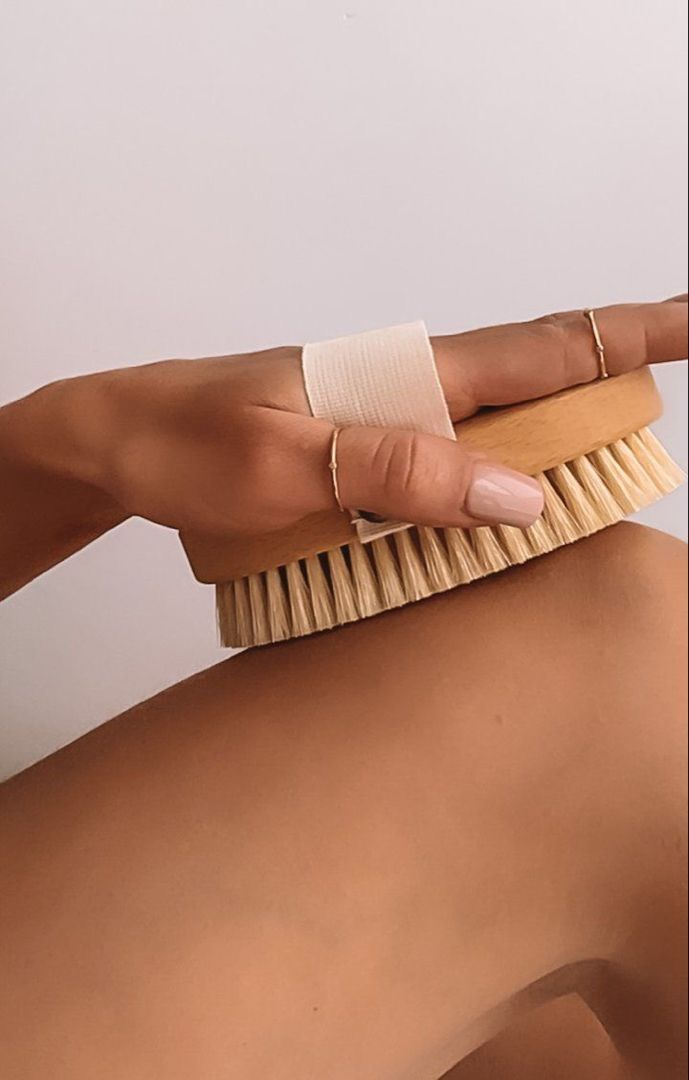
Dry brushing had a serious moment online. Suddenly everyone stood in their bathroom, brush in hand, promising lymphatic drainage, glowing skin, and a better life by morning. I tried it too. I wanted the glow. I wanted the wellness fantasy. What I did not want was irritated, tight, unhappy skin.
If you have dry skin and you keep wondering why dry brushing feels more stressful than soothing, you are not imagining things. Let’s talk honestly about what dry brushing does, what it does not do, and why it may not love dry skin the way social media says it should.
Why Dry Brushing Became So Popular Online
Dry brushing looks simple. You take a brush, move it across your skin, and suddenly you feel productive before breakfast. Wellness routines love things that feel ancient, ritualistic, and slightly intense.
People promote dry brushing because it promises a lot with very little effort. No products. No complicated routine. Just vibes and a wooden brush.
The internet credits dry brushing with:
- Detoxing the body
- Boosting circulation
- Supporting lymphatic drainage
- Reducing cellulite appearance
- Energizing the nervous system
Sounds impressive. But does all of this actually translate to better skin, especially dry skin?
The Non Skin Benefits People Actually Feel
Let’s be fair. Dry brushing does offer benefits, just not always the ones people expect.
It Can Feel Energizing
Dry brushing stimulates nerve endings. That stimulation can wake you up fast. If you struggle with morning grogginess, this part makes sense.
I noticed this immediately. My body felt alert. My skin felt awake. My mind said okay, we are doing things today.
It Encourages Body Awareness
Dry brushing forces you to slow down and pay attention to your body. That alone helps some people feel more connected and present.
This benefit matters, especially if self care routines feel rushed or disconnected.
It May Support Lymphatic Movement
Gentle movement toward lymph nodes can support lymph flow. However, movement does not require a harsh brush.
Walking, stretching, and massage already support this system naturally. Dry brushing does not own this benefit.
Where Dry Brushing Falls Short for Skin Appearance
Here is where the conversation gets honest.
Dry Brushing Does Very Little for Real Exfoliation
Dry brushing removes some surface flakes. That is it.
It does not:
- Deeply exfoliate
- Smooth uneven texture
- Improve tone long term
- Replace proper exfoliation methods
Dry skin often struggles with slow cell turnover. Dry brushing does not correct that issue. It only moves loose flakes around.
If your skin looks dull after dry brushing, this explains why.
It Does Not Hydrate or Repair Anything
Dry skin needs moisture and barrier support. Dry brushing adds friction without replenishment.
After brushing, your skin loses even more moisture unless you immediately moisturize. Many people skip this step or rush it.
Over time, this habit can worsen dryness instead of improving it.
Why Dry Brushing Can Be Too Harsh for Dry Skin
Dry skin already lacks natural oils. Adding repeated friction can push it into irritation territory quickly.
Repeated Brushing Weakens the Skin Barrier
Your skin barrier protects against water loss and irritation. Dry brushing scrapes across this barrier.
When you brush too hard or too often:
- Moisture escapes faster
- Sensitivity increases
- Redness becomes common
- Tightness lingers longer
Dry skin needs protection, not constant stimulation.
Pressure Makes a Huge Difference
Most people brush too hard.
Hard brushing creates micro irritation. You may not see it immediately, but your skin remembers.
If brushing leaves your skin red for hours, your skin did not enjoy that session.
Why Results Vary So Much Between People
This matters a lot. Dry brushing works differently for everyone.
Skin Type Changes Everything
Oily skin often tolerates friction better. Dry skin reacts faster and recovers slower.
What works for one person may feel damaging for another. Social media rarely shows this nuance.
Climate and Lifestyle Matter
Dry climates already pull moisture from the skin. Dry brushing in these environments adds stress.
Hot showers, harsh soaps, and low humidity make dry brushing even harsher.
Technique and Frequency Change Outcomes
Some people brush gently once a week. Others brush daily with pressure.
The results differ because the routine differs. No universal rule exists here.
Common Mistakes People With Dry Skin Make
Dry brushing becomes problematic when these habits sneak in.
- Brushing daily without rest days
- Using stiff brushes meant for thicker skin
- Skipping moisturizer afterward
- Brushing broken or irritated skin
- Expecting glow instead of dryness
I made a few of these mistakes myself. My skin did not hesitate to complain.
Does Dry Brushing Help Cellulite or Texture
This question comes up constantly.
Dry brushing may temporarily improve the appearance of cellulite by increasing blood flow. The effect fades quickly.
It does not change fat structure. It does not remodel skin. It does not fix texture long term.
If you enjoy the ritual, fine. If you expect visible transformation, manage expectations.
Better Alternatives for Dry Skin That Wants Smoothness
Dry skin thrives with gentler methods.
Gentle Chemical Exfoliation
Mild acids work more predictably for dry skin.
Look for:
- Lactic acid
- PHAs
- Low strength exfoliating toners
These exfoliate evenly without friction.
Soft Washcloth Exfoliation
A damp washcloth used gently once a week works better than a dry brush for many people.
This method:
- Adds minimal friction
- Works with water
- Reduces irritation risk
Focus on Barrier Repair First
Dry skin improves when the barrier stays strong.
Prioritize:
- Humectants like glycerin
- Occlusives like oils or balms
- Consistent moisturizing routines
Exfoliation comes second, not first.
Can Dry Brushing Ever Work for Dry Skin
Yes, sometimes. But conditions matter.
Dry brushing may work if:
- You brush gently
- You limit frequency to once a week or less
- You moisturize immediately after
- Your skin shows no irritation signs
Even then, results remain subtle.
IMO, dry brushing works better as a body awareness ritual than a skincare solution.
How to Tell If Dry Brushing Is Not for You
Your skin always tells the truth.
Watch for:
- Increased itching
- Lingering redness
- Flaky patches that worsen
- Tightness that lasts all day
- Burning when applying lotion
If you notice these signs, stop. No wellness trend deserves damaged skin.
The Social Media Effect on Skincare Choices
Trends move fast. Algorithms reward extremes.
Dry brushing looks dramatic. Gentle routines look boring. Guess which one spreads faster.
That does not mean dramatic routines work better. It means they film better.
Your skin lives in real life, not on your feed 🙂
Final Thoughts on Dry Brushing and Dry Skin
Dry brushing offers sensory and wellness benefits for some people. It does not guarantee better looking skin. For dry skin, it often creates more problems than solutions.
Dry skin needs:
- Moisture
- Protection
- Consistency
- Gentle care
If dry brushing fits into your routine without irritation, fine. If it leaves your skin tight and unhappy, let it go.
Skincare works best when it listens instead of forcing trends. Your skin deserves that respect.